
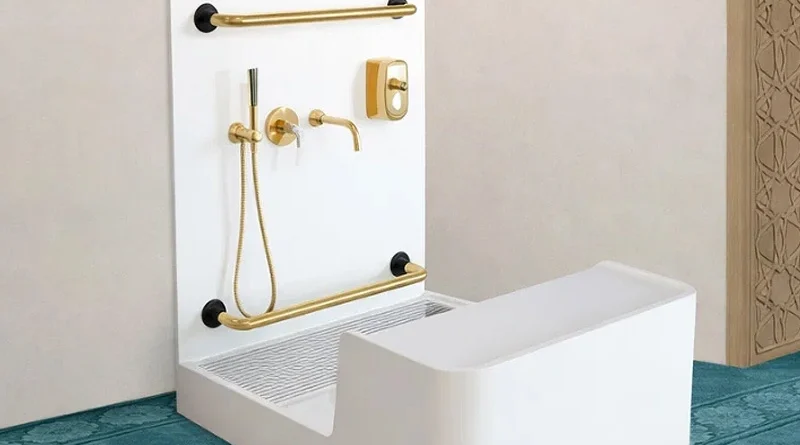
Wudu Basin Cleaning and Maintenance Tips for Better Hygiene
Keeping a wudu basin clean is essential for maintaining a hygienic and comfortable ablution area. Since the basin is used regularly for washing before prayer, it can accumulate water spots, mineral deposits, soap residue, and everyday dirt. Without proper cleaning and maintenance, these deposits may affect the basin’s appearance, contribute to unpleasant odors, and eventually interfere with drainage.
Whether you have a wudu basin in your home bathroom, a private prayer room, or a mosque, a consistent cleaning routine can help preserve its condition and support better hygiene. Using suitable cleaning products, maintaining the drainage system, and inspecting plumbing connections regularly can also extend the fixture’s service life.
Why Regular Wudu Basin Cleaning Matters
Regular cleaning helps keep the basin visually appealing and reduces the accumulation of dirt and residue on frequently touched surfaces. Faucets, handles, drains, and the surrounding countertop can also collect deposits and should be included in the cleaning routine.
In a household, cleaning the basin regularly helps maintain a pleasant bathroom environment. In mosques and other shared facilities, frequent cleaning is especially important because many people may use the same washing stations throughout the day.
A well-maintained Wudu Basin also makes it easier to identify small problems before they become more expensive to repair. Cracks, loose fittings, slow drainage, and leaking connections can often be addressed more easily when detected early.
Establish a Daily Cleaning Routine
A simple daily routine can prevent residue from building up and reduce the effort required for deeper cleaning.
Rinse the Basin After Use
Rinsing the basin with clean water helps remove loose dirt and residue left behind during washing. Pay attention to the corners and areas around the drain, where debris may collect.
Avoid leaving cleaning products or standing water on the surface longer than recommended by the manufacturer.
Wipe the Surface Dry
Use a soft cloth to wipe away excess water after cleaning. This can help reduce water spots and mineral deposits, particularly in areas with hard water.
Drying the faucet and surrounding surfaces also helps maintain a neat appearance. In shared facilities, staff can incorporate this step into scheduled cleaning rather than expecting every user to dry the basin.
Clean the Faucet and Handles
Faucets and handles are touched frequently and can accumulate fingerprints, mineral deposits, and residue. Clean them with a product suitable for the faucet’s finish.
Avoid abrasive pads or harsh chemicals that could scratch or discolor chrome, stainless steel, or other finishes.
Choose the Right Cleaning Products
The cleaning method should match the basin material. Using an unsuitable product can damage the finish, cause discoloration, or shorten the fixture’s service life.
Cleaning Ceramic and Porcelain Basins
Ceramic and porcelain basins generally have smooth, glazed surfaces that are straightforward to clean. A mild, nonabrasive bathroom cleaner and a soft cloth or sponge are usually suitable for routine maintenance.
Avoid abrasive powders and rough scouring pads that could damage the glaze. If mineral deposits develop, use a descaling product approved for the basin and follow its instructions carefully.
Cleaning Solid Surface Basins
Solid surface materials can vary in composition, so their cleaning requirements may differ. Use the manufacturer’s recommended cleaning products and avoid harsh solvents, aggressive chemicals, or abrasive tools unless specifically permitted.
Some solid surface products can be refinished to address minor scratches, but repair methods depend on the material and finish.
Cleaning Natural Stone Basins
Natural stone may require more specialized care. Certain stones, including marble, can be sensitive to acidic cleaners, while porous varieties may require periodic sealing.
Use a cleaner specifically approved for the stone type and avoid products that may damage its finish. Follow the manufacturer’s guidance for sealing, stain removal, and ongoing maintenance.
Remove Mineral Deposits and Water Stains Safely
Hard water can leave white or cloudy deposits around faucets, drains, and basin surfaces. These deposits can become more difficult to remove if they are allowed to accumulate.
Start by cleaning the affected area with a soft cloth and a product approved for the basin material. For stubborn deposits, follow the cleaner’s recommended application time and rinse the surface thoroughly.
Do not assume that vinegar or another acidic household cleaner is safe for every basin. Acidic products can damage natural stone and may affect certain metal finishes. Always check compatibility before applying a descaling treatment.
Regularly wiping away excess water can help prevent mineral deposits from becoming a recurring problem.
Keep the Drainage System Clean
A clean basin is not enough if the drain is blocked or produces unpleasant odors. Hair, debris, and other material can accumulate inside the drain and reduce water flow.
To maintain effective drainage:
- Remove visible debris from the drain opening regularly.
- Clean removable drain components according to the manufacturer’s instructions.
- Check whether water drains at its normal rate.
- Inspect accessible plumbing connections for leaks.
- Seek professional assistance if blockages persist or odors continue.
Avoid mixing chemical drain cleaners or using products that are incompatible with your plumbing materials. Persistent blockages may require a qualified plumber to inspect the trap or drainage pipe.
Prevent Water Accumulation Around the Basin
Water around the basin can make the surrounding area slippery and increase cleaning requirements. Effective drainage and proper installation are therefore important parts of basin maintenance.
After cleaning, wipe up standing water on nearby countertops and floors. Check that the faucet directs water into the basin rather than onto surrounding surfaces.
In shared ablution facilities, suitable floor drainage and slip-resistant flooring can improve safety. If water regularly pools around the basin, investigate whether the issue is caused by splashing, an incorrectly positioned faucet, poor floor drainage, or a plumbing problem.
Inspect the Basin for Damage
Routine inspection helps identify small issues before they lead to more serious problems.
Look for cracks, chips, scratches, damaged seals, loose mounting hardware, and signs of leakage. Pay particular attention to areas around the drain and faucet, where fittings and seals experience regular use.
Small surface marks may be cosmetic, but cracks or structural damage can allow water to reach surrounding materials. Follow the manufacturer’s repair recommendations and replace the fixture if it can no longer be used safely.
For wall-mounted basins, check that the fixture remains secure and that there are no signs of movement. Any loose mounting hardware should be assessed and repaired appropriately.
Create a Maintenance Schedule for Mosques
Mosques and other high-traffic facilities generally need a more structured cleaning schedule than private homes. The frequency should reflect the number of users, local water conditions, and the amount of daily use.
A practical schedule may include the following tasks:
| Frequency | Recommended Tasks |
|---|---|
| After busy periods | Remove visible residue and check for standing water |
| Daily | Clean basin surfaces, faucets, handles, and surrounding areas |
| Weekly | Inspect drain openings and remove accumulated deposits |
| Monthly | Check accessible fittings, seals, and drainage performance |
| As needed | Arrange repairs, deep cleaning, or professional plumbing service |
This schedule is a starting point rather than a universal requirement. Facilities with heavy usage or hard water may need more frequent cleaning.
Use appropriate cleaning products, follow workplace safety instructions, and ensure that staff understand how to care for the installed basin materials.
Common Wudu Basin Maintenance Mistakes to Avoid
Some cleaning practices can damage a basin even when the intention is to improve hygiene.
Using abrasive cleaning tools: Rough pads can scratch certain finishes and make surfaces harder to maintain.
Ignoring the manufacturer’s instructions: Different materials have different chemical and cleaning requirements.
Allowing mineral deposits to accumulate: Deposits may become harder to remove over time and can affect the basin’s appearance.
Overlooking small leaks: Persistent moisture can damage surrounding cabinets, walls, or flooring.
Using excessive chemical drain cleaners: Incompatible products can damage plumbing components or create safety hazards.
Neglecting the surrounding floor: Standing water can create a slipping hazard even when the basin itself is clean.
Avoiding these mistakes helps maintain the fixture’s appearance, functionality, and safety.
Additional Tips for Long-Term Hygiene
A few simple habits can make ongoing maintenance more effective.
Keep suitable cleaning supplies available near the maintenance area, but store chemicals securely and away from children. Use separate cleaning cloths for the basin and the surrounding floor to avoid transferring dirt between surfaces.
Ensure the room has adequate ventilation so moisture can dissipate after cleaning. In communal facilities, provide a clear process for reporting leaks, drainage problems, or damaged fixtures.
When replacing a basin, consider smooth surfaces, accessible plumbing, and designs that minimize difficult-to-clean gaps. These features can reduce the time required for routine maintenance.
Conclusion
Regular cleaning and preventive maintenance help keep a wudu basin hygienic, functional, and attractive. Daily rinsing, appropriate cleaning products, careful removal of mineral deposits, and periodic drainage inspections can prevent many common problems.
The most suitable cleaning method depends on the basin material, so always follow the manufacturer’s recommendations. In homes, a simple daily routine may be sufficient, while mosques often benefit from a structured cleaning schedule and regular inspections.
By maintaining the basin and its surrounding area consistently, you can support a cleaner, safer, and more comfortable environment for daily ablution.