
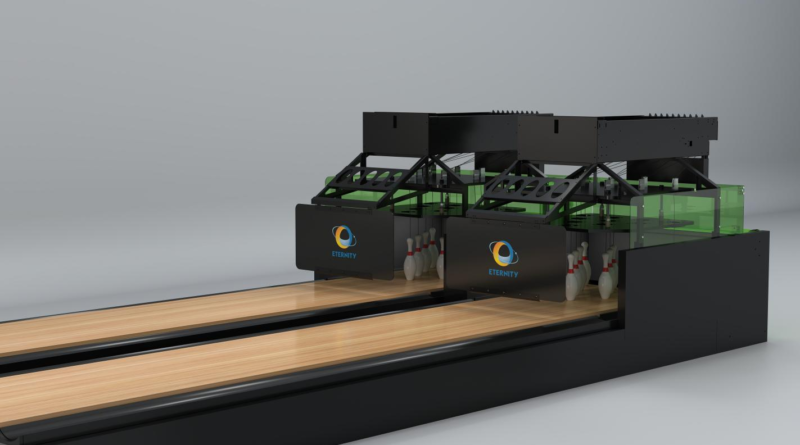
How to Evaluate Used Bowling Equipment Before Buying
Buying pre-owned bowling equipment can be a practical option for facilities looking to manage project costs while still obtaining essential lane, scoring, and mechanical systems. However, used equipment should be evaluated carefully to determine whether its condition, compatibility, and expected service life meet the requirements of the facility.
When researching Used Bowling Equipment, buyers should look beyond the purchase price. Mechanical condition, component availability, operating history, compatibility, installation requirements, and maintenance records can all affect the actual value of used equipment.
Start With the Equipment History
Understanding where the equipment came from can provide useful insight into its condition. Ask about the facility where it was previously installed, how frequently it was used, and how long it remained in operation.
Maintenance records can be especially valuable. Documentation showing routine servicing, repairs, inspections, or replaced components can help buyers understand how the equipment has been maintained.
Inspect the Physical Condition
A detailed physical inspection should be one of the first steps before purchasing used equipment. Look for visible wear, corrosion, cracks, damaged surfaces, loose fittings, and signs of improper repairs.
Components that experience regular movement or impact deserve particular attention. Excessive wear may indicate that certain parts will require replacement shortly after installation.
Check Mechanical Components
Mechanical systems should be inspected for smooth operation and abnormal wear. Moving parts, motors, belts, gears, bearings, linkages, and other mechanisms can affect equipment performance.
If possible, operate the equipment under realistic conditions. Unusual noise, vibration, inconsistent movement, or repeated stoppages may indicate underlying mechanical problems.
Examine Electronic and Scoring Systems
Electronic components should be evaluated separately from mechanical equipment. Check displays, scoring controls, sensors, wiring, communication interfaces, and related control systems.
Compatibility is especially important when used electronic equipment is being integrated into an existing facility. Older systems may require specific software, connections, or replacement components.
Verify Replacement Part Availability
A used machine may appear affordable initially but become expensive if critical replacement parts are difficult to source. Before purchasing, identify which components are likely to require replacement over time.
Ask whether original or compatible parts are still available. It is also useful to determine whether commonly worn components can be obtained without extended delays.
Consider Equipment Age
Age alone does not determine whether bowling equipment is suitable for reuse. A well-maintained older system may remain functional, while poorly maintained newer equipment may require significant repairs.
Instead of focusing only on the manufacturing date, consider age alongside usage, maintenance history, component condition, technology compatibility, and previous repairs.
Evaluate Compatibility
Used equipment needs to work with the facility where it will be installed. Lane dimensions, electrical requirements, control systems, scoring technology, mechanical layouts, and other specifications should be compared before making a purchase.
Compatibility should be confirmed before transportation or installation begins. Addressing mismatches afterward can create additional labor, modification, and downtime costs.
Review Installation Requirements
Used equipment may require more preparation during installation than new equipment. Components may need inspection, refurbishment, adjustment, or replacement before they are installed.
Ask for installation documentation, technical specifications, wiring information, and assembly instructions whenever available. Proper documentation can make the installation process more predictable.
Calculate the Total Cost
The purchase price is only one part of the overall investment. Buyers should also consider transportation, inspection, refurbishment, replacement parts, installation, testing, and future maintenance.
A simple cost comparison can include:
- Purchase price
- Transportation and handling
- Required repairs
- Replacement components
- Installation labor
- Electrical or structural modifications
- Initial testing and calibration
- Expected maintenance costs
This broader calculation can provide a clearer picture of the equipment’s actual value.
Look for Signs of Refurbishment
Refurbished equipment may have had worn components replaced or mechanical systems restored before resale. However, buyers should understand exactly what refurbishment involved.
Ask which parts were replaced, which systems were serviced, and whether the equipment was tested after refurbishment. Written documentation can make these claims easier to verify.
Test Before Finalizing the Purchase
Whenever possible, inspect and operate the equipment before completing the transaction. A demonstration can reveal issues that are difficult to identify through photographs or written specifications.
Testing should cover normal operating cycles and any important functions relevant to the intended facility. Documenting observed issues can also help clarify repair responsibilities or pricing discussions.
Ask About Technical Support
Technical support can be particularly important when purchasing used equipment. Ask whether installation guidance, troubleshooting assistance, manuals, or service support are available after the sale.
Support can help facility operators address technical problems and maintain equipment properly over its remaining service life.
Consider Future Upgrades
Technology can change considerably over the life of bowling equipment. Before purchasing older systems, consider whether future upgrades will be possible.
A system that can accommodate compatible scoring, control, or monitoring upgrades may provide greater flexibility than equipment with limited expansion options.
Final Thoughts
Evaluating used bowling equipment requires more than checking its appearance or comparing purchase prices. Buyers should examine mechanical and electronic condition, equipment history, compatibility, documentation, replacement parts, installation requirements, and long-term maintenance needs.
A careful inspection and realistic total-cost assessment can help determine whether pre-owned equipment is appropriate for a particular bowling facility. Taking time to evaluate these factors before buying can also reduce unexpected repairs and installation challenges later.