
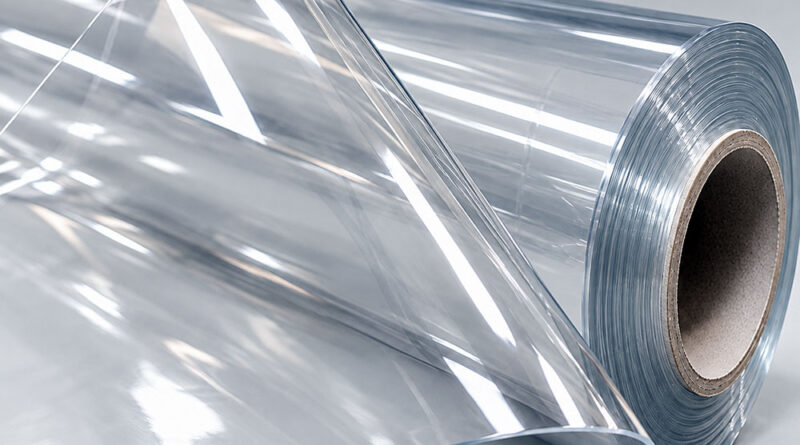
The Role of Innovative Manufacturing Technology in PVC Film Supply
Manufacturing technology plays an important role in the quality, efficiency, and reliability of modern PVC film production. As industries demand materials with more precise specifications and consistent performance, manufacturers are increasingly adopting advanced equipment, automated processes, and improved quality control systems. These developments help meet the requirements of applications ranging from packaging and construction to furniture, advertising, and industrial manufacturing.
Technological improvements also influence how manufacturers manage production capacity, reduce material waste, and respond to changing customer requirements. For businesses sourcing materials internationally, working with experienced PVC Film Suppliers can provide access to manufacturing capabilities and product options suited to different applications. Understanding the role of innovative technology helps buyers evaluate suppliers and make better-informed purchasing decisions.
1. Modern Production Equipment Improves Manufacturing Precision
Advanced manufacturing equipment helps improve the accuracy and consistency of PVC film production.
Traditional production methods can require significant manual adjustments, particularly when manufacturers produce films with different thicknesses, widths, and surface finishes. Modern equipment offers more precise control over important processing variables.
Depending on the production method, advanced machinery may help manufacturers control:
- Material feeding rates.
- Processing temperatures.
- Roller pressure.
- Production speed.
- Film thickness.
- Cooling conditions.
- Surface finishing.
Better process control can reduce variations between production batches and support more consistent product specifications.
2. Automation Supports Stable Production Processes
Automation has become an important part of modern plastic film manufacturing.
Automated systems can manage repetitive production activities and help maintain consistent operating conditions. They also reduce dependence on manual adjustments for routine tasks.
In PVC film manufacturing, automation may be used for:
- Raw material feeding.
- Mixing and batching.
- Temperature regulation.
- Production speed adjustments.
- Film winding.
- Roll measurement.
- Product handling.
Automation does not eliminate the need for skilled operators. Instead, it allows production teams to monitor processes more effectively and focus on maintaining product quality.
3. Advanced Extrusion Technology Expands Production Capabilities
Extrusion is one of the manufacturing methods used to produce PVC film and sheet materials.
In this process, PVC compounds are heated and processed through specialized equipment before being formed into a continuous film or sheet.
Modern extrusion systems can provide improved control over processing conditions, material flow, and final dimensions.
Technological developments may include:
- More precise temperature control.
- Improved screw and barrel designs.
- Better material feeding systems.
- Advanced die configurations.
- Automated thickness monitoring.
- Improved cooling and winding equipment.
These improvements can support more stable production and help manufacturers produce films with specific physical characteristics.
4. Calendering Technology Improves Film Uniformity
Calendering is another important manufacturing method used for PVC film.
The process involves passing heated PVC material through a series of rollers to form a film with the required thickness and surface characteristics.
Modern calendering systems use improved roller designs, temperature regulation, and process monitoring to support consistent output.
Important advantages can include:
- More controlled film thickness.
- Improved surface smoothness.
- Better dimensional consistency.
- Greater production efficiency.
- More precise surface textures.
- Reduced process variation.
The suitability of calendering or extrusion depends on the required film characteristics, production volume, and intended application.
5. Digital Monitoring Improves Quality Control
Digital monitoring systems help manufacturers collect and evaluate production data in real time.
Instead of relying entirely on manual inspections, manufacturers can use sensors and monitoring equipment to track important production variables.
These systems may monitor:
- Film thickness.
- Processing temperature.
- Production speed.
- Material flow.
- Equipment performance.
- Winding tension.
- Environmental conditions.
When a parameter moves outside its approved range, operators can investigate and make adjustments.
Digital records also help manufacturers identify recurring production issues and compare performance across different batches.
6. Automated Thickness Measurement Reduces Variations
Film thickness is a critical specification because it influences material weight, flexibility, strength, and processing behavior.
Traditional manual measurement remains useful for verification, but automated measurement systems can provide more frequent information during production.
Depending on the equipment, thickness monitoring may use non-contact measurement technologies to assess film dimensions without interrupting the production process.
This can help manufacturers:
- Identify thickness variations earlier.
- Adjust production settings.
- Reduce material waste.
- Improve dimensional consistency.
- Maintain agreed product tolerances.
For buyers, consistent thickness is particularly important when PVC film is used in automated packaging, printing, lamination, or other precision manufacturing operations.
7. Improved Formulation Technology Supports Customized Products
Innovative manufacturing is not limited to machinery. Improvements in material formulation also play an important role in PVC film development.
PVC resin is combined with different additives to achieve specific performance characteristics.
Depending on the application, manufacturers may adjust formulations to influence:
- Flexibility.
- Transparency.
- Color.
- Surface appearance.
- Thermal stability.
- Processing characteristics.
- Chemical resistance.
Better formulation control helps manufacturers produce materials that meet different customer requirements.
For example, transparent packaging film may require a different formulation from decorative furniture film or industrial PVC sheeting.
Accurate weighing, controlled mixing, and documented material recipes help maintain consistency between production batches.
8. Advanced Surface Treatment Creates More Product Options
Surface appearance can influence both the performance and commercial value of PVC film.
Modern finishing technologies allow manufacturers to produce different textures, gloss levels, and decorative effects.
Common surface options include:
- Glossy finishes.
- Matte finishes.
- Embossed textures.
- Printed patterns.
- Decorative surfaces.
- Specialized coatings.
Surface treatment may be important for furniture, interior decoration, signage, and packaging applications.
Improved process control helps maintain consistent appearance across production runs, which is especially useful for customers requiring repeat orders.
9. Artificial Intelligence and Data Analytics Support Process Optimization
Artificial intelligence and data analytics are increasingly relevant to industrial manufacturing.
When integrated with suitable production equipment, data-driven systems can help manufacturers analyze operating conditions and identify patterns that may affect product quality.
Potential applications include:
Predictive maintenance: Equipment data can help identify signs of wear or unusual operating behavior before major failures occur.
Production optimization: Data analysis can help identify settings associated with better production efficiency and reduced waste.
Defect detection: Computer vision systems can support the identification of visible defects such as scratches, bubbles, or surface irregularities.
Quality trend analysis: Historical production records can help manufacturers identify recurring variations and investigate their causes.
These technologies require suitable data, equipment, and technical expertise. Their effectiveness depends on how well they are integrated into existing manufacturing processes.
10. Energy-Efficient Technology Reduces Operating Costs
Energy consumption is an important consideration in PVC film manufacturing because heating, cooling, mixing, and mechanical processing require substantial industrial equipment.
Modern machinery can help improve energy efficiency through better temperature control, optimized motor systems, and reduced unnecessary operating time.
Potential improvements include:
- Energy-efficient motors.
- Variable-frequency drives.
- Improved heating systems.
- Better insulation.
- Optimized cooling equipment.
- Automated shutdown procedures.
- Production scheduling improvements.
Lower energy consumption can reduce manufacturing costs and support more efficient resource use.
However, energy efficiency should be evaluated alongside product quality and production reliability rather than treated as the only measure of manufacturing performance.
11. Technology Helps Reduce Material Waste
Material waste can occur during production setup, equipment adjustments, trimming, and the rejection of defective products.
Modern monitoring and automation systems can help reduce these losses by improving process stability.
For example, accurate thickness control may reduce the amount of material rejected because of dimensional inconsistencies.
Automated inspection can also help identify defects earlier, limiting the quantity of affected material.
Manufacturers may improve material utilization through:
- More accurate production settings.
- Better formulation management.
- Optimized roll dimensions.
- Reduced setup waste.
- Early defect identification.
- Improved recycling and material handling procedures.
Reducing waste can improve manufacturing efficiency while supporting more responsible resource management.
12. Improved Testing Equipment Strengthens Product Verification
Innovative production technology must be supported by reliable testing equipment.
Manufacturers need to verify that finished PVC film meets the specifications agreed upon with customers.
Depending on the product and application, testing may cover:
| Test or Inspection | Purpose |
|---|---|
| Thickness measurement | Checks dimensional consistency |
| Tensile testing | Evaluates resistance to pulling forces |
| Elongation testing | Measures stretching behavior |
| Tear resistance testing | Assesses resistance to tear propagation |
| Visual inspection | Identifies surface defects |
| Color measurement | Evaluates color consistency |
| Thermal testing | Examines behavior under specified temperature conditions |
| Transparency testing | Assesses optical properties |
For example, ASTM D882 provides a method for determining tensile properties of thin plastic sheeting.
Using appropriate testing methods allows manufacturers to provide more meaningful quality information and helps buyers compare products based on measurable characteristics.
13. Digital Systems Improve Production Planning and Inventory Management
Manufacturing technology also influences how suppliers manage orders and inventory.
Production planning software and enterprise resource planning systems can help coordinate raw material purchasing, manufacturing schedules, finished goods, and customer orders.
These systems may support:
- Inventory monitoring.
- Production scheduling.
- Raw material tracking.
- Order status updates.
- Batch identification.
- Shipment planning.
- Production performance reporting.
Better coordination can help manufacturers respond more effectively to changing order volumes and reduce unnecessary production delays.
For international buyers, clear production schedules and reliable order information can make supply planning easier.
14. Traceability Technology Supports International Supply Chains
Traceability is particularly important when PVC film is manufactured for customers in different countries.
Digital recordkeeping can connect raw material information, production parameters, inspection results, and shipment details.
A traceability system may use batch numbers, barcodes, or other identification methods to track products throughout manufacturing and distribution.
This helps businesses:
- Identify the origin of specific production batches.
- Review quality inspection records.
- Investigate customer complaints.
- Manage product recalls when necessary.
- Verify shipment information.
- Maintain consistent documentation.
Traceability also improves communication between manufacturers, distributors, and importers.
15. Technology Helps Manufacturers Meet Different Industry Requirements
Different industries require PVC film with different properties and performance characteristics.
Manufacturing technology allows suppliers to adjust production processes to meet these varied requirements.
Packaging Industry
Packaging applications may require transparency, flexibility, sealing performance, and consistent dimensions.
Furniture Industry
Decorative furniture films may require specific colors, patterns, embossing, and surface finishes.
Construction Industry
Construction-related applications may require suitable strength, durability, and environmental performance.
Advertising Industry
Printed and display films may require smooth surfaces, consistent appearance, and compatibility with printing processes.
Industrial Applications
Industrial PVC films may need specific mechanical properties, chemical resistance, or processing characteristics.
Manufacturers must match equipment capabilities and material formulations to the intended application.
16. How Buyers Can Evaluate a Supplier’s Manufacturing Technology
Importers and industrial buyers should look beyond general claims about advanced machinery.
A supplier’s actual production capabilities should be evaluated through technical discussions, product samples, documentation, and, where practical, facility inspections.
Consider the following questions:
- What production methods does the manufacturer use?
- Can the equipment maintain the required thickness tolerances?
- Are production parameters monitored automatically?
- What testing equipment is available?
- How are defects identified and recorded?
- Can the manufacturer produce customized formulations?
- Are batch records maintained?
- How does the supplier manage equipment maintenance?
- Can the manufacturer provide consistent repeat orders?
Buyers should also compare samples against agreed technical specifications rather than relying only on machinery descriptions or marketing claims.
Conclusion
Innovative manufacturing technology has an important influence on the PVC film supply industry. Advanced production equipment, automation, digital monitoring, improved formulation control, and modern testing systems help manufacturers improve consistency, efficiency, and product customization.
These developments also support better traceability, reduced material waste, and more coordinated international supply chains. However, technology alone does not guarantee product quality. Skilled operators, documented procedures, reliable raw materials, and effective quality management remain essential.
For buyers, understanding a supplier’s manufacturing capabilities can make the sourcing process more effective. Evaluating equipment, testing methods, production controls, and technical documentation helps businesses identify manufacturers capable of meeting their specific requirements and supporting long-term supply needs.