
How Disposable Cutlery Supports Hygiene and Convenience in Food Service
Maintaining hygiene and providing convenient service are two important priorities for restaurants, cafés, catering companies, and takeaway businesses. Customers expect their meals to be served with clean utensils and practical packaging that makes eating easy in different environments. Choosing suitable food service accessories can help businesses meet these expectations while keeping daily operations organized.
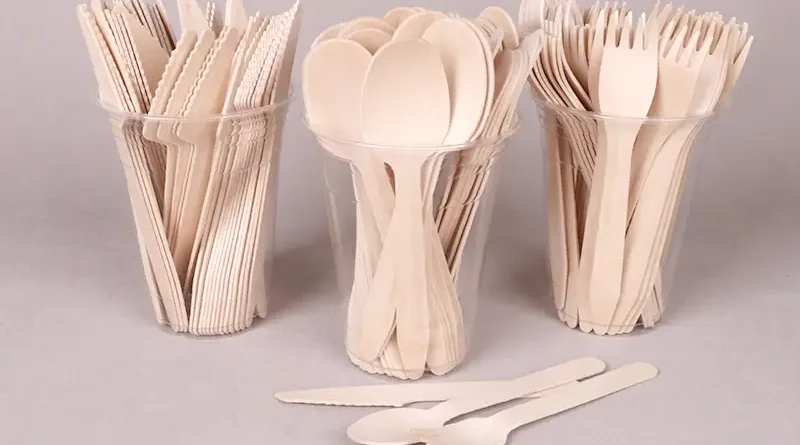
Disposable utensils offer a practical solution for businesses that serve takeaway meals, delivery orders, and food at large events. Using Disposable Cutlery allows restaurants to provide ready-to-use forks, spoons, and knives with food orders, helping customers enjoy their meals without searching for reusable utensils or carrying their own.
The Importance of Hygiene in Food Service
Food hygiene involves more than preparing meals safely. It also includes how serving equipment, packaging, and eating utensils are handled before reaching customers. Poor handling practices can create unnecessary risks, making cleanliness an essential part of every food service operation.
Reusable cutlery needs to be collected, washed, sanitized, dried, and stored correctly before being used again. Disposable alternatives can reduce the need for these particular handling steps in takeaway and delivery settings.
However, disposable utensils must still be manufactured, transported, stored, and distributed hygienically. Businesses should follow appropriate food safety procedures and ensure that cutlery remains protected from contamination before use.
1. Reduces the Need for Utensil Washing
One of the practical advantages of disposable cutlery is that it does not need to be returned for washing after a single use. This can simplify operations for businesses that primarily serve takeaway and delivery customers.
With reusable utensils, staff must manage several additional tasks, including:
- Collecting used cutlery.
- Separating it from food waste.
- Washing and sanitizing each item.
- Drying utensils properly.
- Storing clean utensils separately.
Disposable options eliminate the need for this particular washing cycle, allowing employees to concentrate on food preparation, packaging, and customer service. This can be especially useful in busy kitchens and temporary food service locations.
2. Supports Cleaner Utensil Handling
Disposable cutlery can be supplied in individual wrappers or protective packaging. This helps limit unnecessary contact with the utensils before customers use them.
For restaurants and delivery services, wrapped cutlery can be added directly to food packages during order preparation. Staff can handle the outer packaging while keeping the eating surface protected until the customer opens it.
Businesses should store utensils in clean, dry areas and avoid exposing unpackaged products to dust, moisture, or unnecessary handling. Packaging alone does not guarantee hygiene; proper storage and handling remain essential.
3. Makes Takeaway and Delivery More Convenient
Customers often order takeaway meals because they want food that is ready to eat wherever they are. However, receiving a meal without suitable utensils can create inconvenience, particularly when customers are at work, travelling, or outdoors.
Including appropriate cutlery makes orders more practical. Customers can enjoy their meals without needing to locate forks, spoons, or knives separately.
This is particularly helpful for:
- Office lunches and workplace deliveries.
- Outdoor dining and picnics.
- Travel meals and packed food.
- School and university meal services.
- Restaurant takeaway orders.
Businesses can also allow customers to request cutlery rather than automatically including it in every package. This approach helps accommodate customer needs while reducing unnecessary waste.
4. Helps Restaurants Manage Busy Service Periods
During lunch and dinner rushes, food businesses need efficient systems for preparing and packaging orders. Every additional task can affect how smoothly employees manage incoming requests.
Disposable cutlery is generally easy to organize near packing stations. Staff can select the required utensils and add them to orders without waiting for reusable cutlery to complete a cleaning process.
This can be valuable for cloud kitchens, takeaway counters, food trucks, and restaurants that process a high volume of delivery orders. Maintaining an organized utensil supply also helps reduce the chances of forgetting essential accessories.
5. Provides Suitable Options for Different Meals
Different foods require different utensils. A soup needs a spoon, while pasta and salads are generally easier to eat with a fork. Some meals may require a combination of utensils.
Disposable cutlery is available in different shapes, sizes, and materials to accommodate various menu items.
Common examples include:
- Forks: Suitable for pasta, salads, rice dishes, and desserts.
- Spoons: Useful for soups, yogurt, porridge, and soft foods.
- Knives: Designed for cutting softer foods and spreading toppings.
- Cutlery sets: Combine multiple utensils for complete takeaway meals.
Selecting the right utensils helps customers eat comfortably and gives food businesses a consistent way to package different meal types.
6. Useful for Catering and Large Events
Catering companies and event organizers often serve many people within a short period. Weddings, conferences, office functions, outdoor gatherings, and festivals may require large quantities of eating utensils.
Disposable cutlery can make distribution easier because utensils can be prepared in advance and placed alongside individual meal packages or at serving stations.
It also helps organizers manage events where collecting and washing reusable cutlery would require additional equipment, staff, and space. Suitable cutlery sets can be selected according to the menu and serving arrangements.
7. Supports Practical Food Packaging
Food packaging works best when containers and accessories complement each other. A secure takeaway box protects the meal, while suitable cutlery allows customers to eat it conveniently.
Restaurants can organize packaging supplies according to their menus and order formats. For example, a meal containing rice, vegetables, and a side dish may require a fork or spoon, while a dessert order may need a smaller utensil.
A complete takeaway package may include:
- Food containers with suitable lids.
- Napkins for customer convenience.
- Appropriate forks, spoons, or knives.
- Protective wrapping for individual utensils.
- Carry bags or other necessary packaging accessories.
Coordinating these items helps businesses prepare orders consistently and provide a more organized customer experience.
8. Choosing Suitable Materials for Hygiene and Convenience
Disposable cutlery is available in different materials, including plastic, wood, bamboo, and certain plant-based alternatives. Each material has different properties that affect its strength, appearance, comfort, and intended use.
When choosing products, businesses should consider:
Food compatibility: Select utensils that can handle the texture and temperature of the meals being served.
Strength: Cutlery should remain functional during normal use without bending or breaking easily.
Comfort: Smooth edges, suitable dimensions, and practical shapes can improve the eating experience.
Packaging: Protective wrapping can help reduce unnecessary contact before use.
Food safety: Confirm that products meet relevant food-contact requirements and follow supplier storage instructions.
Disposal: Check local regulations and waste management facilities before selecting a material based on recycling or composting claims.
9. Balancing Convenience with Environmental Responsibility
Although disposable cutlery can simplify food service, businesses should consider how single-use products contribute to waste. Choosing a convenient utensil does not remove the need for responsible purchasing and disposal practices.
Restaurants can take several steps to reduce unnecessary waste:
- Provide cutlery when customers request it.
- Avoid including multiple utensils when only one is needed.
- Estimate order volumes before purchasing in bulk.
- Compare reusable and disposable options for different service situations.
- Choose materials with verified environmental claims and suitable local disposal routes.
Terms such as biodegradable, recyclable, and compostable describe different properties. Businesses should check product certifications and local processing facilities rather than assuming that all alternative materials can be disposed of in the same way.
Conclusion
Disposable cutlery supports hygiene and convenience by reducing the need for utensil washing in selected food service operations, helping protect utensils through appropriate packaging, and making takeaway meals easier to enjoy. It also supports efficient order preparation and provides practical options for restaurants, catering companies, food delivery services, and event organizers.
For the best results, businesses should choose utensils according to their menus, customer requirements, and food safety procedures. Considering material quality, protective packaging, and responsible disposal can help create a convenient food service experience while maintaining good operational standards.