
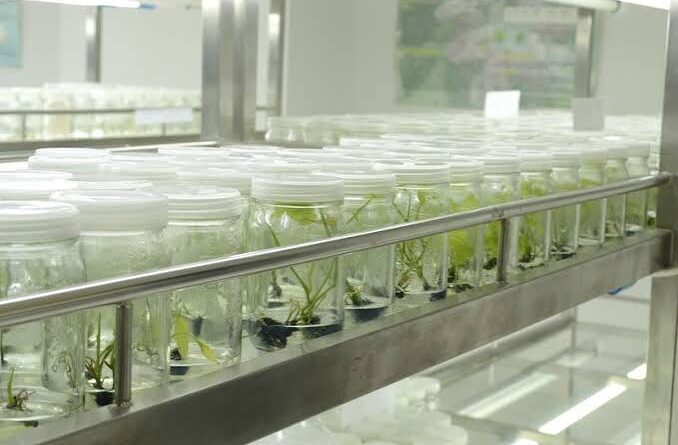
How to Find the Right Supplier for Tissue Culture Plants Wholesale
Choosing the right supplier is an important decision for nurseries, garden centers, plant distributors, and commercial growers. A dependable source of tissue culture plants helps businesses maintain consistent inventory, access suitable plant varieties, and plan their growing operations more effectively. However, not every supplier offers the same production standards, product range, or level of customer support.
When searching for Tissue Culture Plants Wholesale options, buyers should evaluate more than product prices. Factors such as plant health, propagation methods, quality control, packaging, shipping experience, and communication all contribute to a successful purchasing relationship. Understanding these factors can help businesses identify suppliers that meet their long-term requirements.
Understand Your Wholesale Plant Requirements
Before contacting potential suppliers, define what your nursery or business needs. A clear purchasing plan makes it easier to compare suppliers and avoid ordering unsuitable products.
Identify the Plant Varieties You Need
Start by preparing a list of the plant species and varieties you intend to purchase. Consider your customers’ preferences, local market demand, and the growing conditions available at your nursery.
Some suppliers specialize in particular plant categories, while others offer a broader selection. Confirm that the supplier can consistently provide the varieties you need.
Determine Your Order Volume
Estimate the number of plantlets required for each order. Your purchasing quantity should reflect expected sales, available growing space, labor capacity, and acclimatization resources.
Ask potential suppliers about minimum order quantities and whether they can accommodate repeat orders. This information is especially important for nurseries that need regular inventory replenishment.
Establish Your Quality Expectations
Different businesses may require different plant sizes, growth stages, packaging formats, and labeling standards. Define these requirements before requesting quotations.
Having clear specifications allows suppliers to provide more accurate information and helps prevent misunderstandings after an order is confirmed.
Evaluate the Supplier’s Experience and Expertise
A supplier’s experience can provide useful insight into its ability to handle commercial orders. Tissue culture production involves specialized laboratory procedures, controlled growing environments, and careful plant handling.
Review Their Industry Background
Look for suppliers with experience in tissue culture propagation and wholesale plant distribution. Check how long they have operated, which plant categories they handle, and whether they serve customers with requirements similar to yours.
A supplier familiar with commercial nursery operations may better understand bulk order planning, seasonal demand, and transportation challenges.
Ask About Production Capabilities
Find out whether the supplier operates its own tissue culture laboratory, works with production partners, or sources plants from multiple facilities.
Understanding its production arrangements can help you evaluate supply consistency, product availability, and the supplier’s ability to manage larger orders.
Check Their Technical Knowledge
Reliable suppliers should be able to explain basic information about plant varieties, growth stages, handling requirements, and acclimatization. Their team should also respond clearly to questions about plant care and transportation.
Detailed and practical answers can indicate that the supplier understands the products it provides.
Examine Plant Quality and Production Standards
Plant quality is one of the most important considerations when selecting a wholesale supplier. Poor-quality plantlets can create additional work, reduce successful acclimatization rates, and affect nursery profitability.
Ask About Laboratory Hygiene
Tissue culture production depends on controlled and clean laboratory conditions. Proper sterilization of equipment, culture containers, and working areas helps reduce contamination risks.
Ask suppliers how they maintain laboratory hygiene and monitor their production environments.
Review Plant Health and Development
Request recent photographs, product specifications, or samples when available. Depending on the species and growth stage, suitable plantlets should show healthy development, appropriate root formation, and no obvious signs of severe damage or contamination.
Clarify how the supplier grades plants and what condition you should expect when receiving an order.
Understand Quality Control Procedures
Ask whether the supplier conducts inspections at different production stages. Quality checks may include monitoring contamination, plant development, root condition, uniformity, and packaging suitability.
A clearly explained quality control process makes it easier to understand how products are evaluated before dispatch.
Compare Product Range and Availability
A supplier with a suitable product range can make purchasing more convenient and support future business growth.
Check Variety Selection
Review the supplier’s catalog to see whether it offers the plant types your customers regularly request. Consider both popular varieties and specialized options that may help differentiate your nursery.
If you plan to expand your product range, ask whether additional varieties can be sourced or produced.
Confirm Seasonal Availability
Some plant varieties may have limited availability depending on production schedules and market demand. Ask suppliers how far in advance orders should be placed and whether they can reserve quantities for future delivery.
Early planning is particularly useful when preparing for seasonal sales periods.
Ask About Repeat Order Consistency
A supplier may provide a suitable first shipment but struggle to maintain the same specifications in later orders. Discuss how it manages repeat production and whether plant quality, grading, and packaging can remain consistent.
This is especially important for businesses that supply commercial projects or customers who expect uniform batches.
Compare Pricing and Wholesale Terms
Price is an important part of supplier selection, but the lowest quotation does not always represent the best overall value.
Request Detailed Quotations
Ask each supplier to provide a quotation based on your required varieties, quantities, plant sizes, and packaging specifications. The quotation should clearly explain the unit price and any additional charges.
Compare quotations using the same product specifications to make the evaluation more accurate.
Review Minimum Order Quantities
Suppliers may set minimum quantities for individual varieties or total orders. Make sure these requirements fit your purchasing budget and storage capacity.
If you are testing a new supplier, ask whether a smaller initial order is possible before committing to larger quantities.
Understand Payment and Contract Terms
Review payment schedules, accepted payment methods, cancellation policies, and procedures for handling order changes. For larger transactions, written agreements can help clarify responsibilities and delivery expectations.
Do not rely only on verbal promises when important commercial terms are involved.
Assess Packaging and Shipping Capabilities
Tissue culture plantlets can be sensitive to changes in temperature, humidity, and handling conditions. Appropriate packaging and transportation arrangements are therefore essential.
Check Packaging Methods
Ask how plants are packed for local and international transportation. Depending on the plant type and growth stage, packaging may involve culture vessels, trays, protective materials, or other suitable containers.
Packaging should help prevent physical damage and maintain appropriate conditions throughout transit.
Confirm Shipping Experience
Find out which shipping methods the supplier uses and how it handles longer transportation periods. Ask about estimated dispatch dates, transit times, shipment tracking, and procedures for delayed deliveries.
Suppliers with experience in plant transportation may be better prepared to manage common logistical challenges.
Verify Plant Import Requirements
For international orders, check the plant import regulations of your destination country. Requirements may include import permits, phytosanitary certificates, inspections, and other documents depending on the plant species and applicable regulations.
Confirm in advance which documents the supplier can provide and which responsibilities belong to the buyer.
Evaluate Customer Service and Communication
Good communication helps prevent problems during quotation, production, shipping, and after-sales support.
A reliable supplier should respond to inquiries clearly and provide realistic information about availability, lead times, and product specifications.
Consider the following points when evaluating customer service:
- Response time: Does the supplier answer questions within a reasonable period?
- Product information: Are descriptions, specifications, and care instructions clear?
- Order updates: Does the supplier communicate production and dispatch progress?
- Problem resolution: Is there a defined process for reporting damaged or unsuitable plants?
- After-sales support: Can buyers receive assistance after the shipment arrives?
Clear communication is particularly valuable when managing large or recurring wholesale orders.
Start With a Sample or Trial Order
Before placing a large order, consider testing the supplier with a smaller shipment if its policies allow it. A trial order provides an opportunity to assess actual product quality and service performance.
During the evaluation, pay attention to:
- Whether the delivered varieties match the agreed specifications.
- The condition of plantlets when they arrive.
- Packaging quality and labeling accuracy.
- The time required for acclimatization.
- The supplier’s response to questions or quality concerns.
Keep records of plant survival, development, and any issues that occur after delivery. These observations can help determine whether the supplier is suitable for long-term cooperation.
Common Mistakes to Avoid When Selecting a Supplier
Even careful buyers can make decisions that create unnecessary purchasing problems. Avoiding the following mistakes can improve the sourcing process.
Choosing Based Only on Low Prices
A low quotation may not include suitable packaging, reliable shipping, or consistent quality. Evaluate the complete cost and the value of the service rather than comparing unit prices alone.
Ignoring Supplier Documentation
Product specifications, invoices, shipping documents, and required plant health certificates should be reviewed carefully. Missing or inaccurate documentation can create complications, particularly with international shipments.
Overlooking Acclimatization Requirements
Plantlets may need specific environmental conditions after delivery. Confirm that your nursery has the necessary facilities and that the supplier can explain suitable handling practices.
Placing Large Orders Without Verification
Avoid committing to substantial quantities before checking the supplier’s capabilities. Reviewing samples, references, or a trial order can help reduce uncertainty.
Building a Long-Term Wholesale Supplier Relationship
Once you identify a suitable supplier, maintaining a professional relationship can improve future purchasing. Share your expected demand, preferred varieties, order schedules, and quality requirements in advance.
Regular communication may help suppliers plan production and reserve suitable quantities for your business. It also gives both parties an opportunity to address potential issues before they affect deliveries.
Keep track of supplier performance, including plant quality, delivery reliability, order accuracy, and customer support. Businesses researching potential sourcing partners can also review the product information and wholesale options provided by Young Plants when comparing suppliers.
Conclusion
Finding the right tissue culture plant supplier requires careful research and a clear understanding of your nursery’s requirements. Plant quality, production experience, product availability, pricing, packaging, shipping, and customer service should all be considered before making a purchasing decision.
By comparing suppliers systematically and starting with a manageable order, nurseries can reduce sourcing risks and identify reliable partners. A well-chosen supplier can support consistent inventory, efficient growing operations, and sustainable business development over the long term.