
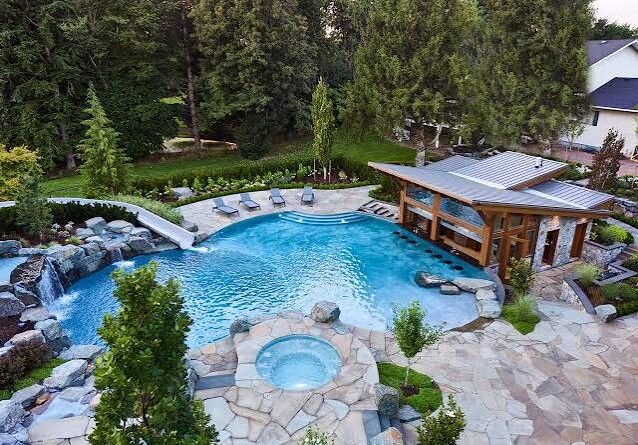
Custom Swimming Pool Features That Improve Comfort and Functionality
A swimming pool should offer more than an attractive appearance. The right combination of design elements, equipment, and practical features can make it easier to use, more comfortable for different activities, and simpler to maintain over time. Homeowners who plan these details before construction can create an outdoor space that meets their needs without adding unnecessary complexity.
A well-designed Custom Swimming Pool allows homeowners to select features according to their property, lifestyle, and budget. From comfortable entry steps to energy-efficient circulation systems, each addition should serve a clear purpose and contribute to the pool’s overall performance.
1. Comfortable Entry Steps and Ladders
Easy access is one of the most important features of a residential swimming pool. Properly designed entry points help swimmers enter and leave the water comfortably while supporting safer movement.
Built-in steps can provide a convenient alternative to traditional ladders, particularly for families and people who prefer gradual entry. Wide steps may also offer a place to pause in shallow water, provided their design and depth are appropriate.
When planning entry features, consider the pool’s depth, the ages and abilities of its users, and the available swimming area. Steps should be clearly visible, and handrails may be useful where suitable.
2. Built-In Seating and Relaxation Areas
Integrated seating can make a pool more comfortable for people who want to relax without swimming continuously. Underwater benches and shallow lounging areas provide places to sit, cool off, or enjoy conversation.
These features can be especially useful in family pools and compact residential designs. However, they occupy part of the available water area, so their placement should reflect the pool’s primary purpose.
For homeowners who prefer swimming laps, minimizing internal seating may preserve more uninterrupted space. Those focused on relaxation may benefit from a layout that gives seating greater priority.
3. Energy-Efficient Pool Pumps
Pool pumps circulate water through filtration and treatment systems, making them essential for maintaining suitable water quality. Choosing the right pump can also influence electricity consumption and operating costs.
Variable-speed pumps allow the circulation rate to be adjusted according to the pool’s needs. Running at lower speeds for appropriate periods can reduce energy use compared with operating a conventional single-speed pump continuously at full power.
The pump should be sized according to the pool volume, plumbing layout, filter requirements, and expected usage. Professional installation and correct programming help maintain effective circulation without unnecessary energy consumption.
4. Advanced Filtration Systems
An effective filtration system helps remove suspended particles and maintain clear water. The appropriate filter depends on the pool’s size, expected use, available space, and maintenance preferences.
Common filtration options include sand, cartridge, and diatomaceous earth systems. Each has different operating characteristics, cleaning requirements, and filtration performance.
Cartridge filters may reduce the need for frequent backwashing, while sand filters are familiar to many pool owners and can be relatively straightforward to maintain. Diatomaceous earth systems can provide fine filtration but require careful handling and maintenance according to manufacturer instructions.
No filter eliminates the need for proper sanitization or regular water testing. The entire circulation and treatment system must work together to support healthy swimming conditions.
5. Pool Heating Systems
Heating can make a swimming pool more comfortable when outdoor temperatures are cool or when homeowners want to extend the swimming season.
Several heating options are available, including heat pumps, gas heaters, and solar heating systems. Their suitability depends on climate, electricity and fuel prices, desired water temperature, and how frequently the pool will be used.
Heat pumps can be energy-efficient in suitable conditions, while gas heaters may offer rapid heating when fuel is available. Solar systems can reduce conventional energy use but depend on sunlight, system sizing, and suitable installation conditions.
A pool cover can help retain heat and reduce evaporation, improving the effectiveness of many heating systems. Compare installation expenses and ongoing operating costs before choosing a solution.
6. Underwater and Landscape Lighting
Lighting improves visibility and can make the pool area more inviting after sunset. Underwater fixtures illuminate the water, while surrounding lights help define pathways, steps, and seating areas.
A practical lighting plan should balance appearance with safety. Avoid excessive glare, and make sure changes in depth and entry points remain visible.
LED lighting can provide efficient illumination and a range of color options. However, decorative effects should not interfere with clear visibility or safe movement around the pool.
All pool lighting and associated electrical components must be suitable for their installation environment and installed by qualified professionals in accordance with applicable safety codes.
7. Automated Pool Controls
Automation can simplify routine pool management by allowing selected systems to operate according to a schedule or centralized controls.
Depending on the equipment, homeowners may be able to manage pump operation, lighting, heating, and certain water-treatment functions through a control panel or connected device.
Automation can reduce the need for manual adjustments, but it does not remove the responsibility to inspect equipment and verify water quality. Some sensors also require calibration or periodic replacement.
Before investing in an automated system, check compatibility with the planned equipment, the availability of technical support, and the long-term cost of maintaining connected components.
8. Pool Covers for Safety and Efficiency
Pool covers provide several practical benefits, including reduced evaporation, improved heat retention, and less debris entering the water.
Different cover types serve different purposes. Solar covers can help retain heat, while automatic covers offer convenient operation when properly installed. Approved safety covers may provide an additional protective barrier when the pool is not in use.
Homeowners should choose a cover that matches the pool’s dimensions and intended function. Not every cover is designed to support a person’s weight, so its safety rating and operating instructions must be checked carefully.
A cover should complement, rather than replace, appropriate pool barriers and active supervision of children.
9. Water Features for Visual Appeal and Comfort
Waterfalls, fountains, and spillover features can add movement and sound to a swimming pool. Depending on their design, they may also create a more relaxing atmosphere in the surrounding outdoor area.
However, water features require additional plumbing, pumps, or specialized equipment. They may increase installation costs and energy use, particularly when operated for long periods.
Consider how the feature will affect water circulation, splash, noise, and maintenance. A modest feature that complements the pool’s layout may be more practical than a complex installation that requires extensive upkeep.
10. Non-Slip Pool Decking
The area surrounding a swimming pool is just as important as the water itself. Suitable decking provides space for walking, entering and leaving the pool, placing furniture, and carrying out routine maintenance.
Materials should offer appropriate traction when wet and withstand exposure to water, sunlight, and pool chemicals. Options may include textured concrete, suitable natural stone, outdoor porcelain paving, and purpose-designed composite decking.
Heat retention is another consideration, particularly in sunny climates. Some materials become uncomfortable underfoot when exposed to direct sunlight, so review their performance before making a final selection.
Proper drainage helps prevent standing water, while regular cleaning preserves the surface and reduces the accumulation of slippery residue.
11. Handrails and Accessibility Features
A comfortable pool should accommodate the people who will use it most frequently. Handrails, gradual entry steps, and suitable access systems can make movement easier for older adults and people with limited mobility.
The appropriate solution depends on the pool’s design, water depth, available space, and individual needs. In some cases, specialized lifts or alternative entry arrangements may be appropriate.
Accessibility features should be planned early because they can affect structural design, surrounding clearances, and equipment placement. Consult a qualified designer to ensure that the selected features are suitable and comply with relevant requirements.
12. Temperature and Water-Care Monitoring
Maintaining suitable water conditions is essential for a comfortable swimming experience. Water that is poorly balanced or inadequately sanitized can cause irritation, damage equipment, and create hygiene problems.
Regular testing should cover relevant measures such as pH and sanitizer levels. Depending on the treatment system, additional parameters may also require monitoring.
Digital testing devices and compatible monitoring systems can help homeowners track selected measurements, but readings should be verified according to the manufacturer’s instructions. Automated systems still require routine maintenance and appropriate chemical adjustments.
A reliable testing routine is more important than relying entirely on technology.
13. Smart Water Circulation and Return Jets
Water circulation helps distribute treated water throughout the pool and carries it toward the filtration system. Properly positioned return jets can reduce stagnant areas and support more consistent water quality.
The location and direction of these fittings should be considered during the design stage. Their arrangement depends on the pool’s shape, depth, equipment capacity, and overall hydraulic design.
Well-planned circulation can also support effective debris movement toward skimmers and drains. However, return jets alone cannot compensate for an incorrectly sized pump or poorly maintained filtration system.
A qualified pool professional can design a circulation layout that suits the pool’s dimensions and expected use.
14. Storage and Equipment Access
Practical storage and accessible equipment areas can make pool ownership considerably easier. Cleaning tools, testing supplies, covers, and other accessories should have designated storage locations that protect them from unnecessary weather exposure.
Pumps, filters, valves, and treatment equipment should remain accessible for inspections and repairs. Concealing equipment behind landscaping or decorative structures can create problems if servicing becomes difficult.
When planning the outdoor layout, allocate enough room for maintenance work and ensure that drainage, ventilation, and electrical access meet the equipment’s requirements.
Organized storage also helps keep the pool area uncluttered and improves the overall appearance of the backyard.
15. Safety Barriers and Pool Alarms
Safety features should be included in every residential pool design. Secure barriers, compliant gates, suitable lighting, and clearly visible steps help reduce common hazards.
Pool alarms may provide an additional warning when certain disturbances or entry events are detected, depending on the system. However, alarms are not a substitute for barriers or direct supervision.
The exact requirements for fencing, gate hardware, covers, and alarms vary by location. Homeowners should confirm local regulations before construction and have the selected safety features installed correctly.
For households with children, active adult supervision remains essential whenever the pool is accessible or in use.
16. Choose Features That Fit Your Budget
Although modern pools can include many optional features, adding everything at once is rarely necessary. The most effective design prioritizes improvements that directly support comfort, safety, and everyday use.
Start by identifying essential requirements, such as reliable filtration, appropriate access, safe surrounding surfaces, and secure barriers. Then evaluate optional features such as heating, automation, decorative water effects, and upgraded lighting.
Consider both the purchase price and the long-term cost of operating each system. Features that consume significant energy or require specialized maintenance may be less attractive if they will be used infrequently.
Obtaining detailed quotations from qualified contractors helps compare alternatives and avoid unexpected expenses.
Conclusion
The right swimming pool features can improve comfort, accessibility, safety, and operating efficiency while making the outdoor space more enjoyable. Options such as built-in seating, efficient pumps, effective filtration, suitable lighting, pool covers, and automated controls each provide specific benefits when selected carefully.
Homeowners should prioritize features according to their lifestyle, property layout, budget, and maintenance preferences. By integrating these decisions into the initial design, it becomes easier to create a swimming pool that performs reliably and remains practical for years to come.