
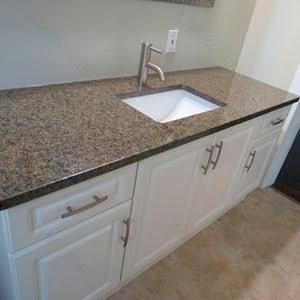
The Importance of Durability When Choosing KingKonree Bathroom Products
Bathroom products are used every day and are regularly exposed to moisture, temperature changes, cleaning agents, and physical contact. These conditions make durability an essential factor when selecting washbasins, bathtubs, countertops, and other bathroom fixtures. A product may look attractive when newly installed, but its long-term value depends on how well it maintains its appearance and functionality over time.
For homeowners, interior designers, contractors, and commercial property developers, choosing reliable bathroom products can help reduce maintenance requirements and replacement costs. Material quality, manufacturing standards, product design, and proper installation all contribute to long-term performance. Companies such as KingKonree operate in the solid surface and bathroom products industry, where durability is an important consideration in developing solutions for different residential and commercial environments.
Why Durability Matters in Bathroom Design
Bathrooms present challenging conditions for many interior materials. Frequent water exposure, humidity, daily use, and regular cleaning can gradually affect the condition of fixtures and surfaces.
Durable bathroom products are designed to withstand these everyday demands while maintaining their intended appearance and performance.
Several benefits make durability particularly important:
- Longer service life: Well-made products can remain functional for extended periods when properly maintained.
- Lower replacement costs: Durable fixtures may reduce the need for frequent repairs or replacements.
- Consistent appearance: Suitable materials can help surfaces maintain their finish despite regular use.
- Better everyday performance: Reliable construction supports comfortable and practical use.
- Reduced maintenance concerns: Materials that are easy to clean can simplify routine bathroom care.
These factors are relevant to both private homes and commercial facilities where bathroom fixtures experience frequent use.
Understanding Material Quality and Product Durability
The material used in a bathroom product has a significant influence on its physical properties, maintenance needs, and expected service life.
Different materials offer different advantages, so buyers should consider the intended application rather than choosing based on appearance alone.
Solid Surface Materials
Solid surface materials are engineered using combinations of mineral fillers, resin systems, pigments, and other components. Their composition varies by manufacturer and product formulation.
They are used in bathroom applications such as washbasins, countertops, bathtubs, and integrated vanity installations.
Depending on the formulation, solid surface products can offer a smooth finish, design flexibility, and surfaces that are relatively straightforward to maintain.
Resistance to Everyday Wear
Bathroom countertops and washbasins are exposed to frequent contact with personal care products, water, and cleaning equipment.
A suitable material should be selected according to its resistance to scratching, staining, and other forms of everyday wear. Buyers should review the manufacturer’s specifications because performance varies between products.
Moisture-Related Performance
Bathrooms naturally experience high humidity and frequent water contact. Materials and construction methods should therefore be appropriate for wet environments.
Proper sealing, installation, drainage, and ventilation also contribute to the long-term condition of bathroom fixtures.
Durability in Washbasins and Bathroom Countertops
Washbasins and countertops are among the most frequently used bathroom components. Their surfaces must accommodate regular washing, personal care routines, and contact with various household products.
Surface Strength and Scratch Resistance
Countertops may come into contact with cosmetic containers, grooming equipment, and other objects. Over time, these interactions can affect surface appearance.
Choosing a product with suitable wear characteristics can help maintain its finish. However, no surface should be assumed to be completely scratch-proof.
Using protective mats where appropriate and avoiding unnecessary impact can further reduce damage.
Stain Prevention and Easy Cleaning
Toothpaste, cosmetics, soap, and other bathroom substances may leave marks if they remain on a surface for long periods.
Nonporous or low-porosity surfaces, depending on their formulation, can make cleaning easier and help reduce the absorption of certain substances.
Regular cleaning according to the manufacturer’s instructions is still necessary to maintain the product’s condition.
Structural Reliability
A washbasin or countertop must be properly supported to handle its intended use.
Product dimensions, installation methods, mounting systems, and the surrounding structure all influence stability. Even a durable material can experience problems if the product is installed incorrectly.
Choosing Durable Bathtubs for Long-Term Use
Bathtubs are substantial bathroom fixtures that require careful consideration of material, construction, dimensions, and installation conditions.
Their durability affects both everyday comfort and long-term maintenance.
Material and Construction
Different bathtub materials have different characteristics. Acrylic, cast iron, ceramic-based materials, and solid surface compositions vary in weight, heat retention, repairability, and surface performance.
Buyers should compare these properties with their intended use and installation environment.
Resistance to Daily Cleaning
Bathtubs are regularly exposed to water, soap, shampoos, and cleaning products. The selected surface should be compatible with commonly used bathroom cleaning methods.
Harsh chemicals or abrasive tools may damage certain finishes, so manufacturer-approved cleaning recommendations should be followed.
Installation and Support
Proper installation is essential for bathtub durability. The floor structure, supporting base, drainage connections, and product positioning should all meet the manufacturer’s requirements.
Professional installation can help prevent movement, leakage, and other avoidable problems.
How Manufacturing Quality Influences Durability
Material selection is only one part of product reliability. Manufacturing processes also affect the consistency and performance of bathroom fixtures.
Manufacturers need to maintain suitable production controls to ensure that products meet their intended specifications.
Consistent Material Formulation
For engineered materials, consistency in the composition and processing of raw materials is important. Variations can influence surface appearance, strength, and other physical properties.
Controlled production procedures help manufacturers maintain more predictable results.
Precision in Fabrication
Cutting, molding, shaping, and finishing must be carried out accurately to achieve the required product dimensions and surface quality.
Precision is especially important for integrated washbasins and countertops, where different sections need to fit together correctly.
Inspection and Quality Control
Quality inspection helps identify manufacturing defects before products reach customers.
Common inspection considerations include:
- Checking dimensions against approved specifications.
- Examining surface finish and visual consistency.
- Inspecting edges, corners, and joints.
- Reviewing structural characteristics.
- Confirming packaging provides suitable protection during transportation.
These checks can help reduce defects and improve confidence in the finished product.
Durability Requirements for Residential and Commercial Bathrooms
The appropriate level of durability depends partly on how a bathroom will be used.
Residential bathrooms generally experience regular use by a limited number of people, while commercial facilities may face heavier daily traffic.
Residential Bathroom Applications
Homeowners often prioritize long-term appearance, convenient cleaning, comfort, and compatibility with their interior design.
Durable washbasins, countertops, and bathtubs can support everyday routines while reducing the need for frequent product replacement.
Families may also consider how well surfaces tolerate repeated cleaning and contact with common personal care products.
Hotels and Hospitality Facilities
Hotel bathrooms are used by different guests throughout the year. Fixtures must maintain a consistent appearance while accommodating frequent cleaning and repeated use.
Property managers should consider material specifications, ease of maintenance, installation quality, and access to replacement components.
Offices and Public Washrooms
Public and workplace bathrooms often experience high levels of use. Washbasins, countertops, and other fixtures should be selected according to traffic levels and maintenance schedules.
Products with appropriate surface and structural characteristics can help support dependable operation in these environments.
Maintenance Practices That Help Extend Product Life
Even well-manufactured bathroom products require proper care. Regular maintenance helps preserve surface quality and can prevent minor issues from developing into larger problems.
Useful practices include:
- Clean surfaces regularly: Remove soap residue, toothpaste, and other deposits before they accumulate.
- Use suitable cleaning products: Follow the manufacturer’s recommendations for approved cleaners.
- Avoid abrasive materials: Rough pads and aggressive powders may damage certain finishes.
- Wipe away standing water: This can help reduce water marks and mineral deposits.
- Prevent unnecessary impact: Avoid dropping heavy objects onto basins and countertops.
- Inspect joints and connections: Check for signs of leakage, loose fittings, or damaged seals.
- Address minor problems promptly: Early attention can help prevent further deterioration.
Maintenance requirements differ according to the material and product design, so buyers should always follow the relevant care instructions.
What Buyers Should Check Before Selecting Bathroom Products
Evaluating durability before purchase can help buyers make more informed decisions and avoid products that are unsuitable for their intended environment.
Important factors include:
- Material specifications: Understand the product’s composition and stated performance characteristics.
- Intended application: Confirm whether the product is suitable for residential, hospitality, or public use.
- Surface characteristics: Review information about scratch resistance, stain resistance, and cleaning requirements.
- Construction quality: Examine the product’s design, thickness, edges, and supporting components where relevant.
- Installation requirements: Check whether specialized mounting or structural support is needed.
- Warranty coverage: Understand what is covered and which conditions may affect the warranty.
- Maintenance instructions: Confirm that the required care is practical for the intended users.
- Supplier support: Consider access to product information, technical guidance, and replacement parts.
Requesting technical documentation and examining samples can also help buyers compare products before making a final selection.
The Relationship Between Durability, Design, and Long-Term Value
Durability should not be considered separately from bathroom aesthetics. A well-planned bathroom needs products that perform reliably while complementing the overall interior design.
Solid surface materials can provide flexibility in shapes, colors, and integrated configurations, making them useful for contemporary bathroom projects. Their suitability, however, depends on the specific formulation, fabrication quality, and maintenance requirements.
Choosing products based only on their initial price may overlook important long-term considerations. A more complete evaluation considers expected service life, cleaning needs, installation expenses, and potential replacement costs.
For commercial developers, these factors can influence the ongoing operating costs of a property. For homeowners, they contribute to the convenience and lasting quality of everyday bathroom spaces.
Future Developments in Durable Bathroom Products
Bathroom manufacturing continues to evolve as designers and consumers seek products that combine attractive appearances with dependable performance.
Several developments are influencing the industry.
Improved Material Engineering
Manufacturers continue to explore material formulations that balance strength, surface quality, fabrication flexibility, and maintenance requirements.
Advances in material engineering may create more options for different bathroom applications.
More Efficient Manufacturing Processes
Digital design tools, precision machinery, and improved production controls can help manufacturers achieve consistent product dimensions and finishes.
These technologies may also support more efficient customized production.
Greater Attention to Sustainability
Long-lasting products can contribute to reducing replacement frequency and material waste. Manufacturers are also exploring ways to improve resource efficiency and reduce waste during production.
Sustainable development increasingly involves considering material sourcing, manufacturing methods, product longevity, and end-of-life management.
Conclusion
Durability is one of the most important considerations when choosing bathroom products because fixtures must withstand regular use, moisture, cleaning, and other everyday conditions. Material quality, manufacturing precision, installation methods, and appropriate maintenance all contribute to long-term performance.
When evaluating KingKonree bathroom products or comparing solutions from different manufacturers, buyers should examine technical specifications, material characteristics, intended applications, and care requirements. A balanced approach to durability and design helps homeowners, designers, and commercial developers select bathroom fixtures that provide practical value while supporting attractive and functional interiors.