
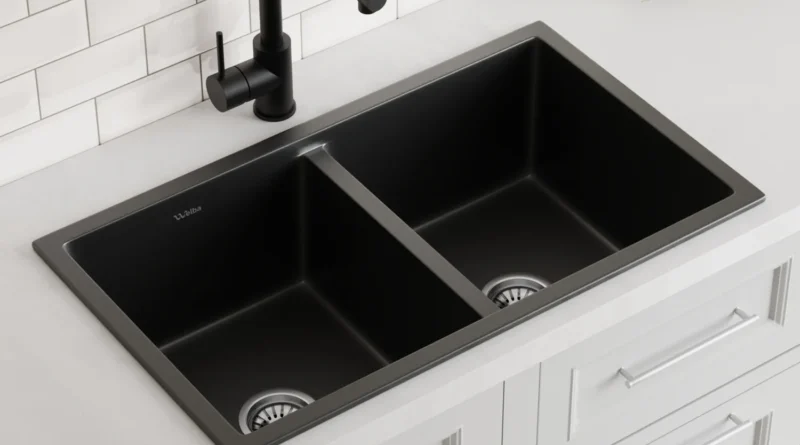
Custom Granite Sinks: Materials, Finishes, and Design Options
A kitchen sink can influence both the functionality and visual character of a kitchen. While standard sink sizes work well for many layouts, a custom design can provide greater flexibility when homeowners have specific space, style, or usability requirements.
A Custom Granite Sink can be tailored around different kitchen layouts and design preferences. Material composition, surface finish, bowl configuration, color, dimensions, and installation style are all important factors to consider before choosing a design.
Understanding Granite Sink Materials
Granite sinks are commonly available in natural stone and engineered composite forms. Natural granite provides an authentic stone appearance, while granite composite combines mineral particles with a resin-based binder.
Composite materials can offer greater consistency in manufacturing and allow sinks to be produced in a range of shapes, sizes, and colors. The exact composition varies by manufacturer, so product specifications should be reviewed carefully.
Choosing the Right Material
The material should be selected according to the kitchen’s practical requirements as well as its appearance. Consider how frequently the sink will be used and what types of cookware will typically be washed in it.
Important characteristics to compare include:
- Resistance to everyday impacts
- Heat tolerance
- Scratch and stain resistance
- Surface texture
- Cleaning requirements
- Weight and installation needs
Understanding these characteristics can make it easier to select a suitable sink material.
Exploring Different Finishes
The finish of a granite sink affects how it looks and how it interacts with the surrounding kitchen surfaces. A smooth finish can create a refined appearance, while a more textured surface can emphasize the natural character of the material.
The finish should also be practical for everyday maintenance. Ask the manufacturer about recommended cleaning products and whether particular finishes require additional care.
Selecting a Color
Color is one of the simplest ways to coordinate a sink with the rest of the kitchen. Granite and composite sinks are available in various neutral and darker shades.
A dark sink can create contrast against a light countertop, while a lighter or neutral shade may blend more subtly into the design. Consider the color of the cabinets, backsplash, countertops, and appliances before making a final selection.
Single-Bowl Designs
A single-bowl sink provides one continuous basin and can be particularly useful for washing large cookware. Without a divider, there is more room for oversized pots, baking trays, and other bulky items.
This configuration can work well in both contemporary and traditional kitchens. The ideal bowl dimensions depend on available cabinet space and the types of items regularly washed.
Double-Bowl Designs
Double-bowl sinks divide the basin into two sections. This arrangement can make it easier to separate washing, rinsing, and food preparation tasks.
The two bowls do not necessarily have to be identical in size. A custom configuration can use different bowl proportions depending on the user’s preferences and available space.
Choosing the Right Depth
Sink depth is another important design consideration. A deeper basin can provide additional room for large cookware, but an excessively deep sink may be less comfortable for some users.
Consider the height of the people who regularly use the kitchen, the cabinet dimensions, and the size of common cookware when determining the appropriate depth.
Installation Options
The installation style can have a major effect on the finished appearance. Undermount sinks are positioned below the countertop and create a clean edge around the basin.
Top-mount designs sit above the countertop and can be suitable for certain kitchen layouts and countertop materials. The selected installation method should be considered before fabrication because it can affect the required countertop opening.
Custom Shapes and Dimensions
One of the main advantages of custom sink design is the ability to work around unusual kitchen layouts. A sink can potentially be planned to accommodate specific cabinet dimensions, countertop limitations, or preferred bowl proportions.
However, custom dimensions should always be coordinated with the countertop fabricator and installer. Accurate measurements are essential to ensure the final sink fits correctly.
Matching the Sink to Your Kitchen Style
A custom granite sink can complement many interior styles. Simple rectangular forms can suit modern and minimalist kitchens, while larger or more traditional designs may work well in classic or farmhouse-inspired spaces.
Rather than selecting the sink independently, consider how its shape, color, and finish interact with the countertop, cabinetry, faucet, backsplash, and hardware.
Maintenance Considerations
Material and finish choices can affect how much maintenance a sink requires. Regular rinsing, removing food debris, and wiping away standing water can help keep the surface clean.
Use cleaning products recommended for the specific material and avoid abrasive tools or harsh chemicals unless the manufacturer confirms they are suitable.
Final Thoughts
Custom granite sinks offer flexibility in material, color, finish, dimensions, bowl configuration, and installation style. These options make it possible to plan a sink around both the practical needs and visual character of a kitchen.
Before finalizing a design, compare the material specifications, maintenance requirements, available space, installation method, and everyday usage. A thoughtful combination of these elements can result in a sink that fits naturally into the kitchen while providing reliable functionality.