
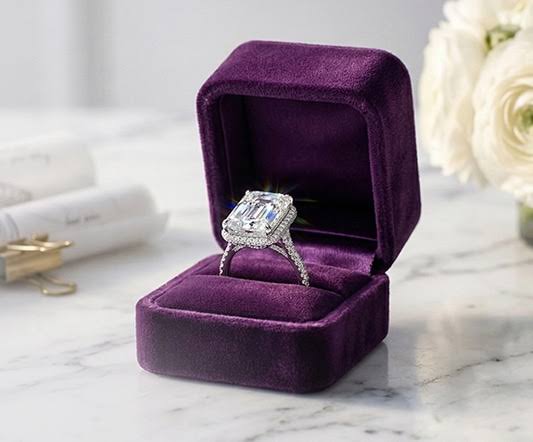
Best Metal Options for Custom Lab Grown Diamond Rings: Gold, Platinum, and More
Choosing the right metal is an important part of designing a diamond ring. While the center stone often receives the most attention, the band and setting influence the ring’s appearance, durability, comfort, and long-term maintenance. Different metals offer distinct colors, strengths, and price points, making it worthwhile to compare their characteristics before making a decision.
When designing a Custom Lab Grown Diamond Ring, buyers can select a metal that complements the diamond’s shape and personal style. Whether the preference is for traditional yellow gold, contemporary white gold, durable platinum, or distinctive rose gold, the right choice can help create a balanced and attractive piece of jewelry.
Why Does Metal Selection Matter?
The metal used in a diamond ring does more than provide a decorative frame. It supports the center stone, affects the ring’s overall weight, and determines how the jewelry responds to everyday wear.
Metal selection can influence several aspects of the finished ring:
- Appearance: Different metal colors create different visual effects around a diamond.
- Durability: Some metals are better suited to frequent everyday use.
- Maintenance: Certain finishes require more regular care than others.
- Comfort: Metal weight and band design affect how a ring feels.
- Cost: Material prices and purity levels influence the overall budget.
Considering these factors early in the design process helps ensure that the finished ring meets both practical and aesthetic expectations.
1. Yellow Gold: A Classic and Timeless Choice
<text> </text>
Yellow gold remains a popular option for engagement rings and other fine jewelry. Its warm color creates a traditional appearance that works well with many diamond shapes and setting styles.
Gold used in jewelry is commonly alloyed with other metals to improve its strength. Pure gold is relatively soft, so mixing it with metals such as copper, silver, or zinc makes it more suitable for ring construction.
Common Yellow Gold Purities
14K yellow gold: Contains 58.5% pure gold. It offers a practical balance of gold content, durability, and price, making it suitable for everyday jewelry.
18K yellow gold: Contains 75% pure gold. It has a richer gold color and higher gold content, although it is generally softer and more expensive than 14K gold.
Advantages of Yellow Gold
- Warm, recognizable appearance.
- Complements traditional and vintage-inspired designs.
- Available in several purity options.
- Does not require rhodium plating to maintain its natural yellow color.
Yellow gold is a suitable choice for buyers who prefer a traditional look and want a metal that pairs naturally with a wide range of diamond settings.
2. White Gold: A Modern and Elegant Option
White gold offers a bright, silvery appearance that creates a clean and contemporary look. It is made by combining gold with white-colored alloy metals.
Many white gold rings receive a rhodium coating to enhance their brightness and provide a reflective white finish. Over time, this coating can wear away, particularly on areas exposed to frequent friction.
Advantages of White Gold
- Modern appearance.
- Complements colorless and near-colorless diamonds.
- Available in 14K and 18K purity levels.
- Often more affordable than platinum.
Maintenance Considerations
White gold may require periodic rhodium replating to restore its original bright finish. The frequency depends on the coating, wear habits, and individual ring design.
Buyers should also consider whether they have sensitivities to alloy metals such as nickel. Nickel-free white gold options may be available, depending on the manufacturer.
White gold is a practical choice for people who like the appearance of platinum but want to explore a different price range.
3. Platinum: Durability and Natural White Color
Platinum is a naturally white precious metal valued for its density, durability, and resistance to corrosion. Unlike rhodium-plated white gold, platinum does not need a coating to maintain its naturally white appearance.
It is commonly used in fine jewelry, particularly for rings that require secure settings and a premium finish.
Benefits of Platinum
Natural white appearance: Platinum maintains its white color without rhodium plating.
Durable construction: Its density and strength make it suitable for detailed ring settings.
Secure stone settings: Platinum prongs are commonly used to hold diamonds in place.
Hypoallergenic properties: High-purity platinum jewelry is often suitable for people with sensitive skin, although alloy composition should still be checked.
Potential Disadvantages
Platinum is generally more expensive than many gold options. Its density also makes platinum rings heavier than comparable gold designs.
The surface can develop a soft, matte appearance known as a patina through everyday wear. This is a normal characteristic of platinum and can be polished if a brighter finish is preferred.
Platinum is worth considering when long-term durability, natural white color, and a substantial feel are important priorities.
4. Rose Gold: A Distinctive and Romantic Style
Rose gold is known for its soft pink or reddish appearance. Its color comes from the copper used in the alloy, which gives the metal a distinctive tone.
The amount of copper influences the final color, while the gold content determines the karat purity.
Why Choose Rose Gold?
- Offers a warm, distinctive appearance.
- Complements vintage and contemporary designs.
- Creates an interesting contrast with white diamonds.
- Does not require rhodium plating to maintain its natural color.
Rose gold is often selected for engagement rings, anniversary jewelry, and personalized designs.
However, copper content can be a consideration for people with metal sensitivities. Buyers should confirm the alloy composition before ordering.
5. Comparing Gold and Platinum
Gold and platinum are both established choices for diamond jewelry, but they differ in material properties, maintenance requirements, and pricing.
| Feature | Yellow Gold | White Gold | Rose Gold | Platinum |
|---|---|---|---|---|
| Appearance | Warm yellow | Silvery white | Pinkish tone | Natural white |
| Common purity | 14K, 18K | 14K, 18K | 14K, 18K | Often 95% |
| Rhodium plating | Not required | Often used | Not required | Not required |
| Relative weight | Varies by alloy | Varies by alloy | Varies by alloy | Generally heavier |
| Maintenance | Periodic cleaning | May need replating | Periodic cleaning | Polishing as desired |
| Typical cost | Varies by purity | Varies by purity | Varies by purity | Generally higher |
The best option depends on individual priorities rather than one metal being universally superior. Buyers should compare the exact alloy, purity, construction, and quoted price.
6. Other Metal Options for Diamond Rings
Although gold and platinum are the most common precious-metal choices for engagement rings, other materials may suit particular design preferences.
Palladium
Palladium is a member of the platinum group of metals. It has a naturally white appearance and is relatively lightweight compared with platinum.
It may be used in fine jewelry, although availability and pricing can vary by market and manufacturer.
Sterling Silver
Sterling silver typically contains 92.5% silver, with the remaining portion made up of other metals, commonly copper.
It is generally more affordable than gold or platinum. However, silver is softer and more prone to scratching and tarnishing, making it less common for high-value engagement rings intended for constant wear.
Titanium
Titanium is lightweight and strong, making it popular for certain modern jewelry designs. It is often used in contemporary bands, although its properties can make resizing and traditional stone-setting more challenging.
Tungsten
Tungsten carbide is known for its hardness and resistance to scratching. It is commonly used in men’s wedding bands and modern jewelry.
However, tungsten rings can be brittle under certain types of impact and are generally difficult or impossible to resize using traditional jewelry techniques. This makes careful sizing especially important.
These alternatives can offer distinctive design possibilities, but buyers should check whether they are suitable for the intended setting and future maintenance needs.
7. Matching Metal Color with Diamond Shape
The relationship between metal color and diamond shape can influence the visual balance of a ring.
Different combinations create different styles.
Round Brilliant Diamonds
Round brilliant diamonds work well with yellow gold, white gold, rose gold, and platinum. Their symmetrical shape makes them versatile for traditional and contemporary settings.
Oval Diamonds
Oval diamonds pair attractively with rose gold and yellow gold, particularly in delicate solitaire settings. White metals can also create a clean, understated appearance.
Emerald-Cut Diamonds
Emerald-cut diamonds have broad, open facets that create a distinctive visual effect. Platinum and white gold can emphasize their geometric appearance, while yellow gold offers a contrasting vintage-inspired style.
Princess-Cut Diamonds
Princess-cut diamonds are commonly used in modern ring designs. White gold and platinum complement their sharp geometric lines, while yellow gold creates a warmer contrast.
Pear-Shaped Diamonds
Pear-shaped diamonds can be paired with different metal colors depending on the desired style. A protective setting around the pointed end is particularly important because that area can be vulnerable to damage.
8. Choosing the Right Metal for Different Ring Settings
The setting style should also influence metal selection because each design has different structural requirements.
Solitaire settings: These simple designs can be made in gold or platinum. The metal should provide sufficient strength for the prongs holding the center diamond.
Halo settings: Small accent diamonds surround the center stone. The metal should support multiple stones while maintaining the intended design proportions.
Pavé settings: Numerous small diamonds are secured along the band. Skilled craftsmanship and appropriate metal construction are important for keeping the stones secure.
Bezel settings: A metal rim surrounds the diamond. Platinum and gold can both be used to create this protective structure.
Three-stone settings: The center diamond is accompanied by two side stones. The band and setting must provide suitable support for all three gemstones.
A jeweler or manufacturer can recommend appropriate metal thickness and construction based on the selected diamond size and setting style.
9. How Metal Choice Affects the Overall Ring Budget
The metal can represent a significant portion of the total ring cost, particularly when the design uses a wide band, substantial setting, or high-purity precious metal.
Several factors influence the final metal-related expense:
- Metal type: Platinum generally costs more than many gold options.
- Gold purity: 18K gold contains more pure gold than 14K gold.
- Ring weight: Wider and thicker bands require more material.
- Design complexity: Detailed settings and decorative elements may increase labor costs.
- Market prices: Precious-metal prices can change over time.
Buyers should request a quotation that identifies the metal type, purity, approximate weight, and manufacturing charges. This makes it easier to compare different designs accurately.
10. Practical Tips for Maintaining Your Ring Metal
Regular care helps preserve the appearance and condition of a diamond ring. Although diamonds are highly resistant to scratching, the surrounding metal can still become worn or damaged.
Consider these maintenance practices:
- Clean gently: Use warm water, mild soap, and a soft brush when appropriate for the metal and setting.
- Avoid harsh chemicals: Chlorine, bleach, and abrasive cleaning products can damage certain jewelry materials.
- Store separately: Keep rings away from other jewelry to reduce scratches.
- Inspect the setting: Check prongs and other stone-holding components periodically.
- Arrange professional checks: Have a jeweler inspect the ring if the diamond feels loose or the setting appears damaged.
- Follow metal-specific care: White gold may require rhodium replating, while platinum may benefit from occasional professional polishing.
Taking these steps can help maintain the ring’s appearance and reduce the risk of losing a center or accent stone.
How to Select the Best Metal for Your Lifestyle
The right metal should fit the way the ring will be worn, not just its appearance in a jewelry display.
For people who wear their rings daily, durability, comfort, and maintenance are especially important. Those who prefer a traditional appearance may choose yellow gold, while buyers interested in a bright white finish may compare white gold and platinum.
Rose gold is an appealing option for people who want a warmer and more distinctive design. Alternative metals such as titanium and tungsten may suit contemporary styles, although their resizing and repair limitations should be considered.
Before finalizing a design, evaluate the following questions:
- Will the ring be worn every day?
- Is a lightweight or heavier ring preferred?
- Is natural white metal color important?
- Are there sensitivities to particular alloy metals?
- How much maintenance is acceptable?
- Does the selected metal fit the available budget?
These considerations can help narrow the options and make the design process more straightforward.
Conclusion
The best metal for a custom lab grown diamond ring depends on personal style, durability expectations, maintenance preferences, and budget. Yellow gold offers a timeless appearance, white gold provides a modern silvery finish, rose gold creates a distinctive warm tone, and platinum combines natural whiteness with substantial durability.
Other materials, including palladium, silver, titanium, and tungsten, may also suit specific jewelry designs, although their properties and limitations should be considered carefully.
By comparing metal purity, weight, setting requirements, and long-term care, buyers can select a material that complements the diamond and supports the intended design. A well-chosen metal helps create a ring that is attractive, comfortable, and suitable for years of wear.