
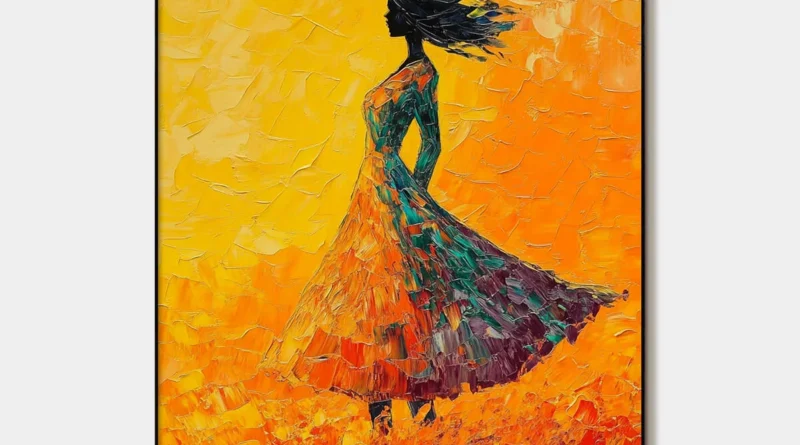
What Makes Handcrafted Custom Oil Paintings Special for Art Collectors
Art collecting is about more than acquiring attractive objects. For many collectors, it is a way to appreciate creativity, preserve artistic traditions, explore personal interests, and build a collection with lasting significance. While printed artwork and mass-produced decorations offer convenience, original handmade paintings provide a different experience through their individual character, materials, and artistic expression.
Handcrafted Custom Oil Paintings are especially appealing because they bring together personal vision and traditional painting techniques. Each piece is developed through an artistic process involving observation, color selection, composition, and careful brushwork. For collectors who value originality and craftsmanship, these qualities make custom oil paintings an interesting addition to a personal collection.
1. Every Painting Has Its Own Character
One of the defining qualities of handcrafted oil paintings is their individuality. Even when two artists work from the same reference photograph or subject, their results may differ in composition, color interpretation, brushwork, and texture.
A handmade painting reflects the decisions made throughout its creation. The artist determines how to represent light, emphasize important details, and balance different elements within the composition.
These individual choices give the artwork a distinct visual identity. Rather than looking like an identical copy of another decorative piece, a handcrafted painting carries the character of the person who created it.
For collectors, this individuality can make an artwork more interesting to study, display, and appreciate.
2. Traditional Oil Painting Techniques Add Depth
Oil painting has a long artistic history and remains valued for its versatility. Its slow drying properties allow artists to blend colors, build layers, and develop detailed compositions over time.
Traditional oil painting techniques can include:
- Glazing: Applying thin, transparent layers to create depth and subtle color effects.
- Impasto: Using thicker applications of paint to produce visible texture.
- Scumbling: Applying a thin, partially opaque layer to soften or modify underlying colors.
- Wet-on-wet painting: Blending fresh paint directly into another wet layer.
- Underpainting: Establishing an initial tonal or color foundation before developing the final composition.
These techniques offer considerable creative flexibility. Their application depends on the subject, artistic style, and desired surface appearance.
For collectors, understanding these methods can provide a deeper appreciation of the work involved in creating an original oil painting.
3. The Artist’s Personal Interpretation Makes a Difference
A reference photograph or design concept provides a starting point, but it does not determine every aspect of the finished artwork.
Artists interpret subjects through their understanding of color, proportion, lighting, and visual storytelling. A landscape might be given a warmer atmosphere, while a portrait may emphasize expression through carefully controlled brushwork.
This interpretation is an important part of handmade art. It allows the artist to introduce creative decisions that distinguish the painting from a simple photographic reproduction.
Collectors who appreciate artistic expression may find these individual interpretations particularly appealing because they reveal how different creators approach similar subjects.
4. Customization Creates a Personal Connection
A major advantage of commissioned artwork is the opportunity to influence its subject and design.
Collectors may request a painting inspired by a favorite landscape, historical reference, personal photograph, architectural scene, or particular artistic movement.
The process can also involve selecting:
- Preferred canvas dimensions.
- Horizontal, vertical, or square orientation.
- Color palette and tonal balance.
- Artistic style and level of detail.
- Background elements and composition.
- Specific visual features that should be emphasized.
This flexibility makes the artwork more closely connected to the collector’s interests and collection goals.
A personalized painting may also represent an important memory or reflect a subject that is difficult to find in standard art collections.
5. Rich Colors Create Lasting Visual Interest
Oil paints are known for their rich pigmentation and ability to produce complex color relationships.
Artists can combine transparent and opaque layers, adjust tonal values, and create subtle transitions between different shades. These techniques help develop depth and visual complexity.
For example, a portrait may use carefully balanced warm and cool tones to create realistic skin colors. A landscape may combine several shades of green, blue, and earth tones to represent natural light and atmosphere.
The resulting color relationships can make an oil painting visually engaging from different viewing distances.
For collectors, this quality offers an opportunity to appreciate the artwork beyond its subject alone.
6. Handcrafted Texture Adds Another Dimension
Texture is one of the distinctive features of original oil painting.
Depending on the artist’s technique, the painted surface may contain smooth transitions, delicate brush marks, raised paint applications, or layered details.
These surface characteristics can change how light interacts with the artwork. A textured area may appear different when viewed from various angles, while smoother sections can create a contrasting visual effect.
This physical dimension distinguishes many handmade paintings from flat printed reproductions.
Collectors interested in traditional painting methods may especially appreciate the visible evidence of brushwork and material application.
7. Custom Paintings Can Reflect Specific Art Movements
Collectors often develop interests in particular periods, movements, or visual traditions.
A custom commission can draw inspiration from a wide range of artistic approaches, including:
Classical Realism
Classical realism emphasizes recognizable subjects, balanced proportions, careful observation, and detailed representation.
Impressionism
Impressionist paintings focus on light, atmosphere, and expressive brushwork. They often use color to communicate the changing qualities of a scene.
Abstract Expressionism
This approach emphasizes gesture, movement, emotion, and the expressive possibilities of color and form.
Pop Art
Pop art draws inspiration from popular culture, advertising, consumer imagery, and recognizable visual symbols.
Contemporary Art
Contemporary styles may combine traditional painting techniques with modern compositions, simplified forms, and experimental color relationships.
Working with an artist who understands the desired approach can help collectors create a painting that complements an existing collection or explores a new artistic direction.
8. Original Artwork Can Strengthen a Collection’s Identity
A well-developed art collection often reflects a consistent set of interests, themes, or aesthetic preferences.
Some collectors focus on landscapes, while others prefer portraits, abstract compositions, or works inspired by particular cultures and historical periods.
Custom paintings can help expand these themes by introducing subjects that are personally relevant to the collection.
For example, someone collecting architectural artwork might commission a painting of a building that holds historical or personal significance. A collector interested in nature may request a composition featuring a particular environment or seasonal atmosphere.
This ability to create artwork around a specific theme can help make a collection more cohesive and distinctive.
9. The Creative Process Encourages Deeper Appreciation
Commissioning a handmade painting allows collectors to experience more of the creative process than simply purchasing a finished piece.
They may participate in discussions about the subject, review reference images, consider composition options, and communicate their preferred artistic direction.
Depending on the artist’s working process, preliminary sketches or progress updates may also be available.
This involvement can provide insight into the time, planning, and technical decisions required to complete an oil painting.
It can also make the finished piece more meaningful because the collector understands the ideas and decisions behind its creation.
10. Handmade Artwork Offers an Alternative to Mass Production
Mass-produced wall art is often designed to appeal to a broad audience. Although it can be practical for decorating large spaces, it may not provide the same level of individual artistic interpretation as an original painting.
Handcrafted artwork follows a different process. Each piece requires direct artistic involvement, from preparing the surface to applying and refining the paint.
This distinction is particularly relevant for collectors who value original creative work rather than simply seeking decorative images.
However, handmade does not automatically mean rare, historically important, or financially valuable. Collectors should consider the artist, provenance, quality, and nature of the work when evaluating a painting.
11. Material Quality and Craftsmanship Matter
The quality of a handcrafted painting depends on several factors beyond its visual subject.
Canvas preparation, paint selection, surface treatment, and construction all contribute to the finished artwork.
When evaluating a custom oil painting, collectors should consider:
- The type and quality of canvas used.
- The preparation and priming of the painting surface.
- The consistency and condition of the paint application.
- The quality of the composition and drawing.
- The finishing and presentation of the artwork.
- The artist’s experience and working methods.
It is also useful to ask whether the painting is signed and whether documentation describing the artist, materials, and commission is available.
These details help collectors understand what they are acquiring and how the artwork has been produced.
12. Understanding Authenticity and Provenance
For serious collectors, knowing the origin of an artwork is an important part of the purchasing process.
Provenance refers to the documented history of an artwork, including information about its creation, ownership, and previous transactions where applicable.
A commissioned painting may come with details such as the artist’s name, creation date, title, materials, and a record of the commission.
Collectors should keep relevant invoices, certificates, correspondence, and photographs of the completed artwork.
It is important to distinguish between an original handmade painting and a reproduction of an existing work. Clear descriptions and documentation help establish what the artwork represents.
13. Considering Long-Term Preservation
Oil paintings can remain in good condition for many years when they are created with suitable materials and properly maintained.
However, their longevity depends on several factors, including the quality of the materials, paint application, environmental conditions, and handling.
Collectors can help protect their paintings by following basic care practices:
- Avoid prolonged exposure to direct sunlight.
- Keep artwork away from excessive moisture.
- Maintain a relatively stable indoor environment.
- Avoid placing paintings near strong heat sources.
- Handle canvases carefully to prevent pressure or surface damage.
- Use professional advice before cleaning or restoring the painting.
A professional conservator should be consulted if an oil painting develops cracking, flaking, discoloration, or other signs of deterioration.
14. Choosing the Right Artist for a Custom Commission
The artist plays a central role in determining the character and quality of a commissioned painting.
Before beginning a project, collectors should review examples of previous work and consider whether the artist’s style matches their expectations.
Useful questions include:
- Does the artist have experience with the requested subject?
- Are previous paintings consistent in quality?
- Can the artist work with the preferred reference material?
- Are the proposed dimensions and artistic style practical?
- Is the production timeline clearly explained?
- Are revisions and finishing arrangements discussed in advance?
A clear conversation about expectations helps establish a productive working relationship.
Collectors should also confirm the terms of the commission, including pricing, payment arrangements, ownership, and any reproduction rights that may apply.
15. Personal Meaning Can Be Just as Important as Market Value
Art collecting is not always driven by financial considerations. Many people acquire paintings because they appreciate the subject, admire the artist’s technique, or feel a personal connection to the artwork.
A custom oil painting may represent a favorite place, an important relationship, or an artistic idea that has particular significance to its owner.
These qualities can make a painting valuable to the collector even when its market value is difficult to determine.
Anyone purchasing artwork as an investment should conduct separate research and avoid assuming that customization or handmade production guarantees future appreciation.
For collectors focused on enjoyment and personal expression, choosing artwork that genuinely resonates with them can be more rewarding than following market trends.
Conclusion
Handcrafted custom oil paintings are special for art collectors because they combine traditional craftsmanship, individual artistic interpretation, and opportunities for personal expression. Their rich colors, layered techniques, physical textures, and distinctive compositions provide qualities that make original paintings rewarding to explore and display.
Whether commissioned to complement an existing collection, represent a meaningful subject, or explore a particular artistic style, a handmade oil painting offers a more personal approach to collecting.
By considering the artist’s experience, material quality, authenticity, subject, and preservation requirements, collectors can make informed choices and build collections that reflect their interests and appreciation of art.