
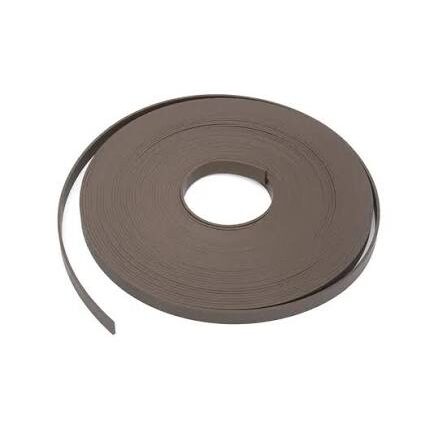
The Role of DMS Seals in Reducing Friction and Equipment Wear
Industrial machinery contains numerous moving components that operate under pressure, load, and continuous motion. During operation, these components experience friction that can gradually damage surfaces, increase heat, and reduce mechanical efficiency. If wear is not controlled, it may lead to equipment breakdowns, costly repairs, and unexpected production interruptions.
Sealing components play an important role in protecting machinery against these problems. DMS Seals are relevant to understanding how industrial sealing solutions help maintain lubrication, protect moving surfaces, and control friction in mechanical systems. When properly selected and installed, suitable seals can reduce wear-related problems, extend component service life, and support more reliable equipment operation.
Understanding Friction in Industrial Machinery
Friction is the resistance that occurs when two surfaces move against each other. It is a natural part of mechanical operation, particularly in equipment containing rotating shafts, hydraulic cylinders, bearings, pistons, and other moving assemblies.
Although some friction is necessary for certain mechanical functions, excessive friction can negatively affect equipment performance.
Common problems associated with excessive friction include:
- Increased operating temperatures.
- Faster deterioration of mechanical surfaces.
- Higher energy consumption.
- Reduced equipment efficiency.
- Greater maintenance requirements.
- Premature failure of moving components.
Lubrication, proper surface finishing, accurate alignment, and suitable sealing components all contribute to controlling friction.
How DMS Seals Help Reduce Friction and Equipment Wear
Seals are not simply barriers against fluid leakage. Their design and material properties also influence how moving components interact during operation.
Several important functions contribute to friction management and wear prevention.
1. Maintaining Proper Lubrication
Lubrication is essential for reducing direct contact between moving mechanical surfaces. Industrial equipment commonly uses oil or grease to minimize friction and protect components against excessive wear.
Seals help retain lubricants within designated areas of machinery. For example, rotary shaft seals prevent lubricating oil from escaping through rotating connections.
When lubrication remains at the required level, mechanical surfaces experience less direct contact, reducing friction-related damage.
2. Preventing Contamination
Dust, dirt, metal particles, and moisture can enter machinery and interfere with lubrication.
These contaminants may act as abrasive particles between moving surfaces, accelerating wear and damaging precision components.
Sealing products help prevent external contaminants from entering equipment. Wiper seals, for example, remove dirt from moving piston rods before they enter hydraulic cylinders.
This protection is particularly important for construction equipment, agricultural machinery, mining systems, and outdoor industrial applications.
3. Supporting Smooth Mechanical Movement
Dynamic seals are designed to operate alongside moving components. Their material properties and geometry influence friction during movement.
A properly selected seal maintains effective contact with the surrounding surface without creating unnecessary resistance.
This balance is important in hydraulic cylinders, pneumatic actuators, and rotating machinery, where excessive friction can affect movement speed and operating efficiency.
4. Reducing Heat Generation
Friction generates heat when mechanical surfaces move against each other. Excessive heat can affect lubricants, sealing materials, and nearby components.
Appropriate sealing materials and designs help control friction at contact surfaces. By retaining lubrication and limiting contamination, they can help reduce conditions that contribute to unnecessary heat generation.
However, heat management also depends on equipment design, operating speed, loading, and cooling arrangements.
5. Protecting Moving Components
Seals help protect critical mechanical parts from environmental damage and lubrication loss.
For example, hydraulic piston seals help maintain pressure within cylinders, while rod seals prevent fluid from escaping around moving rods. Guide rings also help maintain alignment and reduce metal-to-metal contact in certain assemblies.
Together, these components support smoother operation and help reduce premature mechanical deterioration.
Different Types of Seals That Help Control Friction
Different sealing designs are used to protect moving components and maintain effective lubrication in industrial machinery.
Hydraulic Seals
Hydraulic seals are used in pressurized fluid systems to prevent leakage and maintain operating pressure.
Piston seals and rod seals are particularly important because they operate alongside moving components. Their material selection must account for pressure, friction, movement speed, and hydraulic fluid compatibility.
Common applications include:
- Hydraulic cylinders.
- Construction machinery.
- Industrial presses.
- Agricultural equipment.
- Material-handling systems.
Rotary Shaft Seals
Rotary shaft seals are designed for rotating components. They retain lubricants within mechanical housings while preventing external contaminants from entering.
By maintaining lubrication around rotating shafts, these seals help protect bearings, gears, and other internal components.
They are widely used in electric motors, gearboxes, pumps, and automotive transmissions.
Pneumatic Seals
Pneumatic seals are used in compressed-air systems. They prevent air leakage while supporting the movement of pistons and actuators.
Low-friction characteristics are important in many pneumatic applications because equipment may perform frequent and rapid operating cycles.
Wiper Seals
Wiper seals are installed to remove contaminants from moving surfaces, especially hydraulic piston rods.
Their main purpose is to prevent dust, dirt, and moisture from entering the cylinder. By protecting internal sealing components, they help reduce abrasive wear and maintain system cleanliness.
Guide Rings and Wear Rings
Guide rings and wear rings support moving components by maintaining alignment and preventing direct contact between metal surfaces.
They are commonly used in hydraulic cylinders and other mechanical assemblies where lateral forces may affect piston or rod movement.
Although they are not primarily leakage-prevention components, they play an important role in reducing friction-related damage.
PTFE-Based Seals
Polytetrafluoroethylene (PTFE) is widely used in applications where low friction and chemical resistance are important.
PTFE-based sealing designs are suitable for various hydraulic, pneumatic, and industrial systems. Their specific performance depends on the formulation, reinforcement, and overall seal construction.
Materials That Influence Friction and Wear Resistance
The material used in a seal affects its friction characteristics, flexibility, mechanical strength, and resistance to environmental conditions.
Choosing an appropriate material helps ensure that the sealing component performs effectively under the intended operating conditions.
Polyurethane (PU)
Polyurethane is commonly used in hydraulic sealing applications because of its good abrasion resistance and mechanical strength.
It can withstand repeated movement and contact with surrounding surfaces, making it useful for piston seals, rod seals, and wiper seals.
Nitrile Rubber (NBR)
Nitrile rubber is widely used in applications involving petroleum-based oils and hydraulic fluids.
Its flexibility and oil resistance make it suitable for many general-purpose industrial sealing requirements.
Polytetrafluoroethylene (PTFE)
PTFE offers a low coefficient of friction and excellent resistance to many chemicals.
It is particularly useful in applications where reduced friction and smooth movement are important.
Fluorocarbon Rubber (FKM)
FKM is valued for its resistance to many oils, fuels, chemicals, and elevated temperatures.
It is commonly selected for demanding environments where material stability is important.
Silicone Rubber
Silicone provides flexibility across a broad temperature range and offers useful resistance to aging and environmental exposure.
However, it is not always the preferred option for applications involving high abrasion or heavy mechanical loads.
Factors That Influence Friction Between Seals and Moving Components
The effectiveness of a sealing solution depends on more than material selection. Several operating factors influence friction and wear.
Surface Finish
The surface condition of a shaft, piston, or cylinder affects how a seal interacts with it.
Rough surfaces can increase friction and damage sealing lips, while excessively smooth surfaces may affect lubricant retention in certain dynamic applications.
Following the recommended surface-finish specifications is important for reliable performance.
Operating Pressure
Higher pressure can increase the contact force between a seal and its surrounding surface.
If the pressure exceeds the seal’s design limits, friction and wear may increase, potentially leading to premature failure.
Movement Speed
Rotating and reciprocating components generate friction at different speeds. Seals must be designed to accommodate the movement characteristics of the equipment.
High-speed applications may require specialized materials and sealing geometries.
Lubrication Conditions
Insufficient lubrication increases direct contact and friction between surfaces.
Maintaining appropriate lubrication helps protect dynamic seals and surrounding mechanical components.
Temperature
Temperature changes can affect material flexibility, hardness, and friction characteristics.
The selected seal must be suitable for the expected operating temperature range to maintain consistent performance.
Common Signs of Friction-Related Seal Damage
Recognizing early signs of wear can help maintenance teams prevent more serious equipment problems.
Some common indicators include:
- Visible surface wear: Scratches, erosion, or damaged sealing lips may indicate excessive friction.
- Fluid leakage: Worn seals may lose their ability to maintain an effective sealing barrier.
- Increased operating temperature: Excessive friction may contribute to abnormal heat generation.
- Irregular movement: Damaged seals can affect the smooth operation of hydraulic and pneumatic components.
- Unusual noise: Changes in mechanical movement may produce unexpected sounds.
- Reduced system performance: Pressure loss and increased resistance can affect equipment efficiency.
When these symptoms appear, technicians should inspect the sealing components as well as the surrounding mechanical surfaces.
Maintenance Practices to Reduce Friction and Equipment Wear
Regular maintenance is essential for preserving sealing performance and preventing unnecessary mechanical damage.
Industrial operators can follow these practices:
- Inspect seals regularly for cracks, deformation, hardening, and abrasion.
- Maintain suitable lubrication levels according to equipment specifications.
- Clean shafts, rods, and cylinder surfaces during maintenance.
- Check moving components for misalignment and excessive vibration.
- Replace damaged sealing components promptly.
- Use materials compatible with operating fluids and temperature conditions.
- Follow recommended installation procedures.
- Monitor operating pressure and movement speed.
Maintenance teams should also maintain records of recurring sealing problems. These records can help identify whether failures are related to incorrect material selection, surface damage, lubrication issues, or unsuitable operating conditions.
Benefits of Reducing Friction Through Effective Sealing
Controlling friction and preventing equipment wear can provide several long-term benefits for industrial facilities.
Improved Equipment Efficiency
Reduced unnecessary friction helps mechanical components operate more smoothly. Maintaining lubrication and preventing contamination also support consistent machinery performance.
Longer Component Service Life
Protecting shafts, pistons, cylinders, and other moving assemblies from abrasive damage can reduce premature deterioration.
Lower Maintenance Expenses
When sealing components perform effectively, businesses may experience fewer leakage-related repairs and less frequent replacement of damaged mechanical parts.
Reduced Energy Consumption
Excessive friction can increase the energy required to operate machinery. Appropriate sealing and lubrication practices help minimize unnecessary mechanical resistance.
Improved Production Reliability
Reliable sealing reduces the risk of leakage, contamination, and unexpected equipment interruptions. This supports more consistent industrial production.
How to Select Seals for Better Friction Control
Choosing the right seal requires evaluating the complete operating environment rather than focusing on a single performance characteristic.
Consider the following factors before selecting a sealing solution:
- Application type: Identify whether the equipment involves static, rotary, or reciprocating movement.
- Material properties: Evaluate abrasion resistance, flexibility, hardness, and friction characteristics.
- Operating pressure: Ensure the seal can withstand the system’s pressure requirements.
- Temperature range: Check whether the material is suitable for expected operating temperatures.
- Fluid compatibility: Confirm that oils, lubricants, and chemicals will not damage the sealing material.
- Surface condition: Verify that shafts and other contact surfaces meet the required specifications.
- Maintenance requirements: Consider inspection frequency, replacement accessibility, and expected service life.
A suitable combination of seal design, material, and installation practices can help achieve effective friction control.
Conclusion
DMS seals and other industrial sealing solutions contribute to reducing friction and equipment wear by maintaining lubrication, preventing contamination, and protecting moving mechanical components. Their role is particularly important in hydraulic cylinders, pneumatic systems, rotating machinery, pumps, and industrial gearboxes.
Selecting appropriate materials, maintaining suitable surface conditions, and following proper installation procedures can improve sealing performance and reduce premature deterioration. Combined with regular inspections and preventive maintenance, effective sealing solutions help extend equipment service life, control operating costs, and support reliable industrial operations.