
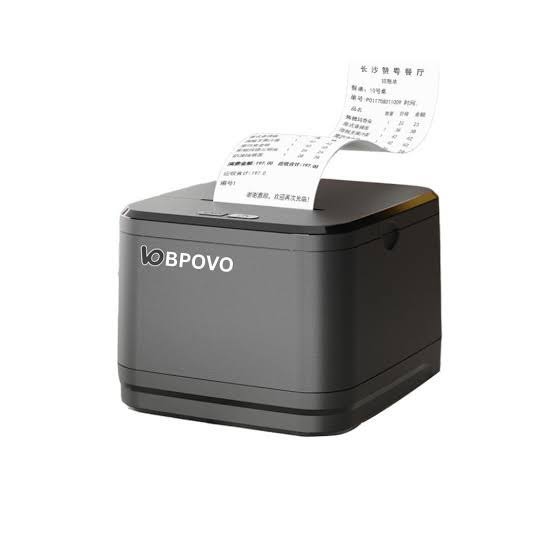
How Thermal Receipt Printers Help Reduce Printing and Maintenance Costs
Managing operational expenses is an important priority for businesses that print receipts throughout the day. Retail stores, restaurants, supermarkets, and service providers often produce hundreds or thousands of transaction records, making printing supplies, equipment maintenance, and downtime significant cost considerations. Choosing an appropriate printing system can help businesses control these expenses without compromising daily operations.
Traditional printing methods may require regular purchases of ink cartridges, toner, or other consumables. In comparison, a Thermal Receipt Printer uses heat-sensitive paper to produce receipts without conventional ink or toner when operating with direct thermal technology. This difference can reduce recurring supply expenses and simplify routine maintenance, making thermal printing a practical option for businesses with frequent receipt-printing requirements.
Understanding the Cost Structure of Receipt Printing
Before evaluating potential savings, businesses should understand the different expenses associated with receipt printing. The initial purchase price is only one part of the total cost of operating a printer.
Common cost categories include:
- Consumables: Paper rolls, ink cartridges, toner, or ribbons, depending on the printing technology.
- Maintenance: Cleaning, replacement parts, servicing, and repairs.
- Energy consumption: Electricity required to operate the equipment.
- Downtime: Lost productivity when a printer stops working or requires servicing.
- Replacement costs: Expenses associated with replacing worn-out equipment.
A printer with a low purchase price may become expensive over time if it requires frequent consumable replacements or extensive maintenance. Therefore, businesses should consider total ownership costs rather than focusing exclusively on the initial investment.
1. Eliminating the Need for Ink and Toner
One of the main financial advantages of direct thermal receipt printing is that it does not require traditional ink cartridges or toner.
Conventional inkjet and laser printers depend on consumables that must be replaced as they run out. For businesses with high transaction volumes, these recurring purchases can create considerable expenses.
Direct thermal printers use specially coated paper that changes color when exposed to controlled heat. The printing process creates text and graphics directly on the paper without applying ink.
This can help businesses:
- Reduce spending on ink and toner.
- Avoid frequent cartridge replacements.
- Simplify consumable inventory management.
- Reduce interruptions caused by depleted cartridges.
- Lower the number of supply orders required for printing operations.
Although thermal paper still needs to be purchased, removing ink and toner from the supply chain can make routine receipt printing more economical.
2. Reducing Consumable Replacement Work
Replacing ink cartridges and toner can require employee time and attention. In busy environments, these tasks may interrupt normal operations, especially when staff members need to replace supplies during peak business hours.
Direct thermal receipt printers have a simpler consumable requirement. Employees generally need to replace the paper roll when it runs out.
This straightforward process reduces the number of supply-related tasks involved in daily printing. It can also make staff training easier because employees do not need to manage multiple cartridge types or toner components.
For businesses operating several checkout counters, simplifying these procedures can save time across multiple locations.
3. Lowering Routine Maintenance Requirements
Thermal receipt printers generally have fewer consumable-related components than many traditional printing systems.
Because direct thermal printing does not use ink cartridges, toner, or complex ink delivery mechanisms, businesses can avoid maintenance tasks associated with those components.
Routine care usually focuses on keeping the printhead, platen roller, and paper path clean.
However, thermal printers are not maintenance-free. Dust, paper residue, worn rollers, and printhead damage can still affect performance. Regular cleaning and appropriate handling remain important for preventing unnecessary repairs.
A simpler maintenance routine can reduce servicing time and help employees keep equipment ready for daily use.
4. Supporting Faster Printing and Better Staff Productivity
Printing speed can influence operating costs indirectly by affecting employee productivity and customer waiting times.
At retail checkout counters, restaurants, and ticketing stations, employees need to generate transaction records quickly. Slow printing can create delays, particularly during periods of high demand.
Thermal receipt printers are designed for fast printing of short documents. Their operation can help staff complete transactions without waiting for lengthy printing cycles.
Improved workflow efficiency may contribute to lower labor-related costs because employees can spend less time handling printing delays and more time serving customers.
The actual productivity benefit depends on printer speed, transaction volume, software performance, and the overall checkout process.
5. Reducing Downtime in Daily Operations
Printer failures can interrupt transactions and create additional work for employees. A malfunctioning checkout printer may force staff to use alternative equipment, delay customer service, or temporarily change transaction procedures.
Thermal printing systems can help reduce some common sources of interruption by eliminating ink and toner replacement requirements.
Businesses can further reduce downtime by selecting equipment designed for their expected workload and following recommended maintenance procedures.
Useful practices include:
- Keeping compatible paper rolls available.
- Cleaning the printhead and paper path regularly.
- Checking connections and power supplies.
- Replacing worn components when necessary.
- Training employees to identify and resolve basic printing issues.
Preventive maintenance is generally less disruptive than waiting for equipment to fail during busy operating periods.
6. Improving Energy Efficiency
Energy consumption is another factor that contributes to the long-term cost of printing equipment.
Thermal printers use electrically heated printheads to produce output. Their energy requirements vary according to the printer design, printing speed, operating conditions, and usage patterns.
Many receipt printers are designed for intermittent transaction-based printing rather than continuous document production. This makes them suitable for environments where printing occurs throughout the day in short cycles.
Businesses should compare manufacturer specifications and consider actual operating requirements when estimating energy expenses. Choosing an appropriately sized printer can help avoid unnecessary energy consumption.
7. Reducing the Need for Complex Printing Supplies
Managing multiple types of printing supplies can create additional administrative work.
Businesses using conventional printers may need to track different ink cartridges, toner models, and replacement components. Incorrect supplies can also cause compatibility problems or unnecessary purchasing expenses.
Direct thermal receipt printing simplifies this process because the primary consumable is compatible thermal paper.
For businesses with multiple checkout stations, standardizing paper specifications can make purchasing and inventory management easier.
However, it is important to select paper that meets the printer manufacturer’s requirements. Poor-quality or incompatible thermal paper may contribute to faded output, inconsistent printing, or unnecessary printhead wear.
8. Considering Equipment Lifespan and Replacement Costs
The long-term value of a receipt printer depends partly on how reliably it operates under normal working conditions.
Factors that can influence equipment lifespan include printhead quality, daily print volume, environmental conditions, component durability, and maintenance practices.
A printer used occasionally in a small shop may experience different operating demands from one installed at a busy supermarket checkout counter.
When comparing equipment, businesses should evaluate:
- Expected daily printing volume.
- Printhead durability and replacement availability.
- Paper-loading mechanism quality.
- Manufacturer maintenance recommendations.
- Warranty coverage and technical support.
- Availability of compatible replacement components.
Selecting equipment that matches the workload can help prevent premature replacement and unexpected repair expenses.
9. Calculating the Potential Cost Savings
Businesses can make better purchasing decisions by comparing the total operating costs of different printing technologies.
A basic cost comparison should include the following categories:
| Cost Category | Traditional Ink or Toner Printing | Direct Thermal Receipt Printing |
|---|---|---|
| Printing consumables | Ink or toner and paper | Thermal paper |
| Cartridge replacement | Required | Not required |
| Toner replacement | Required for laser systems | Not required |
| Routine maintenance | Depends on printer design | Mainly printhead and paper-path care |
| Supply management | Multiple consumables may be needed | Primarily compatible paper rolls |
| Operating costs | Depend on usage and consumables | Depend on paper, energy, and maintenance |
For a more accurate comparison, businesses should calculate the cost of printing a specific number of receipts over a month or year.
For example, a company can estimate its monthly printing expenses by adding paper purchases, equipment servicing, replacement parts, and energy costs. It can then compare these figures with the expected expenses of an alternative printing system.
The result will depend on receipt volume, paper prices, equipment efficiency, and maintenance requirements. Thermal printing does not automatically guarantee lower costs in every situation, but it can offer advantages for businesses that primarily produce short receipts.
10. Choosing the Right Thermal Printer to Maximize Savings
Selecting equipment based only on its purchase price can lead to higher long-term expenses. Businesses should consider the features that directly affect operating efficiency and maintenance requirements.
Match Printing Speed to Transaction Volume
High-volume businesses should evaluate printing speed and expected daily workload. A printer that cannot handle peak demand may create delays and operational inefficiencies.
Check Paper Compatibility
Thermal paper quality affects print clarity and equipment performance. Businesses should choose suitable paper widths, roll sizes, and paper specifications.
Evaluate Connectivity Options
USB, Ethernet, Bluetooth, and Wi-Fi connectivity can support different operating environments. The appropriate option depends on the existing POS system and the location of the printer.
Consider Build Quality
A durable printer can be a better long-term investment for businesses that operate continuously or process large numbers of transactions.
Review Support and Replacement Parts
Access to technical support, replacement components, and maintenance guidance can help businesses manage repair costs and minimize downtime.
11. Best Practices for Keeping Thermal Printing Costs Low
Even an efficient printing system can become expensive if it is not used and maintained properly.
Businesses can adopt several practices to protect equipment and control recurring expenses:
- Use thermal paper that meets the manufacturer’s specifications.
- Clean the printhead regularly using approved methods.
- Avoid touching the printhead with sharp or abrasive objects.
- Store paper rolls in suitable conditions away from excessive heat and sunlight.
- Adjust receipt formatting to avoid unnecessary paper usage.
- Train employees to load paper correctly.
- Monitor print quality to identify developing problems early.
- Switch off equipment when appropriate and follow the manufacturer’s power-management recommendations.
Businesses can also review receipt layouts to remove unnecessary blank spaces, promotional content, or duplicated information. Reducing paper consumption can produce additional savings over time.
Conclusion
Thermal receipt printers can help businesses reduce printing and maintenance expenses through simpler consumable requirements, fewer cartridge-related tasks, and efficient production of short transaction documents. Direct thermal technology is particularly useful because it eliminates the need for traditional ink and toner, although businesses must still account for thermal paper, equipment maintenance, and energy consumption.
The greatest financial benefits come from selecting equipment that matches the business’s transaction volume and maintaining it correctly. By comparing total ownership costs, using compatible supplies, and following preventive maintenance practices, businesses can build a more cost-effective receipt-printing operation while maintaining reliable customer service.