
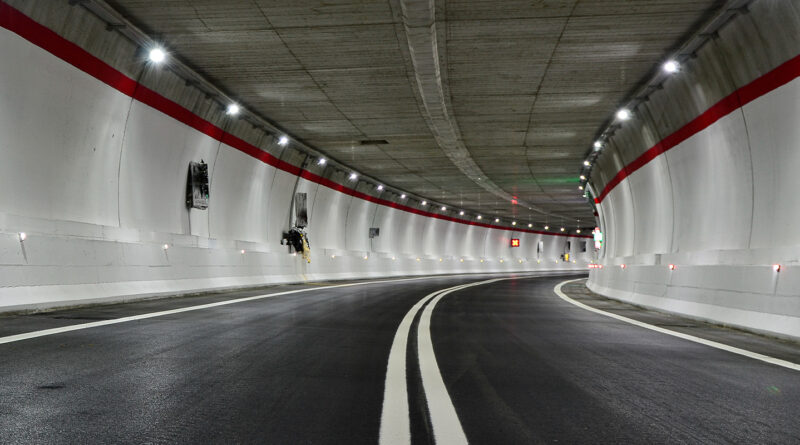
How LED Tunnel Lighting Manufacturers Address Different Tunnel Zones
Tunnel lighting is not a one-size-fits-all application. Different sections of a tunnel can have different lighting requirements depending on daylight exposure, traffic conditions, road design, and visibility needs. A well-planned system must account for these differences to provide consistent and appropriate illumination.
When evaluating an LED Tunnel Lighting Manufacturer, it is useful to understand how the manufacturer approaches each tunnel zone. Lighting equipment may need different optical distributions, power levels, and control strategies depending on whether it is installed near an entrance, in the central section, or close to an exit.
Understanding Tunnel Lighting Zones
A tunnel is commonly divided into several functional lighting zones. These can include the access or threshold area, transition zone, interior zone, and exit area.
Each zone serves a different visual purpose. Manufacturers therefore need to consider how natural daylight and changing visual conditions affect the amount and distribution of artificial light required.
Entrance and Threshold Zones
The entrance is one of the most demanding areas for tunnel lighting because drivers typically move from bright outdoor conditions into a comparatively dark environment.
Lighting in the threshold area may require higher illumination levels to help reduce the sudden contrast between the road outside and the tunnel interior. Manufacturers can design fixtures with suitable lumen output and optical distribution for this section.
Transition Zones
After the entrance, lighting requirements can gradually change as drivers adapt to lower indoor brightness. This area is commonly referred to as the transition zone.
Manufacturers may use different fixture outputs or dimming levels to create a gradual reduction in illumination. The objective is to avoid abrupt changes that could make visual adaptation more difficult.
Interior Tunnel Zones
The central section of a tunnel generally receives little or no daylight, making artificial lighting the primary source of road illumination.
In these areas, consistency becomes especially important. Fixtures should provide uniform coverage while minimizing excessive glare, dark areas, and unnecessary variations in brightness.
Exit Zones
Exit areas present another change in visual conditions because drivers begin moving toward brighter outdoor surroundings. Lighting requirements may therefore differ from those in the central tunnel.
Manufacturers can consider fixture placement, optical distribution, and control levels to maintain suitable visibility as drivers approach the exit.
Optical Design for Different Areas
Optical performance plays an important role in adapting lighting to different tunnel zones. Beam angles and light distribution patterns influence how effectively fixtures illuminate the road surface and surrounding areas.
A manufacturer may offer different optical configurations to accommodate variations in mounting height, roadway width, fixture spacing, and tunnel geometry. Selecting the appropriate distribution can help reduce wasted light and improve uniformity.
Adjustable Lighting and Control Systems
Modern tunnel lighting systems can incorporate controls that allow fixture output to change according to operating conditions. This can be particularly useful at entrances and transition areas where daylight levels vary throughout the day.
Dimming systems may also help reduce energy consumption during periods when maximum output is unnecessary. Sensors, timers, or centralized controls can be used depending on the requirements of the installation.
Considering Road and Tunnel Geometry
Tunnel dimensions can vary significantly from one project to another. Ceiling height, roadway width, number of lanes, curves, slopes, and mounting positions can all influence fixture selection.
Manufacturers need to account for these physical characteristics when determining suitable lighting arrangements. A design that works for a straight, low-ceiling tunnel may not provide the same results in a wider or curved structure.
Glare and Visual Comfort
Excessive glare can reduce visual comfort and interfere with clear observation of the roadway. This makes glare control an important consideration throughout the tunnel.
Appropriate optics, fixture positioning, shielding, and output levels can help manage unwanted brightness. Manufacturers may use photometric testing to evaluate how a fixture performs under different installation conditions.
Environmental Conditions Across Tunnel Zones
Although different zones have different lighting requirements, all tunnel fixtures must generally withstand the environment in which they are installed. Moisture, dust, vibration, temperature changes, and vehicle emissions can affect equipment over time.
The manufacturer’s choice of housing materials, sealing methods, thermal management, and electrical protection can influence fixture durability. These characteristics should be considered alongside the lighting requirements of each zone.
Maintenance and Accessibility
Maintenance planning should also be considered when designing lighting for different tunnel sections. Fixtures installed in high-output entrance areas may have different operating demands from those in interior zones.
Easy access, secure mounting, reliable electrical connections, and suitable component design can help simplify future maintenance. Planning these factors during the design stage can reduce disruption during operation.
Testing and Project Verification
Manufacturers can use photometric data, electrical testing, thermal testing, and other evaluations to verify fixture performance. For tunnel projects, these results can help determine whether products are suitable for their intended zones.
Project-specific lighting calculations are also useful for assessing illumination levels and uniformity before installation. This allows potential issues with spacing, output, or optical distribution to be identified earlier in the planning process.
Conclusion
Different tunnel zones require different approaches to lighting because drivers experience changing visual conditions throughout the journey. Entrance, transition, interior, and exit areas can therefore require variations in illumination, optics, controls, and fixture configuration.
By considering tunnel geometry, daylight exposure, glare, energy use, environmental conditions, and maintenance requirements, manufacturers can develop lighting systems that address the distinct needs of each zone. Careful zone-based planning helps create a more consistent and practical tunnel lighting installation.