
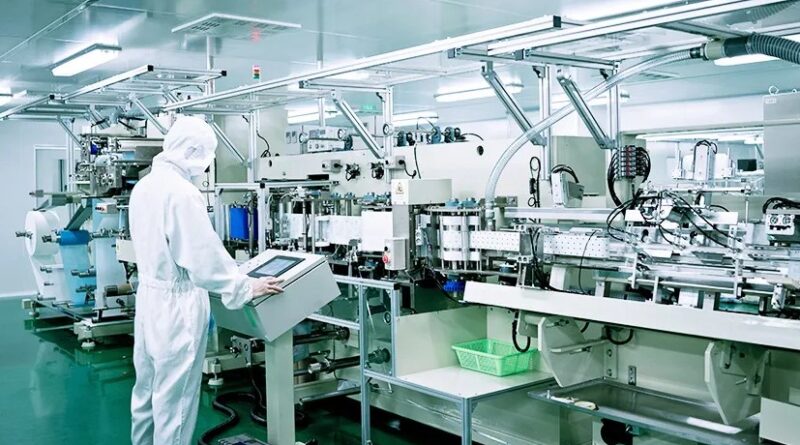
How Does a Facial Mask Manufacturer Handle Custom Mask Development?
Custom facial masks allow beauty brands to create products that match specific skin concerns, customer preferences, and market trends. Instead of relying on standard formulas, brands can work with manufacturers to develop masks with selected ingredients, materials, packaging, and product features.
A professional facial mask manufacturer typically follows a structured development process that turns an initial product concept into a finished cosmetic product. This process may involve formulation research, material selection, sample testing, production planning, quality checks, and packaging development.
Understanding the Brand’s Product Concept
Custom mask development usually starts with a detailed discussion between the beauty brand and manufacturer. The manufacturer needs to understand what the brand wants to achieve before recommending formulas or production methods.
The initial brief may cover several important areas, including:
- Target customers and market
- Intended skin benefits
- Preferred ingredients
- Mask type and material
- Desired texture and application experience
- Packaging requirements
- Target price range
- Expected production volume
Clear requirements help the development team create a product that fits the brand’s positioning rather than simply modifying an existing product.
Researching the Formula and Ingredients
Once the concept becomes clear, the manufacturer’s research and development team can begin working on the formula. The team may evaluate ingredients based on their intended cosmetic function, compatibility, stability, and suitability for the target product.
For example, a brand developing a moisturizing sheet mask may focus on ingredients commonly used to support skin hydration. Another project may emphasize ingredients selected for soothing, brightening, or skin-conditioning purposes.
Ingredient selection also requires careful consideration of regional cosmetic regulations. A manufacturer serving international brands needs to understand applicable requirements and ensure that the proposed formula meets the relevant market standards.
Selecting the Right Mask Material
The mask material affects how the product feels, holds essence, and sits on the face. Different materials offer different characteristics, so manufacturers consider the intended user experience when making a recommendation.
Common options may include nonwoven materials, cotton-based sheets, cellulose-based materials, and other specialized mask substrates.
The manufacturer may assess factors such as:
- Absorption and essence retention
- Softness and flexibility
- Facial fit
- Thickness
- Skin contact experience
- Biodegradability or material preferences
Choosing the right substrate can make a noticeable difference in how consumers experience the finished mask.
Creating and Testing Samples
After selecting a preliminary formula and material, the manufacturer develops samples for evaluation. Sampling gives the brand an opportunity to assess the product before moving toward larger-scale production.
The brand may review the mask’s appearance, fragrance, texture, fit, essence level, and overall application experience. Feedback from this stage helps the manufacturer identify areas that require adjustment.
Several rounds of samples may sometimes prove necessary. A formula might need changes to its texture, while the sheet material could require modification for improved fit or absorption.
Refining the Product Through R&D
Custom development rarely ends with the first sample. Manufacturers often use feedback from the brand to refine the formula and product specifications.
The R&D team may adjust ingredient concentrations, texture, essence viscosity, fragrance, sheet characteristics, or other technical details. Each change needs careful evaluation to maintain the intended product performance.
Nox Bellcow Cosmetics, for example, can support brands that want to develop facial mask products around specific market requirements and product concepts. A structured R&D process helps connect creative ideas with practical manufacturing requirements.
Testing for Stability and Quality
Before production begins, manufacturers need to evaluate whether the product can maintain its intended quality during storage and transportation. Testing may examine factors such as appearance, texture, odor, packaging compatibility, and formula stability.
Quality testing also helps identify potential problems before a product reaches consumers. Manufacturers may establish testing procedures according to the product type, market requirements, and applicable cosmetic standards.
This stage provides valuable information for determining whether further formula or packaging adjustments may improve the product.
Developing the Packaging
Custom mask development often includes packaging development as well. The packaging needs to protect the product while also supporting the brand’s visual identity.
Manufacturers may work with brands on pouch specifications, printed designs, labeling requirements, materials, and packaging formats. The packaging also needs to work efficiently with the manufacturing and filling process.
International brands may need packaging information that meets the labeling requirements of different markets. Early coordination can help reduce delays later in the production process.
Preparing for Mass Production
Once the formula, mask material, packaging, and specifications receive approval, the manufacturer prepares the product for larger-scale production.
Production planning may involve:
- Confirming the final formula and specifications
- Sourcing approved raw materials
- Preparing production equipment
- Confirming packaging materials
- Establishing quality control procedures
- Scheduling the manufacturing run
A clear transition from product development to manufacturing helps maintain consistency between approved samples and commercial batches.
Maintaining Quality During Production
Quality control remains important after development ends. A professional manufacturer monitors production to ensure the finished masks follow the approved specifications.
Quality checks may cover the formula, sheet material, filling quantity, packaging condition, sealing, labeling, and finished product appearance.
Consistent quality control helps brands maintain consumer confidence and reduce problems associated with inconsistent batches.
Why Communication Matters in Custom Mask Development
Strong communication can make custom development more efficient. Brands need to provide clear feedback, while manufacturers need to explain what changes may affect formulation, production, cost, or timelines.
A reliable development partner should also communicate potential limitations early. This approach helps brands make informed decisions instead of discovering technical or production challenges after development has progressed.
Regular communication becomes especially valuable when a product targets several international markets with different requirements.
Choosing a Manufacturer for Custom Facial Masks
Not every facial mask supplier offers the same level of customization. Brands should evaluate a manufacturer’s capabilities before starting development.
Important factors include:
- R&D capabilities
- Formula development experience
- Material options
- Testing and quality control
- Production capacity
- Packaging support
- Regulatory knowledge
- Communication and project management
- Experience with international markets
A manufacturer that handles development and production under coordinated processes may provide a smoother path from the original concept to the finished product.
Turning a Concept Into a Market-Ready Mask
Custom facial mask development involves much more than creating a formula. It requires coordination between research, ingredients, materials, testing, packaging, production, and quality control.
For beauty brands, working with an experienced partner can make this process more manageable. Nox Bellcow Cosmetics provides a manufacturing-focused approach that helps brands move from an initial mask concept toward a product designed around their specific requirements.
The right development process gives brands greater control over the final product while helping ensure that the mask meets practical manufacturing and market expectations.