
Shielded Cable vs Unshielded Cable: Which Should You Choose?
Choosing the right cable is essential for ensuring reliable electrical performance and efficient signal transmission. One of the most common decisions engineers, contractors, and system designers face is whether to use a Shielded Cable or an unshielded cable. While both types are designed to transmit electrical signals, they differ significantly in their ability to resist interference, environmental suitability, and overall performance. Understanding the differences between these cable types will help you select the most appropriate solution for your specific application.
What Is a Shielded Cable?
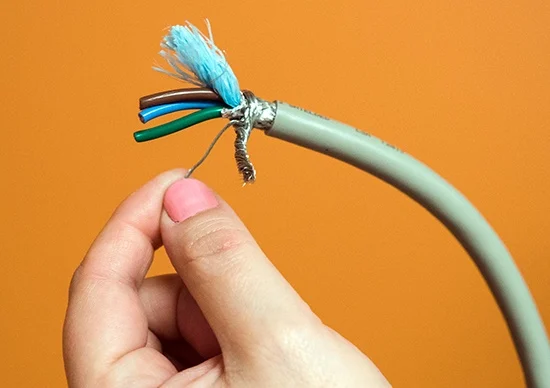
A shielded cable contains one or more insulated conductors surrounded by an additional protective layer made from braided copper, aluminum foil, or a combination of both. This shield acts as a barrier against electromagnetic interference (EMI) and radio frequency interference (RFI), protecting the signals carried inside the cable.
Shielded cables are commonly used in environments where electrical noise could interfere with communication or control signals.
What Is an Unshielded Cable?
An unshielded cable consists of insulated conductors enclosed within an outer protective jacket but does not include an additional shielding layer. These cables are generally lighter, more flexible, and less expensive than shielded cables.
Unshielded cables are suitable for installations where electromagnetic interference is minimal and signal integrity is not significantly affected by nearby electrical equipment.
Main Differences Between Shielded and Unshielded Cables
Although both cable types serve similar purposes, they perform differently under various operating conditions.
Shielded Cable
- Includes protective shielding
- Better resistance to EMI and RFI
- Higher signal reliability
- Suitable for electrically noisy environments
- Often used in industrial and automation systems
Unshielded Cable
- No additional shielding layer
- Lower cost
- Easier installation
- Greater flexibility
- Suitable for low-interference environments
The best choice depends on your project’s specific operating conditions.
Protection Against Electromagnetic Interference
One of the biggest advantages of a shielded cable is its ability to protect signals from external electrical noise. Industrial facilities often contain equipment such as:
- Electric motors
- Variable frequency drives
- Transformers
- High-voltage cables
- Welding equipment
- Heavy machinery
These devices generate electromagnetic interference that can disrupt signal transmission. A shielded cable helps prevent this interference from affecting system performance.
In contrast, unshielded cables may perform well in offices, residential buildings, or other locations where electrical noise is minimal.
Signal Quality and Reliability
Reliable communication is critical for many electrical systems. Shielded cables provide superior signal integrity by reducing external interference and minimizing signal distortion.
This results in:
- More accurate data transmission
- Fewer communication errors
- Stable control signals
- Improved equipment performance
Unshielded cables can also provide reliable performance when installed in environments with little or no electromagnetic interference.
Installation Considerations
Installation requirements differ between shielded and unshielded cables.
Shielded cables generally require:
- Proper grounding
- Careful installation techniques
- Attention to shield continuity
- Compliance with grounding practices
Unshielded cables are typically easier and faster to install because they do not require shield grounding.
For simple installations, unshielded cables often reduce labor time and installation costs.
Cost Comparison
Cost is another important factor when selecting a cable.
Shielded cables generally have:
- Higher material costs
- More complex installation
- Additional grounding requirements
Unshielded cables usually offer:
- Lower purchase price
- Reduced installation costs
- Simpler maintenance
Although shielded cables cost more initially, they often provide greater long-term value in demanding environments by reducing communication problems and maintenance expenses.
Common Applications of Shielded Cable
Shielded cables are widely used in applications where signal protection is essential.
Typical applications include:
- Industrial automation
- Process control systems
- Manufacturing equipment
- Instrumentation systems
- Medical equipment
- Broadcast systems
- Data communication
- Security systems
Their shielding ensures dependable performance even in electrically noisy environments.
Common Applications of Unshielded Cable
Unshielded cables are ideal for installations where interference is unlikely to affect performance.
They are commonly found in:
- Residential wiring
- Office communication systems
- Basic networking
- Telephone installations
- Commercial buildings
- General-purpose electrical applications
These environments typically do not generate enough electrical noise to require shielding.
Factors to Consider Before Choosing
Before selecting between shielded and unshielded cables, evaluate the following factors:
- Presence of electromagnetic interference
- Installation environment
- Required signal accuracy
- Cable routing
- Equipment sensitivity
- Installation budget
- Future maintenance needs
- Industry requirements
Carefully assessing these factors helps ensure the selected cable delivers reliable long-term performance.
Which Cable Should You Choose?
A shielded cable is the better option when your system operates in environments with high levels of electrical noise or when signal integrity is critical. It offers improved protection, reliable communication, and better overall system performance.
An unshielded cable is often sufficient for installations with minimal interference, where simplicity, flexibility, and lower costs are the primary considerations.
The right choice depends on balancing your application’s technical requirements with your project budget and operating environment.
Conclusion
When comparing a Shielded Cable with an unshielded cable, there is no one-size-fits-all solution. Shielded cables provide superior protection against electromagnetic interference, making them ideal for industrial automation, instrumentation, healthcare, and communication systems where signal reliability is essential. Unshielded cables, on the other hand, offer a cost-effective and practical solution for low-interference environments such as offices and residential buildings. By understanding your operating conditions, signal requirements, and installation environment, you can confidently choose the cable that delivers the best combination of performance, reliability, and long-term value for your project.