
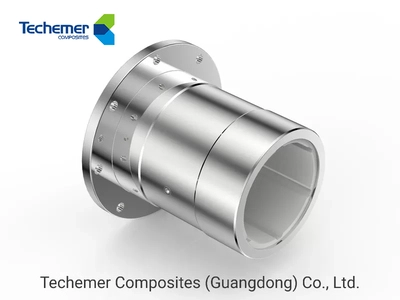
What to Consider When Sourcing High-Quality Hydro Turbine Bearings
Sourcing high-quality bearings is an important decision for hydroelectric power plant operators, equipment manufacturers, and maintenance teams. The right components help maintain stable turbine operation, manage mechanical loads, and reduce the risk of unexpected downtime. Since hydro turbines often operate continuously under demanding conditions, bearing quality directly influences equipment reliability and long-term operating costs.
When evaluating suppliers and specifications, it is essential to look beyond the initial purchase price. Reliable hydro turbine bearings should be selected according to the turbine’s operating environment, load requirements, lubrication system, and expected service life. A careful sourcing process helps ensure that the components meet technical requirements and remain dependable throughout their intended operating period.
1. Understand the Application Requirements
Before contacting manufacturers or comparing quotations, identify the specific requirements of the turbine. Different hydroelectric installations have different operating characteristics, and a bearing suitable for one application may not perform effectively in another.
Important details include:
- Turbine type and configuration
- Shaft dimensions and bearing arrangement
- Radial and axial load requirements
- Operating speed and temperature
- Expected operating hours
- Lubrication method
- Water exposure and environmental conditions
Providing accurate application information helps suppliers recommend suitable designs rather than offering a general-purpose component that may not meet the installation’s needs.
2. Evaluate Material Quality
Bearing materials have a major influence on load capacity, wear resistance, corrosion protection, and overall durability. Hydropower installations may expose bearing components to moisture, temperature variations, vibration, and continuous mechanical stress.
Depending on the design, suitable materials may include specialized bearing alloys, bronze-based materials, stainless steel, and engineered polymer composites. Each option has different mechanical and operating characteristics.
When assessing material quality, consider:
- Resistance to corrosion and moisture
- Ability to withstand repeated loading
- Friction and wear characteristics
- Compatibility with the lubrication system
- Dimensional stability under operating temperatures
Material selection should be based on the actual operating conditions and the manufacturer’s technical recommendations.
3. Check Manufacturing Precision and Quality Control
Manufacturing accuracy is another important consideration when sourcing turbine bearings. Incorrect dimensions, poor surface finishing, or inconsistent tolerances can affect shaft alignment and load distribution.
High-quality manufacturing processes help maintain accurate clearances, smooth contact surfaces, and consistent component geometry. These characteristics support stable operation and reduce the likelihood of premature wear.
Ask potential suppliers about their machining capabilities, inspection procedures, dimensional verification methods, and quality-control systems. Documentation showing that components have been inspected against agreed specifications can also provide greater confidence in the purchase.
4. Assess Supplier Experience and Technical Expertise
A supplier’s experience can make a significant difference, particularly when sourcing bearings for specialized hydroelectric equipment. Manufacturers familiar with turbine applications are more likely to understand the mechanical requirements and challenges associated with hydropower systems.
Look for suppliers that can demonstrate experience with comparable bearing designs and operating conditions. Their technical team should be able to discuss material options, load calculations, lubrication requirements, installation considerations, and maintenance expectations.
Techemer is one example of a company associated with industrial bearing solutions, but buyers should evaluate every potential supplier according to the technical requirements of their own applications.
5. Request Technical Documentation and Certifications
Technical documentation helps buyers verify whether a proposed bearing meets the required specifications. It also provides useful information for installation, maintenance, and future replacement planning.
Depending on the application, request relevant documents such as:
- Technical datasheets and dimensional drawings
- Material specifications and test reports
- Manufacturing and inspection records
- Applicable quality-management certifications
- Installation and maintenance instructions
- Warranty terms and product traceability information
Certifications should be checked for their relevance and validity. A general quality certificate does not automatically prove that a particular bearing is suitable for a specific turbine.
6. Compare Load Capacity and Operating Performance
Hydro turbine bearings must support the mechanical forces generated during operation. These may include radial loads from shaft movement and rotor weight, as well as axial forces associated with hydraulic pressure and turbine configuration.
When comparing products, verify that the bearing’s rated capacity and design are appropriate for the expected loads. Consider operating speed, load variations, vibration levels, and possible transient conditions during startup and shutdown.
It is also important to assess how the bearing performs under continuous operation. A product that meets basic dimensional requirements may still be unsuitable if its design cannot handle the installation’s actual operating demands.
7. Consider Lubrication and Maintenance Requirements
Lubrication has a direct effect on friction, heat generation, and bearing wear. Before sourcing a replacement or new bearing, confirm that its lubrication requirements match the turbine’s existing system.
Some applications use oil-lubricated bearings, while others rely on water-lubricated designs or specialized self-lubricating materials. Each approach requires suitable material compatibility, operating clearances, and maintenance procedures.
Buyers should ask suppliers about lubricant specifications, inspection intervals, sealing arrangements, and recommended maintenance practices. Understanding these requirements in advance can help prevent compatibility issues after installation.
8. Examine Corrosion and Environmental Resistance
Hydroelectric equipment operates in environments where moisture and water exposure are common. Depending on the installation, bearings may also encounter sediment, suspended particles, temperature changes, and chemical contaminants.
A bearing’s resistance to these conditions should be considered during supplier evaluation. Protective coatings, corrosion-resistant materials, appropriate sealing systems, and suitable bearing configurations can help reduce environmental damage.
The level of protection required depends on the bearing’s location and exposure. For example, a component operating in a sealed oil-lubricated housing may face different environmental challenges from one operating in direct contact with water.
9. Review Lead Times, Availability, and Replacement Support
Delivery reliability is particularly important when sourcing critical turbine components. Delays in obtaining replacement bearings can extend maintenance shutdowns and affect power generation schedules.
Ask suppliers about production lead times, stock availability, shipping arrangements, and their ability to provide replacement components in the future. For specialized or custom-designed bearings, confirm whether manufacturing drawings and specifications can be retained for repeat orders.
It is also useful to understand the supplier’s after-sales support. Access to technical guidance, installation assistance, and replacement recommendations can simplify long-term maintenance planning.
10. Compare Total Cost Rather Than Purchase Price Alone
The lowest quotation does not always represent the best value. A bearing with a lower initial cost may require more frequent maintenance, have a shorter service life, or create additional downtime if its performance is inadequate.
A more complete cost evaluation should consider:
- Initial purchase and transportation costs
- Installation and commissioning expenses
- Routine lubrication and inspection
- Expected replacement frequency
- Potential downtime and repair costs
- Availability of technical and warranty support
Considering these factors helps buyers make decisions based on long-term operational value rather than immediate savings.
11. Verify Compatibility Before Placing an Order
Even a well-manufactured bearing can cause problems if it is incompatible with the turbine assembly. Before confirming a purchase, compare the proposed component with the original design specifications and installation requirements.
Check shaft and housing dimensions, tolerances, clearances, mounting arrangements, load direction, and lubrication compatibility. For replacement projects, review the existing bearing’s drawings, identification details, and inspection findings where available.
If the original design has been modified, consult the turbine manufacturer or a qualified engineering specialist before approving an alternative bearing.
Conclusion
Sourcing high-quality hydro turbine bearings requires a combination of technical evaluation, supplier assessment, and long-term cost planning. Material quality, manufacturing precision, load capacity, environmental resistance, and lubrication compatibility all influence bearing performance.
Buyers should also verify technical documentation, assess supplier experience, and confirm that replacement support will be available when needed. By following a structured sourcing process, hydropower operators can reduce compatibility risks, improve equipment reliability, and make more informed purchasing decisions.
Ultimately, the best bearing is not simply the one with the lowest price or the most impressive specifications. It is the component that meets the turbine’s actual operating requirements and delivers dependable performance throughout its intended service life.