
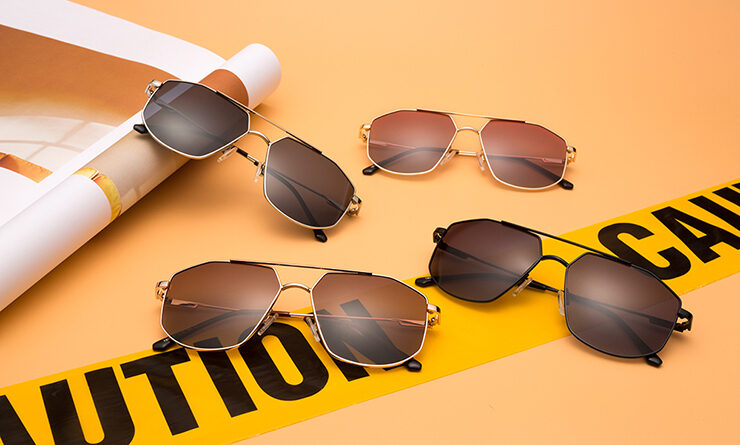
Quality Checks to Perform on Bulk Polarized Sunglasses
Quality control is one of the most important steps when purchasing sunglasses in large quantities. A product that looks appealing in a catalog may still have inconsistencies that become noticeable when hundreds of units arrive. Retailers should therefore evaluate samples and establish clear quality expectations before placing a substantial order.
When sourcing Bulk Polarized Sunglasses, buyers should examine both lens performance and frame construction. A thorough inspection can reduce returns, protect customer satisfaction, and help ensure that the final inventory meets the expected standard.
Check Lens Clarity
Start by examining each sample under good lighting. The lenses should provide a clear, undistorted view without obvious scratches, bubbles, cloudy areas, or other visible imperfections.
Look through the lenses from different angles to identify distortion. Consistent optical quality is particularly important when purchasing products intended for everyday outdoor use.
Verify Polarization
Retailers should confirm that the sunglasses are genuinely polarized rather than relying solely on product descriptions. Ask the supplier how polarization is tested and whether relevant quality-control documentation is available.
Testing samples before a bulk purchase can help identify inconsistencies between different models or production batches.
Confirm UV Protection
Polarization and ultraviolet protection are separate lens characteristics. Retailers should request clear specifications for UV protection and, where applicable, supporting test documentation.
Accurate product specifications also help retailers provide customers with reliable information when describing the sunglasses.
Inspect Lens Tint Consistency
Compare multiple pairs from the same model to see whether the lens tint is uniform. Noticeable differences between supposedly identical products may indicate inconsistent production.
Also inspect the lens coating for uneven areas, marks, peeling, or other finishing problems.
Examine Frame Alignment
Place the sunglasses on a flat surface and check whether both sides sit evenly. Misaligned frames can affect appearance, comfort, and perceived quality.
Look closely at the bridge, temples, and lens position. The two sides should generally appear symmetrical and properly assembled.
Test the Hinges
Hinges are frequently used components, so they deserve careful attention. Open and close the temples several times to check whether the movement is smooth and appropriately firm.
Hinges that feel excessively loose, stiff, or unstable may indicate construction issues that could become more noticeable with regular customer use.
Inspect Frame Finishing
Run your fingers gently along the frame to identify rough edges, sharp areas, uneven surfaces, or visible molding marks.
The finish should look consistent across the frame. Paint, coatings, logos, and other decorative elements should be properly applied without obvious defects.
Check the Nose Bridge and Nose Pads
The nose area can have a significant impact on comfort. Inspect the bridge and any nose pads for secure attachment and clean finishing.
If the collection includes different frame designs, compare how each style balances on the face and whether the construction appears suitable for extended wear.
Review Temple Construction
Inspect the temples for flexibility, alignment, and structural consistency. They should attach securely to the frame and move properly at the hinges.
Check printed or decorative details as well. Branding and markings should be clear, correctly positioned, and resistant to light handling.
Compare Multiple Samples
Testing only one pair may not provide enough information about a bulk order. Inspect several units from the same style whenever possible.
Comparing multiple samples can reveal differences in lens tint, frame alignment, finishing, or assembly that might otherwise go unnoticed.
Check Product Dimensions
Confirm that the actual measurements match the supplier’s listed specifications. Important dimensions can include lens width, bridge width, temple length, and overall frame width.
Consistent measurements are especially useful when retailers sell online and need accurate product descriptions.
Inspect Packaging
Packaging should protect the sunglasses during transportation and storage. Examine individual packaging as well as the outer cartons used for bulk shipments.
Look for sufficient protection against scratches, pressure, moisture, and movement during transit. Damaged packaging can increase the risk of receiving products that require replacement or rework.
Review Batch Consistency
If possible, compare samples from different production batches. Quality should remain reasonably consistent between shipments.
Retailers building a long-term relationship with a supplier such as Eugenia Eyewear should pay attention not only to the first order but also to how quality is maintained over time.
Ask About Quality-Control Procedures
Before committing to a large purchase, ask the supplier how products are inspected before shipment. Questions about inspection stages, defect standards, sampling procedures, and handling of rejected units can provide useful insight into manufacturing practices.
Clear quality-control processes can make bulk purchasing more predictable.
Establish Acceptable Defect Standards
Retailers should define what qualifies as an acceptable or unacceptable defect before the order is finalized. Minor cosmetic variations may be treated differently from serious structural or lens problems.
Having agreed standards in advance can make it easier to resolve quality concerns if issues appear after delivery.
Inspect the Shipment After Arrival
Quality checks should continue once the order reaches the warehouse. Open selected cartons and inspect products rather than assuming that the entire shipment matches the approved samples.
If significant problems are discovered, document them with photographs, product codes, quantities, and other relevant details. This information can help when communicating with the supplier.
Keep Quality Records
Maintaining records of product inspections can improve future purchasing decisions. Note which models performed well, which issues were discovered, and whether quality remained consistent after repeated orders.
Over time, these records can help retailers identify reliable products and suppliers while reducing the risk of repeating previous purchasing problems.
Final Thoughts
Quality checks are essential when purchasing polarized sunglasses in large quantities. Retailers should examine lens clarity, polarization, UV protection, tint consistency, frame alignment, hinges, finishing, dimensions, packaging, and overall batch consistency.
A careful inspection process before and after delivery can protect inventory investment and support customer satisfaction. By setting clear standards and working with suppliers that take quality control seriously, retailers can build a more dependable sunglasses collection and make bulk purchasing a safer long-term strategy.