
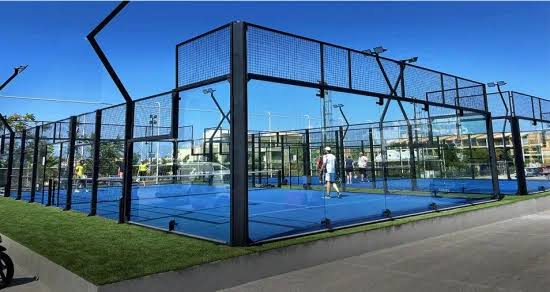
From Factory to Playing Field: How Padel Courts Are Manufactured
A finished padel court may appear straightforward once it has been installed, but producing one involves a series of carefully coordinated manufacturing and preparation stages. Structural components have to be fabricated, glass panels prepared, fencing produced, surfaces selected, and numerous smaller parts organized before everything can be transported to the installation site. The quality of each stage can influence how efficiently the final court is assembled and how it performs during everyday use.
A professional China Padel Court Manufacturer typically coordinates multiple components to create a complete court system. Understanding how these components move from design and fabrication to packaging and installation can help buyers better appreciate the complexity of the product and ask more informed questions when evaluating suppliers.
It Begins With Technical Design
Before manufacturing starts, the court must be translated into detailed technical specifications.
Engineers and designers determine the dimensions, structural configuration, connection points, glass positions, fencing arrangement, entrances, and other elements of the court.
The design stage is important because every component needs to fit together during installation. A small dimensional error in one component can create complications later when multiple parts are assembled.
Technical drawings also give installation teams a reference for understanding how the finished system should be constructed.
Selecting Suitable Raw Materials
Once the design has been finalized, appropriate raw materials need to be sourced.
Steel is used for many structural elements, while glass, mesh, artificial turf, lighting equipment, fasteners, and other materials make up the remaining court system.
Material selection should consider the intended environment and expected level of use.
For outdoor courts, weather exposure is particularly important. Materials need to be suitable for conditions such as rain, humidity, sunlight, and temperature changes.
Fabricating the Structural Frame
The structural frame is one of the first major elements to be manufactured.
Steel sections are cut according to the required dimensions and prepared for assembly. Depending on the design, components may then be welded, drilled, shaped, or otherwise processed.
Precision at this stage matters because the frame must accommodate other components such as glass and mesh panels.
Poorly aligned structural components can make installation more difficult, while consistent fabrication helps installers assemble the court according to the intended design.
Protecting Metal Components
Once structural components have been fabricated, they generally require a suitable protective treatment, particularly for outdoor applications.
Depending on the product design, manufacturers may use processes such as galvanization, powder coating, or other surface-protection methods.
The purpose is to reduce the effects of moisture and environmental exposure.
The quality of surface preparation is important as well. A coating can only provide effective protection when the underlying surface has been properly prepared.
Preparing the Glass Panels
Glass is one of the most distinctive components of a padel court.
The panels need to be manufactured and processed according to the required dimensions and safety specifications. Edges, surfaces, and other details need to be handled carefully before the glass reaches the installation stage.
Because glass is fragile during transportation even when it is designed for demanding use, packaging becomes an important part of the manufacturing process.
Protective materials and secure packing arrangements help reduce the risk of damage while the panels are moved from the factory to the project site.
Producing the Mesh Fencing
Mesh panels provide another important part of the court enclosure.
They are manufactured to appropriate dimensions and then integrated into the overall structural design. The mesh needs to be securely connected to the frame while maintaining the required playing environment.
For outdoor installations, protective surface treatments can help the mesh withstand environmental exposure.
The exact fencing configuration may vary depending on the court design and project requirements.
Preparing the Artificial Turf
Artificial turf provides the playing surface and needs to be selected according to the intended application.
Manufacturers and suppliers consider factors such as fiber construction, density, color, backing, and drainage characteristics.
The turf may be prepared in rolls or sections for transportation and later installation.
Before installation, the foundation or underlying surface needs to be properly prepared so that the finished playing area is even and stable.
Integrating the Lighting System
Lighting is often prepared as part of the overall court package, particularly for facilities that expect to operate after daylight hours.
Fixtures, supports, wiring requirements, and mounting arrangements need to be considered during the design stage.
The objective is to provide consistent visibility across the playing area.
Electrical installation itself may be handled by local contractors depending on the project, but the manufacturer can provide specifications showing how lighting components are intended to work with the court structure.
Manufacturing Access Doors
Court entrances may seem like a small detail, but they need to operate smoothly and remain secure during regular use.
Door frames, hinges, handles, locks, and other hardware need to be compatible with the surrounding structure.
Commercial facilities may experience frequent opening and closing, making reliable hardware particularly important.
Customization options may also be available depending on the manufacturer’s design.
Quality Control Before Packing
Before a court is prepared for shipment, manufacturers can inspect individual components and verify that they match the required specifications.
Quality checks may include:
- Structural dimensions
- Welding quality
- Surface finish
- Glass condition
- Mesh components
- Hardware
- Turf
- Lighting equipment
- Accessories
Checking components before shipment can help identify problems while they are still at the factory rather than after they reach the installation site.
Organizing Hundreds of Components
A complete padel court can contain a surprisingly large number of individual parts.
Structural sections, brackets, bolts, screws, glass panels, mesh, turf, lighting components, doors, and accessories all need to arrive at the site in an organized manner.
Clear labeling and packing lists can make installation much easier.
For projects involving several courts, organization becomes even more important because similar components may be supplied in large quantities.
Protecting Products During Transportation
International shipments may travel considerable distances before reaching their destination.
Steel components need to be secured so they do not move excessively during transportation. Glass requires specialized protection, while smaller hardware needs to be packaged so that it does not become lost or mixed with unrelated components.
Proper packaging can reduce the likelihood of damage and make unloading more efficient.
Preparing for Installation
Once the court arrives at the project site, the manufacturing process transitions into installation.
The site should already have the necessary foundation, drainage, access, and other preparations completed.
Installation teams can then begin assembling the structural frame, installing glass and fencing, laying the turf, and connecting other components.
Technical drawings and installation instructions can provide an important reference throughout this process.
Why Factory Precision Matters On-Site
The quality of factory fabrication has a direct relationship with installation efficiency.
If structural sections are accurately manufactured and components are clearly identified, installers can spend less time making adjustments.
This can reduce labor requirements and help projects stay closer to their planned schedules.
By contrast, poorly fabricated components may require modifications at the installation site, creating additional work and potentially affecting the finished appearance.
Custom Manufacturing for Different Projects
Not every padel project requires exactly the same specification.
A manufacturer may produce courts with different colors, branding elements, lighting arrangements, entrance configurations, and other options.
Some projects may also require several courts with identical specifications.
Custom manufacturing requires careful communication because changes need to be incorporated into technical drawings and production instructions before fabrication begins.
The Importance of Documentation
Documentation connects the factory with the installation site.
Useful documents may include technical drawings, component lists, installation instructions, maintenance information, product specifications, and warranty details.
Good documentation helps the buyer understand what has been ordered and gives installers a clear reference during construction.
It can also be useful years later when replacement parts or maintenance work are required.
What Happens After Installation?
Manufacturing may finish when the components leave the factory, but the court’s useful life depends on what happens afterward.
Routine maintenance can help protect the structure and playing surface. Operators should regularly inspect fasteners, fencing, glass, turf, drainage, and lighting.
Cleaning and preventive maintenance can also help preserve the appearance and functionality of the court.
A manufacturer that provides maintenance recommendations can make this process easier for facility operators.
Final Thoughts
A padel court is the result of many different manufacturing processes working together. From technical design and steel fabrication to glass preparation, fencing, turf production, lighting, quality control, packaging, and installation support, each stage contributes to the finished product.
For buyers, understanding this process provides useful context when comparing manufacturers. Instead of focusing only on the appearance of a completed court, it is worth asking how the components are produced, inspected, protected, and prepared for installation.
A well-organized manufacturing process can help ensure that components arrive in good condition, fit together correctly, and provide a solid foundation for long-term use. Combined with professional installation and regular maintenance, careful manufacturing can contribute significantly to the overall performance and lifespan of a padel facility.
Frequently Asked Questions
What are the main components manufactured for a padel court?
Major components include the structural frame, tempered glass panels, mesh fencing, artificial turf, access doors, lighting systems, fasteners, and various installation accessories.
Why is factory quality control important?
Factory inspections can identify dimensional errors, damaged components, surface defects, or missing parts before the products are shipped. This can reduce complications during installation.
How are padel court components protected during international shipping?
Packaging methods vary, but structural components are generally secured to reduce movement, while glass requires additional protective packaging. Smaller hardware is typically organized and packed separately.
Does manufacturing affect installation time?
Yes. Accurately fabricated and clearly labeled components can make assembly more straightforward. Poorly manufactured or incorrectly documented parts may require additional adjustments during installation.