
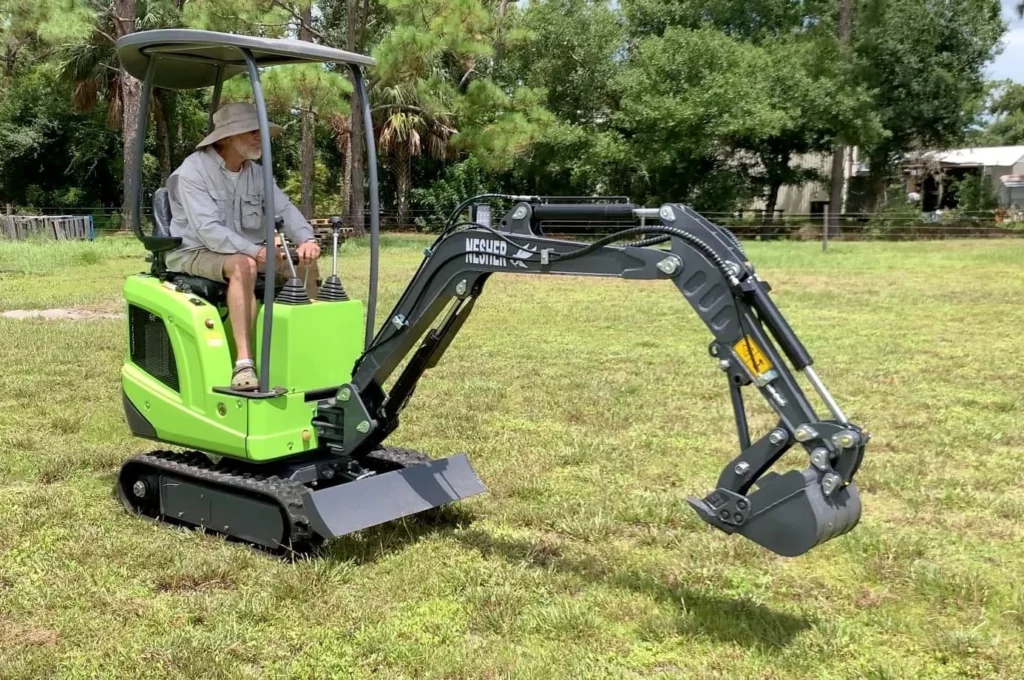
Electric Mini Excavator: Important Specifications to Review Before Buying
Selecting construction machinery requires careful attention to specifications because technical details determine how equipment can be used across different projects. Buyers who focus only on price or appearance may overlook important limitations involving access, digging range, energy requirements, attachments, and operating conditions. Reviewing the specifications systematically can help contractors make better purchasing decisions.
An electric mini excavator may provide a suitable solution for compact excavation work, but its usefulness depends on how its technical characteristics align with the business’s requirements. Before buying, contractors should compare the machine’s dimensions, operating weight, digging capability, battery system, hydraulic performance, safety provisions, and maintenance needs.
Overall Dimensions and Operating Weight
Machine dimensions influence transportation, access, maneuverability, and working clearance. Buyers should review overall width, height, length, tail swing, and any relevant configuration measurements.
These details are particularly important when the equipment will be used on residential properties, restricted construction sites, narrow pathways, or indoor projects. Contractors should compare the machine’s dimensions with typical entrances and working areas.
Operating weight also matters. It may influence transport requirements, ground pressure, stability, and suitability for different surfaces. Buyers should confirm transport weight and ensure that their trailers and transport arrangements are appropriate.
Digging Depth and Working Reach
Maximum digging depth is one of the most important specifications for excavation work. Contractors should compare it with the depth required for foundations, trenches, drainage, or other applications.
Working reach is equally important because it affects how far the excavator can work from its position. A machine with limited reach may require frequent repositioning, while a model with suitable geometry may provide greater flexibility.
Buyers should also examine dumping height, digging force, bucket capacity, and lifting capability. These specifications collectively determine how the machine can perform different tasks.
Bucket Capacity and Attachment Compatibility
Bucket capacity can influence material handling and excavation productivity. Different bucket sizes may be suitable for various tasks, but the choice should match the machine’s capabilities and the work requirements.
Contractors should determine which attachments they expect to use. Attachment compatibility may depend on mounting arrangements, hydraulic flow, pressure, weight, and other manufacturer specifications.
A machine that supports the required attachments may offer greater flexibility across projects, provided the tools are compatible and operated within approved limits.
Battery Capacity and Charging Specifications
Battery capacity is a central specification for electric equipment. Buyers should review the battery’s rated capacity and obtain information about expected operating duration under different workloads.
Charging specifications should include compatible charging equipment, required electrical supply, charging time, connection arrangements, and any installation requirements.
Battery performance may vary depending on workload, soil conditions, temperature, attachment use, and operating habits. Contractors should ask suppliers for realistic information rather than assuming that capacity alone determines the time the machine can operate.
Hydraulic Performance
Hydraulic specifications may influence the machine’s ability to operate attachments and perform excavation tasks. Buyers should review relevant flow and pressure information, especially if they plan to use tools requiring hydraulic power.
Attachment requirements should be compared with the excavator’s specifications. Using incompatible tools may affect performance or create equipment and safety concerns.
Safety Features and Operator Environment
Safety specifications should be reviewed before purchasing. Buyers may need to consider protective structures, emergency controls, warning systems, visibility, operator access, and other equipment-specific features.
The operator’s working environment also matters. Seat design, control layout, display information, legroom, and visibility can influence comfort and familiarity.
Contractors should arrange a demonstration where possible and review training requirements, operating manuals, and applicable safety standards.
Maintenance and Service Requirements
Buyers should understand maintenance intervals, inspection procedures, service requirements, warranty terms, parts availability, and technical support.
Electric equipment still requires maintenance of tracks, hydraulic components, attachments, structural parts, electrical systems, and other components. Battery-related service requirements should be reviewed carefully.
Supplier support can influence equipment availability, particularly when the machine is used regularly across several projects.
Conclusion
Important electric mini excavator specifications include dimensions, operating weight, digging depth, reach, bucket capacity, attachment compatibility, battery capacity, charging requirements, hydraulic performance, safety features, and maintenance needs. Reviewing these factors together provides a more complete understanding of the machine’s capabilities. By matching specifications to realistic project requirements, contractors can select equipment that supports their work and delivers practical value over its ownership period.