
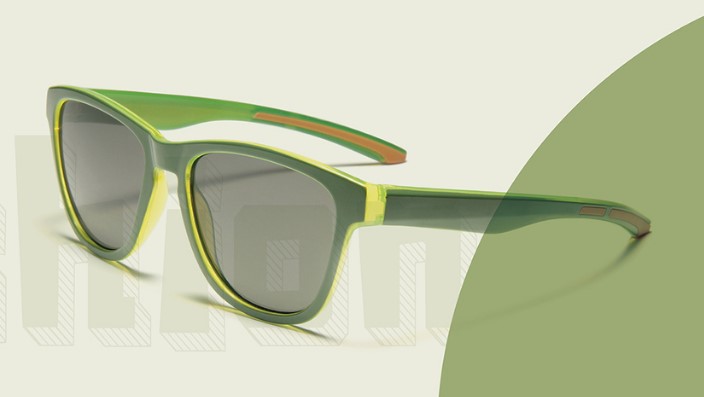
How to Choose Wholesale Men Sunglasses for a Retail Collection
Building a strong eyewear collection requires more than choosing attractive frames. Retailers need products that match customer preferences, support different face shapes, maintain consistent quality, and fit the store’s pricing strategy. The right sunglasses selection can also help create a cohesive product range.
When exploring wholesale men sunglasses, retailers should look beyond appearance and consider materials, lens performance, frame construction, sizing, and market demand. A thoughtful selection process helps reduce slow-moving inventory while giving customers more useful choices.
Understand Your Target Customers
Before placing a wholesale order, identify the customers you want to serve. Age, lifestyle, location, fashion preferences, and spending habits can all influence sunglasses purchases.
A retailer serving younger fashion-conscious shoppers may prefer bold shapes and contemporary finishes. A store targeting professionals might benefit from classic frames with clean lines and neutral colors.
Understanding your audience helps you select styles that have a stronger chance of attracting attention and generating repeat sales.
Choose Frames That Cover Popular Styles
A retail collection should offer variety without becoming difficult to manage. Instead of ordering too many unrelated designs, focus on a balanced selection of proven frame categories.
Consider including:
- Aviator sunglasses for a timeless appearance
- Wayfarer-style frames for everyday wear
- Round frames for customers who prefer softer shapes
- Square and rectangular styles for a structured look
- Sport-inspired frames for active lifestyles
A mix of classic and modern designs can make the collection appealing to different shoppers while keeping the assortment organized.
Pay Attention to Frame Materials
Frame material affects durability, weight, comfort, and overall product appearance. Retailers should understand the materials used in each style before making a purchasing decision.
Acetate frames often appeal to shoppers who want distinctive colors, patterns, and a premium feel. Metal frames can provide a lightweight appearance and a more refined design. TR90 and other lightweight materials may work well for customers who prioritize comfort.
Ask suppliers about material specifications, construction methods, and quality control procedures. These details can help you compare products more accurately.
Consider Lens Quality and Features
The lenses deserve as much attention as the frames. Customers often expect sunglasses to provide comfortable vision and protection during outdoor use.
Look for information about UV protection, lens materials, tint options, and optical clarity. Polarized lenses may appeal to shoppers who spend significant time outdoors because they can help reduce glare from reflective surfaces.
Retailers should also consider whether lens colors and finishes fit their target market. Neutral tints often provide broad appeal, while colored or gradient lenses can add a fashion-focused element to the collection.
Select the Right Frame Sizes
One frame size will not suit every customer. A successful retail assortment should accommodate different face widths and proportions.
Check frame measurements such as lens width, bridge width, and temple length when reviewing wholesale catalogs. Offering several sizes can improve the chances that customers will find a comfortable fit.
Retailers should also examine the physical samples whenever possible. Product photos alone may not reveal how a frame feels, fits, or looks from different angles.
Balance Classic and Trend-Driven Designs
Fashion trends can create opportunities, but retailers should avoid building an entire collection around short-term styles. Trend-focused sunglasses may attract attention, while classic designs can provide longer-lasting appeal.
A balanced assortment gives you room to experiment without depending entirely on unpredictable fashion cycles. Start with dependable silhouettes, then add a smaller number of distinctive designs that reflect current consumer interests.
This approach can make inventory planning more manageable while keeping the collection fresh.
Evaluate Color Options Carefully
Frame color can influence both shelf appeal and sales potential. Black, tortoiseshell, brown, gray, and metallic finishes often work well as versatile options.
You can then add selected colors that complement seasonal trends or your store’s overall visual identity.
Avoid ordering excessive quantities of every color. A supplier with a broad catalog can give retailers more flexibility to test different shades and identify which options perform best.
Check Wholesale Pricing and Minimum Orders
Price plays an important role in collection planning. Compare the wholesale price with your intended retail price, operating expenses, shipping costs, and expected margin.
Also review the supplier’s minimum order quantity. A low minimum order can help smaller retailers test new styles without committing too much capital to unproven inventory.
Ask about sample policies, bulk pricing, customization options, and reorder terms before finalizing an order. Clear purchasing terms can help prevent unexpected costs later.
Assess Supplier Reliability
The supplier you choose can affect product consistency, delivery schedules, and long-term inventory planning. Look for manufacturers or wholesalers with clear product information and established quality control processes.
Eugenia Eyewear provides retailers with access to men’s eyewear styles that can support different collection concepts. When evaluating any supplier, review its frame selection, manufacturing capabilities, communication process, and ability to maintain consistent specifications.
Reliable communication also matters when you need to discuss samples, adjustments, packaging, or future orders.
Order Samples Before a Larger Purchase
Samples provide an opportunity to evaluate sunglasses in person before committing to a larger quantity. This step can reveal details that product listings may not show.
Inspect the hinges, frame alignment, lens quality, finish, nose bridge, and overall comfort. Try the frames on different face shapes when possible.
Testing samples can also help you compare multiple suppliers and eliminate products that fail to meet your retail standards.
Build a Collection With a Clear Structure
Once you understand your customers and product requirements, organize your assortment into clear categories. This makes it easier to plan inventory and identify gaps.
For example, a collection could include everyday classics, fashion-forward frames, outdoor styles, and premium-looking designs. Each category can serve a different customer preference while contributing to a unified product range.
Keep track of sales performance after launch. Styles that sell consistently can guide future purchases, while slow-moving designs may signal the need to adjust your selection.
Final Thoughts
Choosing wholesale men’s sunglasses for a retail collection requires a balance of style, quality, comfort, pricing, and customer demand. Retailers should evaluate frames, lenses, materials, sizes, colors, and supplier reliability before placing large orders.
A well-planned collection does not need hundreds of designs. A focused assortment with dependable classics and carefully selected modern styles can provide customers with meaningful choices. Working with an experienced supplier such as Eugenia Eyewear can also make it easier to develop a consistent and commercially appealing eyewear range.