
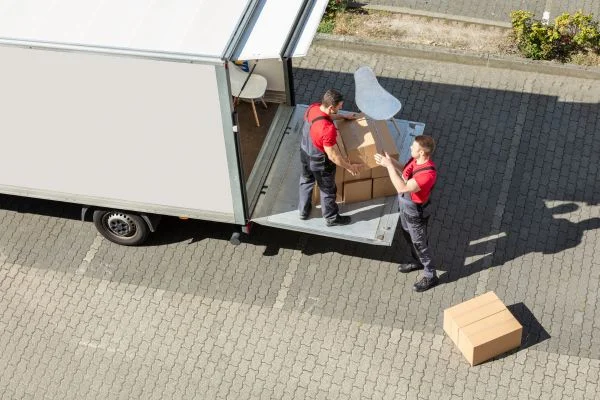
Mudanza: How to Prepare Your Home Before Moving Day
Moving day has a way of exposing every little thing you forgot to plan. A loose shelf, an overloaded cupboard, an unmarked box, or a blocked hallway can turn a straightforward relocation into a long and tiring day.
If you are preparing for a Mudanza, the work you do before the movers arrive can make a remarkable difference. Preparing the rooms, furniture, belongings, access points, and essential paperwork ahead of time helps the moving crew work efficiently and gives you more control over the day.
Why Home Preparation Matters Before a Move
Preparing your home is about more than putting possessions into cardboard boxes.
A well-prepared property gives movers clear pathways, makes loading easier, reduces unnecessary handling, and helps protect furniture and personal belongings.
It also reduces the number of decisions you need to make while people are carrying heavy items through your home.
Think of moving preparation as creating a clean working environment.
The easier it is for the moving team to reach your furniture and boxes, the smoother the loading process is likely to be.
Create a Home Preparation Checklist
Before you start, make a simple checklist for each room.
You can divide your preparation into four areas:
- Items to pack
- Items to donate or dispose of
- Furniture that needs disassembly
- Areas that need cleaning or clearing
Working room by room keeps the process manageable.
It also prevents the common situation where several rooms are half-packed but none is actually ready for moving day.
Start With Decluttering
One of the best things you can do before packing is reduce what you need to move.
There is little point spending time and money transporting belongings you no longer use.
Walk through your home and look at clothing, kitchenware, furniture, books, electronics, decorations, and storage items.
Ask yourself a simple question:
Would I buy this again today?
If the answer is no, consider whether it genuinely deserves space in your new home.
Sort Items Into Four Groups
A practical system is:
- Keep
- Sell
- Donate
- Dispose
Try not to create a large “maybe” pile.
Indecision can consume more time than packing itself.
For valuable items, give yourself enough time to sell them rather than waiting until the last day.
Useful belongings that are no longer needed can often be donated, while broken or unusable items should be disposed of responsibly.
Pack Non-Essential Items First
You do not need every possession until moving day.
Start with things you rarely use.
Good early candidates include:
- Seasonal clothing
- Books
- Decorative objects
- Guest-room belongings
- Spare bedding
- Collectibles
- Extra kitchen equipment
- Holiday decorations
Keep everyday necessities available until the final days.
This approach means your home gradually becomes ready without making daily life unnecessarily difficult.
Label Your Boxes Clearly
A box should tell you what is inside and where it belongs.
Instead of writing:
Kitchen
try:
Kitchen — Plates & Glasses — Fragile
For bedrooms, you might use:
Main Bedroom — Winter Clothing
Clear labels help movers place boxes in the correct rooms and make unpacking much easier later.
If you have many boxes, numbering them can also be useful.
You can maintain a simple list showing what each number contains.
Avoid Overloading Boxes
Heavy boxes can create problems during lifting and transportation.
Books, canned food, tools, and other dense objects should generally go into smaller boxes.
Larger containers are better suited to lightweight items such as clothing, pillows, blankets, and towels.
Make sure the bottom of each box is securely taped.
A box breaking while someone is carrying it down the stairs is exactly the kind of avoidable problem you want to prevent.
Prepare Fragile Belongings
Fragile items deserve additional attention before moving day.
Glassware, mirrors, dishes, artwork, electronics, and delicate decorations should be packed with appropriate cushioning and protection.
Use suitable materials such as:
- Bubble wrap
- Packing paper
- Protective cardboard
- Foam where appropriate
- Strong boxes
- Furniture blankets
Do not leave large empty spaces where objects can move around during transportation.
At the same time, avoid forcing too many fragile items into one box.
Clearly mark delicate boxes so everyone handling them knows they require additional care.
Prepare Large Furniture
Large furniture can slow down a move when it has not been prepared in advance.
Look at each major piece and determine whether it needs partial disassembly.
Beds, wardrobes, desks, tables, shelving units, and similar furniture may have removable components that make transportation easier.
If you remove screws, brackets, shelves, or other hardware, keep everything together in labeled bags.
For example, place all bed-frame hardware into a sealed bag labeled “Main Bed.”
Do not put hardware from several pieces of furniture into one unmarked container.
Protect Floors and Doorways
Moving heavy furniture through doorways can result in scratches, dents, or other property damage if the route is not prepared.
Clear unnecessary objects from hallways and entrances.
Where appropriate, use protective coverings on floors or vulnerable surfaces.
Pay special attention to narrow corners and door frames where large furniture may need to turn.
If you have recently renovated the property or have delicate flooring, tell the moving team before work begins.
Measure Difficult Access Points
Before moving day, check the route that large furniture will take.
Measure or assess:
- Main entrance doors
- Interior doorways
- Hallways
- Staircases
- Elevator doors
- Balcony or terrace access where relevant
Do not assume that because a piece of furniture entered the home once, it will automatically be easy to remove.
Furniture may have been assembled inside the property.
A large wardrobe, for example, may need to be partially dismantled before it can pass through a doorway.
Check Elevator Arrangements
If your property has an elevator, confirm the building’s moving procedures ahead of time.
Ask whether there are specific hours for moving furniture or restrictions on using the elevator for large items.
If building management requires advance notice, handle that before moving day.
Then communicate the information to your moving company.
This small step can prevent a crew from arriving at the wrong time and waiting unnecessarily.
Clear the Path for Movers
On moving day, the areas between your belongings and the exit should be as clear as possible.
Remove:
- Small rugs
- Toys
- Decorative objects
- Plants
- Loose cables
- Small tables
- Unnecessary chairs
- Boxes that are not ready
The objective is to create safe and straightforward paths.
Movers should not have to navigate around household clutter while carrying heavy furniture.
Prepare Appliances
Appliances often require additional preparation.
If you are moving a refrigerator, washing machine, dryer, dishwasher, or similar equipment, check the manufacturer’s guidance or ask qualified professionals about appropriate preparation.
Some appliances may require water connections to be disconnected properly.
Refrigerators may also need suitable preparation before transportation.
Do not improvise with gas or electrical connections. If a connection requires specialist handling, arrange appropriate professional assistance.
Keep Important Items Separate
Not everything should go into the moving truck.
Keep important documents, valuable personal belongings, jewelry, cash, and irreplaceable items in a secure bag that stays with you.
Important paperwork may include:
- Identification documents
- Property or rental agreements
- Financial records
- Insurance information
- School documents
- Moving-related paperwork
Having these items immediately available can save a lot of frustration later.
Prepare an Essentials Bag
Your essentials bag should contain the things you will need during the first evening and morning.
Consider including:
- Phone charger
- Toiletries
- Clean clothes
- Towels
- Basic medications
- Snacks
- Drinking water
- Toilet paper
- Basic cleaning supplies
- Important documents
- Simple kitchen items
Keep this bag separate from ordinary boxes.
You do not want to search through twenty containers after a long day just to find your toothbrush.
Handle Utilities Before Moving Day
Check the status of utilities at both properties.
Depending on the circumstances, you may need to arrange electricity, water, internet, gas, or other services.
Do not assume everything will automatically be active when you arrive.
If you are leaving a rental property, check whether you need to arrange final readings, account changes, or other administrative tasks.
Clean as You Go
Cleaning an entire home after every box has been removed can be exhausting.
Where possible, clean areas as they become empty.
For example, once a wardrobe is cleared, you can clean behind and underneath it.
An empty room is much easier to clean than one filled with furniture and boxes.
If you are renting, check your agreement for any cleaning expectations before handing the property back.
Prepare Your New Home Too
Your old home is only half of the preparation.
If possible, make sure the new property is ready before your belongings arrive.
Check that:
- Basic utilities are available
- Entryways are accessible
- Rooms are reasonably clean
- Furniture can reach the intended spaces
- Parking or loading arrangements are understood
- Necessary building permissions are handled
If the property is empty, cleaning before furniture arrives is usually much easier than doing it afterward.
Plan Where Furniture Will Go
You can save time by deciding where major furniture belongs before moving day.
Create a simple room plan.
For example:
Living room: sofa against the main wall, television unit opposite it.
Bedroom: bed centered on the appropriate wall, wardrobe near the available storage area.
This does not have to be a professional floor plan.
Even a rough sketch can help movers understand where large items should be placed.
Prepare Children and Pets
Moving day can be noisy and unpredictable.
If you have young children or pets, consider arranging for them to stay somewhere safe and away from active loading areas.
Open doors, heavy furniture, moving equipment, and people carrying boxes can create unnecessary risks.
Keeping them away from the busiest areas also allows the moving team to work without interruptions.
Take Photos Before Moving
Before large furniture is moved, consider taking photos of valuable items and their existing condition.
This can be useful for your personal records.
Photograph furniture, electronics, appliances, and other items that you particularly want to monitor.
For electronic equipment with multiple cables, a quick photo of the connections can also make reassembly easier at your new property.
A Real-Life Example
Consider someone preparing to move from a three-bedroom home.
Instead of waiting until the final weekend, they start a month ahead.
During the first week, they remove unwanted belongings. During the second, they pack seasonal items and rarely used possessions. The third week is spent packing most household goods, while the final days are reserved for everyday essentials.
They also measure their largest furniture, confirm elevator arrangements, label boxes, and prepare a separate essentials bag.
When moving day arrives, the property is already organized.
The movers can work without constantly waiting for items to be packed or pathways to be cleared.
The result is not a perfect move—real life rarely works that way—but it is a much more controlled one.
The Night Before Moving Day
The evening before the move should be about final checks, not major packing.
Walk through every room and confirm:
- Boxes are sealed
- Labels are visible
- Fragile items are identified
- Furniture is ready
- Important documents are separate
- Valuables are secure
- Essentials bag is accessible
- Hallways are clear
- Keys and property documents are ready
- Moving company details are confirmed
Charge your phone before going to bed.
It may sound obvious, but your phone is one of the most useful tools you will have during a busy relocation.
Moving Day Final Walk-Through
Before leaving the property, check every room carefully.
Look inside:
- Wardrobes
- Cabinets
- Drawers
- Storage rooms
- Kitchen cupboards
- Bathrooms
- Balconies
- Garages
- Outdoor storage areas
Small possessions are surprisingly easy to overlook when your attention is focused on large furniture.
Once the property is empty, take a final look around before handing over the keys.
Final Thoughts
Preparing your home before moving day is one of the best ways to make relocation easier.
Declutter early, pack systematically, label boxes, protect fragile belongings, prepare large furniture, clear pathways, confirm building access, and keep important items separate.
Do not wait for moving day to solve problems that can be handled beforehand.
The simplest rule to remember is this:
Make your home easy to move through before you ask anyone to move your belongings.
When the rooms are organized, the boxes are ready, the furniture has been prepared, and access arrangements are confirmed, the moving team can focus on the job instead of dealing with preventable obstacles.
A little preparation today can mean a much calmer moving day tomorrow.