
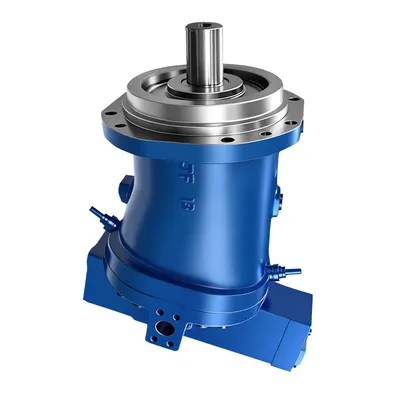
Understanding Certifications When Choosing a Piston Pump Manufacturer
Certifications can provide useful information when businesses evaluate industrial pumping equipment and potential suppliers. They can indicate that certain products, processes, or management systems have been assessed against defined standards.
When selecting a piston pump manufacturer, however, certifications should be considered alongside technical specifications, manufacturing capabilities, testing procedures, and application experience. A certificate alone does not guarantee that a particular pump is suitable for every operating environment.
What Do Certifications Mean?
A certification generally demonstrates that a product, process, or management system has been assessed against specific requirements. Depending on the certification, the assessment may involve manufacturing procedures, quality management, safety requirements, materials, or product performance.
It is important to identify exactly what the certification covers. A manufacturer’s quality-management certification, for example, is different from certification for a specific pump model or application.
Why Certifications Matter
Industrial pumps can operate under demanding conditions, so buyers need confidence in the consistency of the manufacturing process. Relevant certifications can provide additional evidence that defined procedures and requirements are being followed.
Certifications may also help businesses meet internal procurement policies, industry requirements, or regulatory obligations. They can be particularly important for projects involving strict documentation and compliance requirements.
Common Certification Areas
The certifications relevant to a piston pump purchase depend on the application, industry, and destination market. Several categories are commonly considered during supplier evaluation.
Quality Management Certifications
Quality-management standards focus on how an organization manages and controls its processes. A recognized quality-management certification can indicate that the manufacturer has established procedures for areas such as production, documentation, inspection, and continual improvement.
Buyers should verify that the certificate is current and applies to the relevant manufacturing operation.
Product and Safety Certifications
Some applications require products to meet specific safety or performance standards. Depending on the intended environment, a pump may need particular product certifications or compliance documentation.
The applicable requirements can vary by industry and region. Buyers should identify mandatory standards before selecting equipment rather than assuming that every pump requires the same certifications.
Environmental Certifications
Environmental management certifications focus on how an organization manages environmental aspects of its operations. They may be relevant when procurement policies include environmental performance or sustainability criteria.
Such certifications generally concern management systems rather than proving that a specific pump is more efficient or environmentally friendly.
Certifications vs. Compliance
Certification and compliance are related but not always identical. A product may need to comply with a particular regulation or technical requirement even when there is no formal certification associated with it.
For this reason, buyers should ask manufacturers to identify the specific standard, regulation, or requirement addressed by each document. This helps prevent confusion between general certification and application-specific compliance.
Check Certificate Validity
A certificate should not simply be accepted at face value. Verify important details such as the issuing organization, certificate number, scope, covered location, and expiration date.
The scope is especially important. A certificate may apply to a particular factory, product category, or management system rather than every product or facility associated with a company.
Ask About Product Testing
Certifications are only one part of evaluating pump quality. Buyers should also ask how individual pumps are tested before shipment.
Depending on the application, relevant checks may include pressure testing, flow verification, leakage inspection, dimensional checks, and mechanical performance testing. These tests provide information about the actual equipment being supplied.
Consider Industry-Specific Requirements
Different industries can have different technical and regulatory expectations. A pump used in a general manufacturing process may have different requirements from equipment intended for chemical processing, water treatment, or other specialized environments.
Before requesting quotations, identify the standards that apply to the specific installation. This gives manufacturers a clear basis for determining suitable configurations and documentation.
Review Materials and Traceability
For demanding applications, documentation about materials and components may also be important. Buyers may need information about material specifications, manufacturing records, inspection procedures, or traceability.
This can be particularly relevant when pumps are exposed to corrosive fluids, high pressures, elevated temperatures, or other challenging conditions.
Don’t Choose Based on Certifications Alone
A manufacturer may hold relevant certifications but still offer a pump that does not meet your application’s technical requirements. Conversely, a supplier may have suitable technical capabilities but require additional documentation for a particular project.
A complete evaluation should consider:
- Pump pressure and flow capabilities
- Fluid and material compatibility
- Manufacturing quality
- Testing procedures
- Relevant certifications
- Technical documentation
- Engineering support
- Spare-parts availability
- Maintenance and after-sales service
This broader approach provides a more realistic assessment of supplier suitability.
Ask the Right Questions
Before placing an order, buyers can ask manufacturers several practical questions:
- Which certifications apply to the manufacturing facility?
- Which certifications or compliance documents apply to the specific pump?
- Who issued the certification?
- Is the certificate currently valid?
- What products, processes, or locations are covered?
- What testing is performed on completed pumps?
- Can supporting documentation be provided with the equipment?
Clear answers can make supplier comparisons easier and help identify documentation gaps before purchase.
Consider the Destination Market
Certification requirements can vary between countries and regions. Equipment intended for export may therefore need documentation that differs from equipment supplied domestically.
Import regulations, industry standards, customer specifications, and local safety requirements should all be considered early in the procurement process. Confirming these requirements before production can help prevent delays or additional compliance work later.
Conclusion
Certifications can be valuable when choosing a piston pump manufacturer, but they should be viewed as one part of a broader supplier evaluation. Buyers should understand what each certification covers, verify its validity, and determine whether it applies to the facility, product, or management system in question.
The strongest purchasing decisions combine certification information with technical specifications, product testing, manufacturing quality, application expertise, and long-term support. This approach helps ensure that the selected piston pump meets both performance expectations and applicable compliance requirements.