
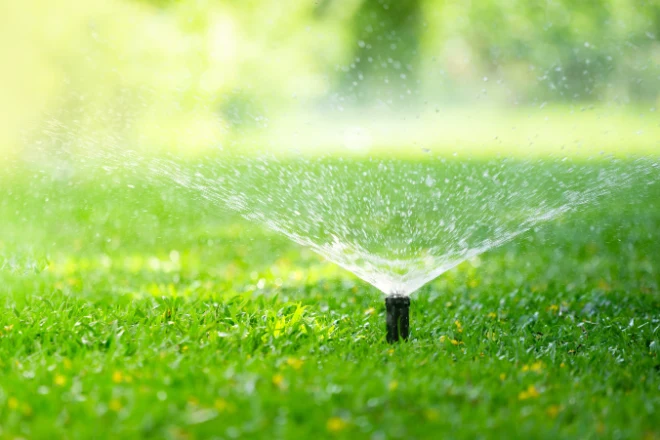
How to Choose the Right Sprinkler for Your Irrigation System
Selecting a sprinkler for an irrigation system requires more than choosing equipment based on coverage area alone. Water pressure, flow capacity, landscape or crop requirements, installation layout, and operating conditions all influence whether a sprinkler will perform effectively.
A Sprinkler Manufacturer can provide different sprinkler designs for various applications, but the final selection should be based on the specific requirements of the irrigation system. Understanding those requirements first can help prevent uneven watering, excessive water use, and compatibility problems.
Start With the Irrigation Area
Begin by assessing the area that needs irrigation. Measure the dimensions and identify its overall shape, elevation changes, planted sections, and any areas that should not receive water.
A rectangular agricultural field may require a different sprinkler arrangement from an irregularly shaped garden. Mapping the area beforehand can help determine the appropriate coverage and sprinkler spacing.
Determine Available Water Pressure
Water pressure is one of the most important factors in sprinkler selection. Every sprinkler has an operating pressure range within which it is designed to perform properly.
Insufficient pressure may result in a shorter spray distance and uneven coverage. Excessive pressure can also cause inefficient water application and place unnecessary stress on the irrigation system.
Before purchasing equipment, measure the pressure available at the point where the sprinkler system will operate.
Calculate the Required Flow Rate
The irrigation system must have enough water capacity to support the selected sprinklers. Flow rate determines how much water each sprinkler applies during operation.
If several sprinklers operate simultaneously, their combined flow requirements must remain within the capacity of the pump, pipes, and water source. Planning this carefully can prevent pressure drops and inconsistent performance.
Match the Sprinkler to the Plant Type
Different plants have different irrigation requirements. Crops, turf, ornamental plants, trees, and young seedlings may require different water application patterns.
Consider the plant’s root zone, spacing, growth stage, and sensitivity to excessive moisture. A sprinkler that works well for an open lawn may not be appropriate for closely spaced plants or individual trees.
Consider Coverage and Spray Pattern
Sprinklers are available with different spray patterns and coverage ranges. Some are designed for circular coverage, while others can provide partial or more controlled patterns.
The shape of the irrigation area should influence the sprinkler choice. Using a suitable spray pattern can reduce water being applied to paths, buildings, roads, or other areas that do not require irrigation.
Evaluate Droplet Characteristics
The size and behavior of water droplets can influence irrigation performance. Very fine droplets may be more affected by wind, while larger droplets can provide different soil and plant interactions.
Consider local weather conditions, particularly wind exposure. In areas with frequent strong winds, a sprinkler design that provides more controlled water application may be preferable.
Check Soil Conditions
Soil type affects how quickly water can infiltrate the ground. Sandy soils may allow water to move quickly through the soil profile, while heavier soils can absorb water more slowly.
Sprinkler selection and irrigation scheduling should account for these differences. Applying water too quickly can contribute to runoff, particularly where infiltration capacity is limited.
Think About Installation Layout
The sprinkler should fit naturally into the overall system layout. Consider pipe locations, sprinkler spacing, field boundaries, obstacles, elevation differences, and access for maintenance.
A well-planned layout can improve overlapping coverage and reduce areas that receive too little or too much water. It can also make future maintenance easier.
Consider Maintenance Requirements
Sprinklers operate in environments where dirt, sediment, minerals, and other particles may affect performance. Equipment should therefore be practical to inspect and maintain.
Before selecting a sprinkler, consider how easily important components can be cleaned, checked, adjusted, or replaced. Simple maintenance can help preserve performance over time.
Evaluate Durability
Outdoor irrigation equipment is exposed to moisture, sunlight, temperature changes, and physical handling. The expected operating environment should therefore be considered when evaluating sprinkler construction.
For demanding applications, pay attention to material quality, component design, resistance to environmental exposure, and expected service life.
Compare Efficiency and Operating Costs
The purchase price is only one part of the overall cost. Water consumption, maintenance, replacement frequency, energy requirements, and operating performance can all affect the long-term expense of an irrigation system.
A sprinkler that provides appropriate coverage with the available pressure and flow may offer better overall value than a cheaper option that requires system modifications or operates inefficiently.
Test Before Expanding a Large System
For larger irrigation projects, testing a small section before installing the complete system can be useful. This allows you to evaluate actual spray coverage, pressure, flow, and distribution.
Testing can reveal issues that may not be obvious from product specifications alone. Adjustments to sprinkler spacing, pressure, or operating schedules can then be made before the entire system is installed.
Final Thoughts
Choosing the right sprinkler starts with understanding the irrigation system as a whole. Pressure, flow rate, coverage, plant requirements, soil conditions, weather, layout, maintenance, and durability should all be considered before making a selection.
Rather than choosing equipment based solely on price or coverage claims, compare the sprinkler’s specifications with the actual conditions of your site. A well-matched sprinkler can help provide more consistent irrigation, reduce unnecessary water use, and support better long-term system performance.