
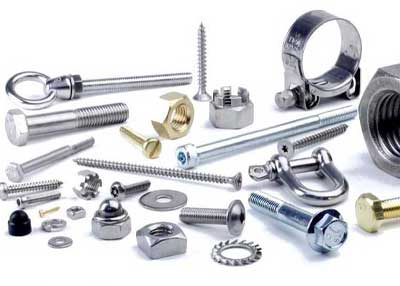
Manufacturing Processes Behind High-Performance Automotive Fasteners
Automotive fasteners may appear to be simple components, but their production involves advanced engineering and strict quality control. These small parts must provide strong, reliable connections while withstanding vibration, pressure, temperature changes, and other demanding vehicle conditions.
The manufacturing process behind Automotive Fasteners involves multiple stages, including material selection, forming, machining, heat treatment, and inspection. Each step plays an important role in ensuring fasteners meet the performance requirements of modern vehicle manufacturing.
Material Selection and Preparation
The first stage of producing high-performance fasteners is selecting suitable raw materials. Automotive applications require materials that offer strength, durability, and resistance to environmental factors.
Common material choices include:
- Carbon steel for general automotive applications
- Alloy steel for high-strength requirements
- Stainless steel for corrosion-resistant environments
Before production begins, raw materials are inspected to ensure they meet chemical and mechanical property requirements. Proper material preparation helps establish the foundation for reliable fastener performance.
Cold Forming and Hot Forging Processes
Fastener manufacturing often begins with forming processes that shape raw materials into the required design. Cold forming is commonly used for producing large quantities of fasteners with consistent dimensions and high efficiency.
Hot forging may be used when greater strength or more complex shapes are required. During this process, materials are heated and shaped under controlled conditions to improve structural properties.
These forming methods help create fasteners with strong internal structures and reliable mechanical performance.
Thread Rolling and Machining
Threads are a critical part of fastener functionality because they determine how securely components can be connected. Thread rolling creates strong and accurate threads while improving surface strength.
For specialized designs, machining processes may be used to achieve precise dimensions and customized features.
Important considerations during this stage include:
- Thread accuracy
- Surface finish quality
- Dimensional consistency
- Proper fit with mating components
Accurate thread production helps ensure easier installation and dependable connections.
Heat Treatment for Strength Improvement
Heat treatment is an important process used to enhance the mechanical properties of automotive fasteners. It improves hardness, strength, and resistance to fatigue.
Common heat treatment methods include:
- Quenching
- Tempering
- Annealing
These processes allow fasteners to withstand the repeated stress and harsh conditions experienced in automotive applications.
Surface Treatment and Coating Applications
Automotive fasteners often require surface treatments to improve corrosion resistance and durability. Protective coatings help prevent rust and extend product service life.
Common surface treatments include:
- Zinc coating
- Anti-corrosion finishes
- Specialized protective layers
The selected coating depends on the vehicle application and environmental conditions where the fastener will be used.
Quality Inspection and Testing
Quality control is essential throughout the manufacturing process. Automotive fasteners must meet strict requirements for safety and reliability, making detailed inspections necessary.
Testing procedures may include:
- Dimensional accuracy checks
- Tensile strength testing
- Hardness testing
- Surface inspection
- Performance evaluations
These inspections help ensure fasteners maintain consistent quality before being used in vehicle assembly.
Advanced Manufacturing Technologies
Modern automotive production continues to adopt advanced technologies such as automation, precision equipment, and digital quality monitoring. These improvements help manufacturers increase efficiency while maintaining strict quality standards.
Advanced manufacturing methods also support the development of specialized fasteners for electric vehicles, lightweight designs, and emerging automotive technologies.
Conclusion
The production of high-performance automotive fasteners involves a combination of advanced manufacturing processes, careful material selection, and strict quality control. Each stage, from forming and machining to heat treatment and testing, contributes to the final performance of the product.
By using precise manufacturing techniques, automotive fastener producers can deliver components that support vehicle safety, efficiency, and long-term reliability.