
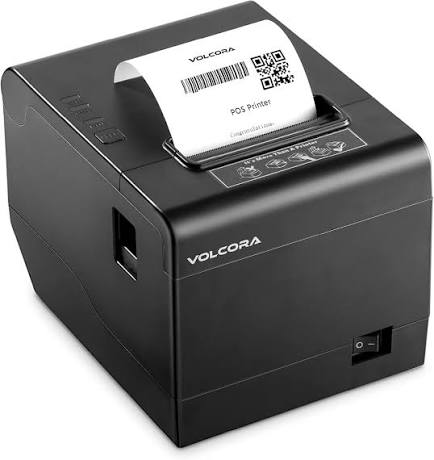
What Is a Thermal Printer and How Does It Work?
Printing technology plays an important role in modern business operations, from producing customer receipts to creating shipping labels and product identification tags. Among the available printing solutions, thermal printers have become widely used because of their speed, compact design, and relatively simple operation. They are commonly found in retail stores, restaurants, warehouses, healthcare facilities, and transportation services.
A Thermal Printer is a printing device that uses heat to create text, images, or other information on specially designed paper or compatible materials. Unlike conventional inkjet and laser printers, many thermal printing systems do not require ink cartridges or toner. Understanding how this technology works, its different types, and its practical applications can help businesses determine whether it is suitable for their printing requirements.
What Is a Thermal Printer?
A thermal printer is an electronic printing device that uses heat as its primary mechanism for producing printed output. Depending on the printing method, heat either activates a chemical coating on thermal paper or transfers ink from a ribbon onto a printing surface.
These printers are especially useful when businesses need to produce documents quickly and consistently. Their applications range from simple transaction receipts to detailed product and shipping labels.
Thermal printers are available in different sizes and configurations. Some are designed for compact checkout counters, while others are built for warehouses, industrial environments, and high-volume printing operations.
How Does a Thermal Printer Work?
The basic operation of a thermal printer involves a printhead containing small heating elements. These elements heat selected areas of the printing material according to the information sent by a computer, POS terminal, or connected device.
The exact process depends on the type of thermal printing technology being used.
The Basic Printing Process
Most thermal printing systems follow several steps:
- Receiving print instructions: A connected device sends text, graphics, barcodes, or other information to the printer.
- Processing the data: The printer’s internal controller converts the information into a format that determines which printhead elements should heat up.
- Applying heat: The printhead activates specific heating elements in a controlled pattern.
- Creating the image: The heat produces the required marks through a thermal reaction or ink transfer.
- Feeding the material: The paper or label moves through the mechanism until the requested content is printed.
This process allows thermal printers to produce output without the complex ink-delivery systems found in many conventional printers.
Main Types of Thermal Printers
Thermal printing is generally divided into two main categories: direct thermal printing and thermal transfer printing. Both use heat, but they differ in how images are created.
1. Direct Thermal Printers
Direct thermal printers use heat-sensitive paper that darkens when exposed to the printhead’s heating elements. The chemical coating reacts to create text, symbols, and graphics directly on the paper.
Because this process does not require an ink ribbon, direct thermal printers have a relatively simple consumable system.
Common applications include:
- Retail receipts
- Restaurant order tickets
- Queue and parking tickets
- Short-term shipping documents
- Transaction records
One limitation is that direct thermal output can fade over time when exposed to heat, sunlight, friction, or certain chemicals. For this reason, it may not be the best choice for documents that require long-term physical preservation.
2. Thermal Transfer Printers
Thermal transfer printers use a heated printhead to transfer ink from a ribbon onto paper, synthetic material, or another compatible surface. The ink becomes attached to the printing material, creating a durable printed image.
This technology is often used when labels need to remain readable for extended periods or withstand more demanding conditions.
Typical applications include:
- Product identification labels
- Warehouse inventory labels
- Shipping and logistics labels
- Asset tracking tags
- Industrial identification
The durability of the output depends on the ribbon, label material, and operating conditions. Different combinations are available for specific environmental and application requirements.
Key Components of a Thermal Printer
Although thermal printers are available in various designs, most contain several essential components that work together to produce printed output.
Thermal Printhead
The printhead contains small heating elements that create the required printing pattern. Its performance influences print clarity, consistency, and speed.
Regular cleaning is important because dust and paper residue can interfere with heat transfer and affect output quality.
Platen Roller
The platen roller moves the printing material through the printer while maintaining contact with the printhead. Proper alignment and movement help ensure consistent printing.
Controller Board
The controller board processes incoming print instructions and coordinates the printer’s internal operations. It manages communication between the connected device and the printing mechanism.
Paper or Ribbon Mechanism
Depending on the printer type, the material-feeding system handles thermal paper, labels, or ribbon. Correct loading is necessary to prevent paper jams and uneven output.
Connectivity Interfaces
Thermal printers may include USB, Ethernet, serial, Bluetooth, or Wi-Fi interfaces. These connections allow them to receive print instructions from computers, POS systems, and compatible mobile devices.
Advantages of Thermal Printing Technology
Thermal printers offer several practical benefits that make them suitable for everyday business applications.
Fast Printing Performance
Thermal printing can produce receipts and labels quickly, making it useful in environments where employees need to complete transactions without unnecessary delays.
Reduced Ink and Toner Requirements
Direct thermal printers do not require ink or toner cartridges. Thermal transfer models use ribbons instead, so their consumable requirements differ.
This can simplify supply management for businesses that regularly print receipts or labels.
Compact Design
Many thermal printers have relatively small footprints, allowing them to fit into checkout counters, reception desks, and other workspaces with limited room.
Convenient Maintenance
Thermal printers generally have fewer consumable components than conventional inkjet or laser printers used for similar tasks. Routine maintenance often involves cleaning the printhead, checking the paper path, and inspecting connections.
Clear Text and Barcode Output
When the correct materials and settings are used, thermal printers can produce readable text, graphics, and barcodes. This is particularly important in retail, warehousing, and logistics operations.
Common Applications of Thermal Printers
Thermal printing technology supports a wide range of industries because different models can produce various types of documents.
Retail and Point-of-Sale Systems
Retail stores use thermal receipt printers to provide customers with transaction records. These devices can connect to POS systems and print information such as product names, prices, taxes, and payment details.
Restaurants and Hospitality
Restaurants may use thermal printers to produce customer bills, kitchen order tickets, and takeaway receipts. Printing equipment can help communicate orders between service counters and kitchen areas.
Warehousing and Logistics
Thermal transfer printers are frequently used to produce shipping labels, inventory tags, and product identification labels. Durable output can help maintain readable information during storage and transportation.
Healthcare Facilities
Healthcare organizations may use thermal printing for selected administrative labels, appointment tickets, and identification materials. The required printer and media should be chosen according to the specific application and applicable recordkeeping requirements.
Transportation Services
Airports, bus terminals, parking facilities, and other transportation providers use thermal printers to produce tickets, receipts, and queue numbers.
Thermal Printers vs. Inkjet and Laser Printers
Thermal printers differ from inkjet and laser printers in their printing mechanisms, consumables, and common applications.
| Feature | Thermal Printer | Inkjet Printer | Laser Printer |
|---|---|---|---|
| Printing method | Uses heat | Sprays liquid ink | Uses toner and a heated fuser |
| Main consumables | Thermal paper or ribbon, depending on type | Ink cartridges | Toner cartridges |
| Common applications | Receipts and labels | Photos and general documents | Office documents |
| Typical design | Often compact | Available in various sizes | Often larger |
| Maintenance | Printhead and media care | Ink system maintenance | Toner and component maintenance |
Thermal printers are particularly suitable for specialized business printing tasks, while inkjet and laser printers are often better suited to general-purpose document production.
Factors to Consider When Choosing a Thermal Printer
Selecting the right printer requires an understanding of the documents, materials, and operating conditions involved.
Printing Requirements
Determine whether the printer will produce receipts, shipping labels, product tags, or another type of document. A direct thermal receipt printer may not be suitable for applications requiring durable labels.
Print Speed and Resolution
Print speed affects productivity in busy environments, while resolution determines how clearly small text, graphics, and barcodes appear.
Connectivity
Check whether the printer supports the interfaces required by your computer, POS terminal, or mobile device. Software and driver compatibility should also be confirmed.
Media Compatibility
Verify supported paper widths, roll sizes, label dimensions, and ribbon types where applicable. Using incompatible materials may affect print quality and equipment performance.
Workload and Durability
Consider the expected daily print volume, operating hours, and working environment. Review manufacturer specifications for printhead life, cutter life, and recommended duty cycle.
Technical Support
Availability of manuals, drivers, replacement parts, and technical assistance can influence long-term ownership costs and equipment reliability.
How to Maintain a Thermal Printer
Regular maintenance helps preserve print quality and reduce avoidable operating problems. Although procedures vary by model, several general practices are useful.
- Clean the printhead according to the manufacturer’s instructions.
- Remove paper dust and debris from the internal compartment.
- Use compatible thermal paper, labels, and ribbons.
- Check the paper-feeding mechanism for obstructions.
- Inspect cables and network connections periodically.
- Follow recommended procedures when clearing paper jams.
- Store consumables in suitable conditions away from excessive heat and moisture.
Employees should also receive basic training on paper loading and troubleshooting. Correct handling can prevent unnecessary wear and reduce interruptions.
The Future of Thermal Printing
Thermal printing continues to develop alongside changes in retail technology, logistics, and digital business systems. Wireless connectivity, improved printhead design, cloud-based management, and more flexible software integration are influencing the development of modern printing equipment.
Businesses are also paying greater attention to energy efficiency, consumable management, and sustainable packaging. In connected environments, secure communication and centralized device monitoring may become increasingly important.
These developments are likely to make thermal printing systems more adaptable to different workflows. However, the most suitable technology will still depend on the specific printing task and the conditions in which the equipment operates.
Conclusion
A thermal printer is a practical printing solution that uses heat to produce text, images, receipts, and labels. Its two main technologies, direct thermal and thermal transfer, serve different purposes depending on the required output and durability.
With advantages such as fast printing, reduced ink requirements in direct thermal applications, and compact designs, thermal printers are widely used across retail, hospitality, logistics, healthcare, and transportation. By understanding how the technology works and evaluating factors such as media compatibility, connectivity, speed, and maintenance, businesses can select equipment that supports their everyday printing requirements.