
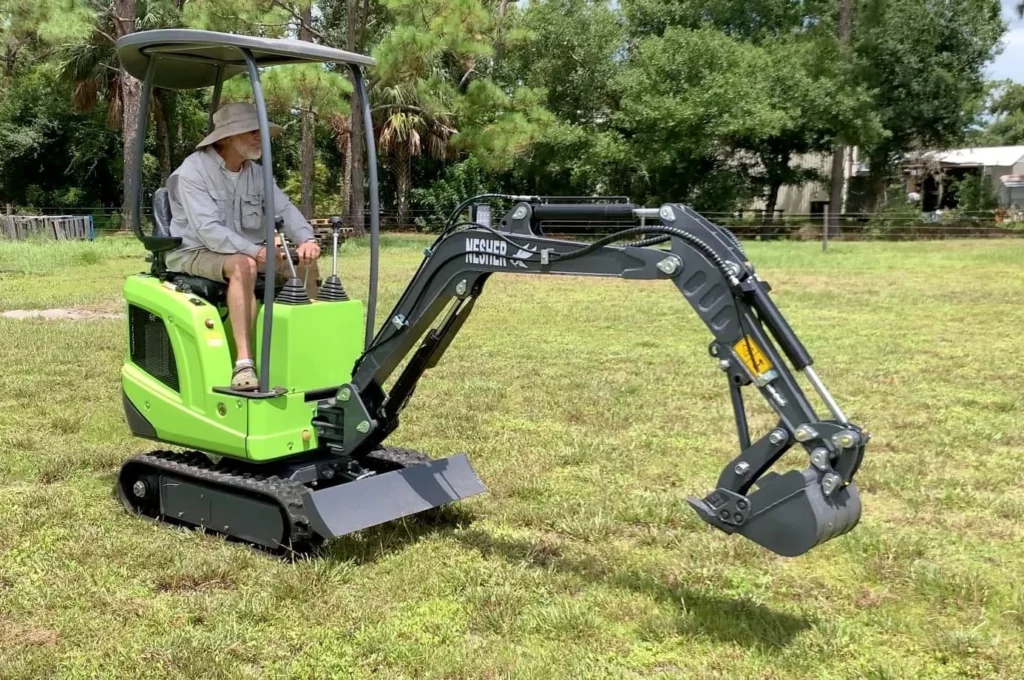
Electric Mini Excavator for Sale for Noise-Sensitive Work Environments
Noise management is an important consideration for construction activities performed near people, occupied buildings, or locations where surrounding activities need to continue with minimal disruption. Contractors may work beside residential properties, offices, educational facilities, healthcare environments, commercial premises, or other noise-sensitive areas. Equipment selection and scheduling can influence the impact of construction activity on nearby occupants and workers.
When evaluating an electric mini excavator for sale, contractors working in noise-sensitive locations may consider whether battery-powered operation offers suitable noise characteristics for their projects. Electric machines may operate more quietly than certain comparable conventional equipment, but the actual noise level depends on the machine, attachments, digging activity, ground conditions, and operating methods. Buyers should assess the complete work environment rather than assume that electric equipment eliminates noise concerns.
Understanding Sources of Construction Noise
Construction noise does not come from a single source. Excavators may generate sound through machine functions, tracks, hydraulic systems, contact with soil, attachments, movement, and material handling.
Noise may also arise from other equipment operating nearby, transport vehicles, generators, and the construction activity itself. Therefore, evaluating the excavator’s noise characteristics alone may not provide a complete picture of the site’s overall sound environment.
Contractors should identify the main noise sources and determine which activities are most likely to affect nearby occupants. This can help guide equipment selection, work sequencing, and noise management measures.
Reviewing Electric Machine Characteristics
Battery-powered excavators do not rely on conventional combustion engines during normal electric operation. This may reduce certain sources of machine noise, although other operating components continue to produce sound.
Buyers should request available noise specifications and clarify the conditions under which measurements were taken. Comparing equipment using consistent information can provide a more useful basis for evaluation.
The contractor should also consider the type of excavation. Digging in hard or compacted ground may produce different noise characteristics from work involving softer materials. Attachment use and repeated movement may also affect the overall sound level.
Considering Residential and Occupied Sites
Residential construction and renovation projects may involve work close to homes, gardens, shared pathways, or occupied neighbouring properties.
Contractors should review local requirements, project restrictions, and permitted working hours. They may need to coordinate with property owners, occupants, or site managers to explain the work and establish suitable schedules.
An electric mini excavator may be considered for selected activities where its noise characteristics are advantageous. However, work planning, communication, and appropriate controls remain important even when quieter equipment is used.
Planning Work Around Sensitive Activities
Noise-sensitive sites may have particular periods when excavation is more disruptive. For example, certain locations may have operating hours, scheduled activities, or times when occupants require reduced disturbance.
Contractors can plan excavation activities around these constraints where practical. Work sequencing may allow noisy tasks to be completed during approved periods while other activities take place at different times.
Planning can also reduce unnecessary machine operation. Preparing materials, confirming measurements, organising tools, and establishing excavation layouts before equipment starts may help avoid excessive idle time or repeated movements.
Evaluating the Complete Equipment Package
Noise should not be the only selection criterion. The machine must also provide suitable digging capability, reach, dimensions, operating weight, and battery performance.
Contractors should ensure that the equipment can perform the intended task efficiently. Selecting a machine that is quiet but insufficiently capable may increase working time and create additional disruption.
A suitable machine should be assessed against the complete application, including access, charging, operator training, service support, and project scheduling.
Managing Operator Practices
Operator behaviour can influence noise and productivity. Unnecessary idling, repeated repositioning, inefficient digging methods, and unsuitable attachment use may increase the duration of construction activity.
Training and clear work instructions can help operators use equipment appropriately. Contractors should also establish procedures for inspection, communication, and safe operation around nearby occupants or pedestrians.
Charging and Site Logistics
Electric equipment requires appropriate charging arrangements. Contractors should confirm the electrical supply, charging compatibility, and charging duration.
Noise-sensitive projects may also have restrictions on charging locations or electrical installations. Charging should be planned in a designated area that meets relevant safety requirements and does not create additional hazards or disruption.
Conclusion
Electric mini excavators may be worth considering for noise-sensitive projects where their operating characteristics suit the site. However, the overall noise impact depends on machine functions, excavation activity, attachments, work scheduling, and surrounding conditions. Contractors who combine equipment evaluation with practical noise management, operator training, and careful planning can make more informed decisions and help reduce unnecessary disruption during construction work.