
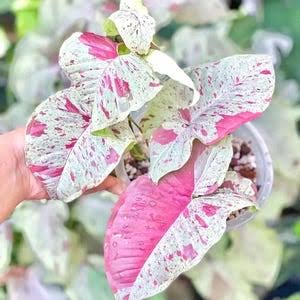
Important Factors Affecting the Price of Philodendron Tissue Culture Plants for Sale
Philodendron plants have become valuable products in the ornamental horticulture market because of their attractive foliage, diverse cultivars, and popularity among indoor gardeners and plant collectors. From familiar green varieties to rare variegated selections, these plants are cultivated by nurseries and commercial growers to meet different customer preferences. Tissue culture has become an important propagation method for producing Philodendrons in larger quantities under controlled conditions.
However, the price of tissue culture plants can vary significantly between suppliers and varieties. Buyers researching Philodendron Tissue Culture for Sale should understand that pricing depends on more than the plant’s appearance or botanical name. Factors such as cultivar demand, production costs, development stage, order quantity, quality standards, and shipping arrangements all influence the final purchasing cost.
1. Philodendron Variety and Market Demand
<AsyncImage query=”Philodendron Pink Princess White Princess White Knight variegated ornamental plants collection” aspectRatio=”16:9″ width=”100%”/>
The variety is one of the main factors affecting the price of Philodendron tissue culture plants. Different cultivars have different levels of popularity, availability, and propagation requirements.
Common green varieties may be easier to source in larger quantities, while distinctive variegated cultivars can attract higher prices because of collector interest and limited availability.
Examples include:
- Philodendron Pink Princess: Known for dark green leaves with pink variegation.
- Philodendron White Princess: Recognized for white or cream markings on green foliage.
- Philodendron White Knight: Features dark leaves, white variegation, and reddish stems.
- Philodendron Florida Beauty: Appreciated for its distinctive lobed leaves and variegated patterns.
- Philodendron Gloriosum: Valued for large, heart-shaped leaves and prominent pale veins.
- Philodendron Melanochrysum: Popular for elongated, velvety foliage.
The market price of these varieties can change as availability and demand shift. Buyers should compare current quotations rather than assuming that a particular cultivar always has a fixed price.
2. Availability of Parent Plant Material
The quality and availability of starting plant material influence tissue culture production costs.
Propagation begins with selected plant material that must be suitable for laboratory establishment. Producers need healthy source plants with reliable identification and desirable characteristics.
Some varieties may have more readily available source material, while others require additional effort to obtain and maintain suitable parent plants.
The availability of appropriate starting material can affect:
- Initial laboratory establishment.
- Production scheduling.
- Multiplication efficiency.
- Batch size and consistency.
- Overall production expenses.
When suitable source material is limited, production may become more expensive or take longer to organize.
3. Tissue Culture Production Costs
<AsyncImage query=”modern plant tissue culture laboratory shelves glass vessels tropical plant propagation” aspectRatio=”16:9″ width=”100%”/>
Tissue culture requires specialized facilities, trained workers, laboratory equipment, and carefully prepared growing media. These requirements contribute to the final price of each plantlet.
Laboratory Equipment and Facilities
Producers need suitable workspaces, sterilization equipment, culture containers, and environmental controls. Maintaining these facilities involves operating and maintenance expenses.
Nutrient Media and Supplies
Plant tissues grow in specially prepared media containing nutrients and other components required for development. The cost of media preparation and laboratory supplies forms part of the production budget.
Labor and Technical Expertise
Tissue culture involves careful handling, monitoring, and transferring of plant material. Skilled workers are needed to maintain sterile conditions and manage different stages of propagation.
Energy and Operating Expenses
Laboratories may require electricity for lighting, ventilation, environmental controls, and equipment. These operating costs can influence production expenses over time.
Suppliers with efficient production systems may manage these costs differently from smaller facilities with limited production capacity.
4. Plant Development Stage
The development stage of a Philodendron tissue culture plant has a direct effect on its price.
Suppliers may offer plants in several forms, and each requires a different amount of production time and care.
| Plant Stage | Description | General Price Consideration |
|---|---|---|
| In-vitro plantlets | Growing inside sealed laboratory containers | Often lower initial unit cost |
| Rooted plantlets | Developed roots and shoots | May involve additional production time |
| Acclimatized plants | Adapted to nursery conditions | Includes acclimatization work |
| Established young plants | More developed specimens | May cost more due to additional growing time |
In-vitro plantlets may have a lower purchase price, but buyers need suitable facilities and experience to manage their transfer and acclimatization.
Acclimatized plants may cost more because the supplier has already invested time and resources in helping them adapt to normal growing conditions.
5. Plant Quality and Uniformity
<AsyncImage query=”healthy uniform young Philodendron plants green leaves nursery propagation trays” aspectRatio=”16:9″ width=”100%”/>
Plant quality is another important factor in determining price. Buyers should evaluate the condition of plantlets rather than comparing quotations based only on quantity.
High-quality plants generally show healthy development appropriate to their stage, suitable root formation, and no obvious signs of contamination or physical damage.
Quality considerations include:
- Leaf condition and development.
- Stem strength and appearance.
- Root development.
- Correct variety identification.
- Absence of visible contamination.
- Consistency between plants in the same batch.
Producing and selecting plants that meet specific quality standards may require additional monitoring and inspection. As a result, carefully graded plant material may have a different price from ungraded stock.
6. Propagation Efficiency and Production Yield
Not all Philodendron varieties multiply at the same rate under tissue culture conditions. Differences in growth behavior and laboratory response can influence the number of usable plantlets produced from a batch.
Some cultivars may establish readily and produce shoots efficiently. Others may require more careful adjustments to the culture medium and growing conditions.
Production efficiency affects:
- The time required to multiply plants.
- The number of usable plantlets per batch.
- Laboratory space requirements.
- Labor and material consumption.
- The availability of finished products.
When propagation is more difficult or yields are lower, the cost of producing each saleable plant may increase.
7. Order Quantity and Wholesale Pricing
The number of plants purchased can influence the unit price offered by a supplier.
Wholesale buyers often order larger quantities because they need stock for retail sales, nursery production, or distribution. Larger orders may allow suppliers to organize production and packaging more efficiently.
However, minimum order quantities and discounts vary between businesses.
Before purchasing, ask suppliers about:
- Minimum order requirements.
- Price differences between small and bulk orders.
- Availability of mixed-variety orders.
- Discounts for repeat purchases.
- Production lead times for larger quantities.
Buyers should also consider whether they have enough space and resources to handle the entire shipment successfully.
8. Packaging and Handling Requirements
<AsyncImage query=”small tissue culture plantlets securely packed in transparent containers for shipping” aspectRatio=”16:9″ width=”100%”/>
Philodendron tissue culture plants require suitable packaging to protect them during transportation. The packaging method depends on whether plants are shipped in sealed culture containers, trays, or nursery pots.
Additional packaging requirements may increase the overall purchasing cost.
Important considerations include:
Protective Containers
Culture vessels and trays should be protected against movement, breakage, and leakage.
Temperature Management
Some shipments may require additional consideration of temperature exposure during storage and transportation.
Handling and Preparation
Preparing plants for shipment takes time and labor, especially when orders contain several varieties or different plant stages.
Packaging Materials
Protective materials and suitable cartons can add to the total cost, but they help reduce the risk of damage during transit.
9. Shipping Distance and Transportation Method
The distance between the supplier and buyer can significantly affect the final cost.
Domestic orders may involve relatively straightforward transportation, while international shipments can require specialized logistics and additional documentation.
Shipping costs depend on:
- Origin and destination.
- Shipment weight and volume.
- Transportation method.
- Transit time.
- Handling requirements.
- Customs and inspection procedures.
Air freight may be suitable for time-sensitive live plant shipments, although it can be more expensive than some alternatives.
Buyers should request a complete shipping quotation instead of considering only the plant price.
10. Import Regulations and Documentation
International buyers may need to meet plant health and import requirements before receiving Philodendron tissue culture material.
Depending on the countries involved and the form of plant material, requirements may include phytosanitary certificates, import permits, inspections, or other documentation.
These procedures can add administrative and handling costs to an order.
Before purchasing, buyers should contact the relevant plant protection authority in their destination country to confirm current requirements. They should also ask the supplier which documents it can provide.
Failure to prepare the required paperwork may result in delays, additional charges, or rejected shipments.
11. Supplier Experience and Production Capacity
The supplier’s experience and production capacity can influence pricing and product availability.
An established tissue culture producer may have specialized laboratory facilities, trained technicians, and organized quality-control procedures. These capabilities require investment but can support more consistent production.
When comparing suppliers, consider:
- Experience with ornamental plant propagation.
- Ability to produce the requested Philodendron varieties.
- Laboratory and nursery facilities.
- Quality inspection procedures.
- Production capacity.
- Communication and customer support.
- Ability to manage repeat orders.
A lower quotation from an inexperienced supplier may not offer the same product specifications or reliability as a more established producer.
Businesses such as Young Plants operate within the tissue culture plant supply market, where variety selection, production capabilities, and product quality are important considerations for buyers.
12. Market Trends and Seasonal Demand
Plant prices can change according to market conditions. Popularity among collectors, availability from competing suppliers, and changes in consumer preferences can influence demand for specific Philodendron varieties.
For example, a cultivar that becomes popular on social media or among specialist collectors may experience increased demand. If production cannot expand quickly enough, its price may rise.
Seasonal purchasing patterns can also affect availability and shipping arrangements. Nurseries should monitor supplier stock levels and plan orders according to their expected sales periods.
13. Customization and Special Order Requirements
Some buyers require specific plant sizes, quantities, varieties, or packaging arrangements. These customized requirements may involve additional production or preparation work.
Examples include:
- Requests for particular Philodendron cultivars.
- Specific plant development stages.
- Special labeling requirements.
- Mixed-variety wholesale orders.
- Customized packaging arrangements.
- Scheduled deliveries for nursery production.
Before confirming a customized order, buyers should ask whether additional charges apply and request a written quotation covering all agreed specifications.
How to Compare Philodendron Tissue Culture Plant Prices
Comparing suppliers is easier when buyers use consistent product specifications. A quotation for small in-vitro plantlets should not be compared directly with one for acclimatized plants.
Use the following checklist when reviewing supplier offers:
| Comparison Factor | Questions to Ask |
|---|---|
| Variety | Is the cultivar correctly identified? |
| Plant stage | Are plants in-vitro, rooted, or acclimatized? |
| Quality | What condition and inspection standards apply? |
| Quantity | What is the minimum order? |
| Packaging | What protection is included? |
| Shipping | Are transportation costs included? |
| Documentation | Which plant health documents are available? |
| Support | Are handling instructions provided? |
A clear comparison helps buyers understand what is included in each quotation and identify the option that offers the best overall value.
Tips for Managing Tissue Culture Plant Purchasing Costs
Nurseries and collectors can take several practical steps to manage their purchasing budgets without compromising plant quality.
Plan Orders in Advance
Early planning gives buyers more time to compare suppliers, check availability, and coordinate delivery.
Choose Suitable Plant Stages
Select plantlets according to the facilities and experience available. Paying more for acclimatized plants may be worthwhile if the buyer lacks suitable facilities for handling in-vitro material.
Consolidate Orders When Practical
Combining several varieties into one shipment may help reduce certain transportation and handling expenses, depending on supplier arrangements.
Request Samples
A small sample order can help assess plant quality and packaging before committing to a larger purchase.
Calculate Total Landed Cost
Include plant prices, freight, documentation, customs charges, and expected acclimatization expenses when preparing a budget.
Conclusion
The price of Philodendron tissue culture plants is influenced by several connected factors, including variety, market demand, starting material, production costs, plant development stage, and quality standards. Order quantity, packaging, transportation, import requirements, and supplier capabilities also contribute to the final purchasing expense.
Buyers should compare quotations using consistent product specifications and consider the complete cost of receiving and growing the plants. By understanding these pricing factors, nurseries, collectors, and wholesale buyers can make more informed purchasing decisions and select Philodendron tissue culture plants that match their quality expectations and budgets.