
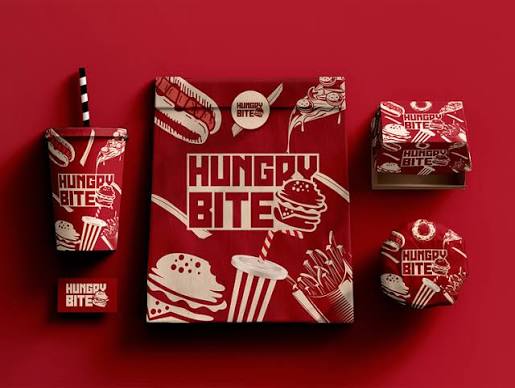
Key Factors to Consider When Selecting a Reliable Fast Food Packaging Solution
Selecting the right packaging is an important decision for restaurants, takeaway outlets, and quick-service businesses. Packaging affects how food is protected, presented, stored, and transported. A poorly selected container can lead to leakage, damaged meals, reduced food quality, and customer dissatisfaction. For businesses handling large numbers of orders every day, these problems can also increase operating costs.
Choosing reliable Fast Food Packaging requires evaluating several factors, including material quality, durability, food safety, container design, and supplier reliability. The ideal solution should match the restaurant’s menu requirements while providing convenience for employees and customers. Understanding these considerations makes it easier to select packaging that supports efficient operations and consistent service.
1. Material Quality and Food Safety
Material quality should be one of the first considerations when selecting food packaging. Containers must be suitable for their intended food-contact applications and should not negatively affect the food’s quality.
Different materials offer different performance characteristics. Paperboard is commonly used for takeaway cartons, kraft paper is suitable for various bags and wrappers, and plastic containers can provide moisture resistance for selected applications.
Before purchasing, businesses should check:
- Food-contact safety specifications.
- Material composition and thickness.
- Suitability for hot or cold foods.
- Grease and moisture resistance.
- Relevant regulatory compliance documentation.
Choosing appropriate materials helps restaurants maintain hygienic packaging practices and protect meals during handling.
2. Durability and Structural Strength
Packaging must remain stable throughout preparation, storage, and transportation. Weak containers can bend, tear, or collapse when filled with food, especially when employees stack multiple orders.
Durable packaging should have a strong base, reliable folding structures, and sufficient thickness for its intended purpose.
For example, a pizza box needs enough rigidity to support a large food product, while a burger box should maintain its shape without compressing the ingredients.
Restaurants should test samples with actual menu items to determine whether the packaging can withstand ordinary handling conditions.
3. Grease and Moisture Resistance
Many fast food products contain oil, sauces, dressings, or other moisture-rich ingredients. If packaging absorbs excessive grease or moisture, it may become weak and uncomfortable to handle.
Grease-resistant materials and suitable protective coatings can help reduce these problems.
Moisture management is equally important. Fried foods may require ventilation to release excess steam, while meals containing sauces generally need secure containers that reduce leakage.
Businesses should select packaging according to the specific characteristics of their food products rather than assuming that one material works equally well for every menu item.
4. Appropriate Size and Capacity
Container dimensions directly influence food presentation and transportation. Packaging that is too small may compress ingredients, while oversized containers can allow food to move around during delivery.
The right size should accommodate the food portion comfortably without excessive empty space.
Consider these factors when selecting dimensions:
- Food length, width, and height.
- Portion size and serving quantity.
- Space required for toppings and sauces.
- Whether different ingredients need separation.
- Storage and stacking requirements.
Offering several container sizes can help restaurants accommodate different menu portions without unnecessary material consumption.
5. Packaging Design and Functionality
A reliable packaging solution should be easy to assemble, fill, close, carry, and open. Practical design features can improve kitchen efficiency and customer convenience.
Important design elements include secure lids, folding tabs, stable bases, ventilation openings, and easy-access structures.
Compartmentalized containers are also useful for combination meals because they keep separate ingredients organized.
Restaurants should evaluate whether a design suits their service style, particularly if they handle large takeaway volumes or delivery orders.
6. Temperature Suitability
Food is served at different temperatures, and packaging must be appropriate for the intended application.
Hot meals may require materials that maintain their structure under serving conditions. Cold foods need containers suitable for refrigerated storage and transportation.
Ventilation is another important consideration. Fried products may benefit from airflow, while certain meals need more enclosed packaging to retain moisture and prevent spills.
Businesses should review manufacturer specifications instead of assuming that every container is suitable for both hot and cold foods.
7. Sustainability and Environmental Impact
Environmental considerations are becoming increasingly important in packaging decisions. Restaurants are exploring alternatives that reduce unnecessary waste and support more responsible material use.
Common options include:
- Recyclable paperboard.
- Kraft paper packaging.
- Containers made with recycled fibers.
- Certified compostable materials.
- Lightweight packaging designs.
However, environmental performance depends on material composition, manufacturing processes, coatings, and local disposal facilities.
For example, paper packaging with certain coatings or heavy food contamination may not be accepted by local recycling programs. Businesses should verify environmental claims and disposal instructions before selecting a product.
8. Customization and Branding Opportunities
Packaging is also a communication tool that allows restaurants to create a recognizable identity.
Custom printing can include logos, brand colors, product names, promotional messages, and contact information. Consistent packaging designs help customers recognize a business across takeaway and delivery orders.
When considering customization, restaurants should evaluate:
- Printing quality.
- Color consistency.
- Logo placement.
- Available packaging shapes and sizes.
- Minimum customization quantities.
- Production timelines.
Branding should improve visual appeal without affecting food safety or the container’s practical performance.
9. Cost and Overall Value
Price is an important purchasing factor, especially for restaurants that order packaging in large quantities. However, choosing the cheapest option may create additional expenses if containers frequently fail or damage food.
Businesses should compare overall value rather than focusing only on the unit price.
Factors to consider include material quality, durability, storage requirements, transportation expenses, customization costs, and order quantities.
Reliable packaging may have a higher initial price but can help reduce product damage, leakage, and packaging-related complaints.
10. Supplier Reliability and Manufacturing Capabilities
A dependable packaging supplier is essential for maintaining consistent product quality and avoiding supply interruptions.
Restaurants should evaluate suppliers based on their product range, manufacturing capacity, quality control procedures, and ability to meet delivery schedules.
Before establishing a long-term relationship, businesses should ask about:
- Product samples and specifications.
- Material safety documentation.
- Custom printing services.
- Minimum order quantities.
- Production lead times.
- Quality inspection procedures.
- Packaging and shipping arrangements.
Clear communication with suppliers helps restaurants plan purchases and manage inventory more effectively.
11. Storage and Inventory Management
Packaging should be easy to store without occupying excessive space or becoming damaged before use.
Flat-packed containers and stackable designs can help restaurants organize their storage areas. Materials should also be protected from moisture, dust, and other conditions that could affect their cleanliness or performance.
Businesses with multiple menu categories should organize packaging by size and application. This makes it easier for employees to select the correct container during busy service periods.
Maintaining accurate inventory records can also prevent shortages and unnecessary bulk purchases.
12. Performance During Delivery
Packaging should be evaluated under realistic transportation conditions, not just while sitting on a kitchen counter.
During delivery, food containers may experience movement, stacking pressure, temperature changes, and repeated handling.
Restaurants should check whether containers remain closed, maintain their shape, and protect food from shifting.
Testing packaging inside actual delivery bags can reveal problems that might not be obvious during initial inspection.
13. Ease of Disposal and Customer Convenience
Customers increasingly appreciate packaging that is easy to handle after a meal. Containers should open without excessive effort and provide clear information about disposal when appropriate.
Simple recycling or composting instructions can help customers understand how to manage packaging waste.
Businesses should ensure that disposal information matches the actual material composition and the waste management facilities available in their area.
How to Evaluate a Fast Food Packaging Solution Before Buying
Before placing a large order, restaurants should follow a structured evaluation process.
Step 1: Identify Menu Requirements
List the main food products and determine their portion sizes, temperatures, moisture levels, and transportation requirements.
Step 2: Request Product Samples
Obtain samples from potential suppliers and compare their materials, construction, and dimensions.
Step 3: Conduct Practical Food Tests
Fill containers with actual menu items. Check for leakage, grease penetration, structural weakness, and changes in food presentation.
Step 4: Simulate Delivery Conditions
Stack and carry the packed meals to determine whether the packaging remains secure during ordinary transportation.
Step 5: Compare Total Costs
Review unit prices alongside durability, storage requirements, customization expenses, and expected order quantities.
Step 6: Verify Supplier Documentation
Check product specifications, food-contact suitability, relevant certifications, and quality control information.
This process helps businesses identify packaging that meets both practical and commercial requirements.
Why Choosing the Right Packaging Partner Matters
A capable packaging manufacturer can help restaurants find products suited to different menu categories and operating conditions. Manufacturers with varied product ranges and customization capabilities can provide more flexibility when businesses introduce new meals or update their packaging designs.
Uchampak is one brand in the food packaging industry that businesses can consider when exploring takeaway packaging options. Reviewing product specifications, sample quality, and manufacturing capabilities can help restaurants determine whether a supplier meets their requirements.
Building a dependable supplier relationship also supports consistent purchasing, better production planning, and smoother inventory management.
Conclusion
Selecting a reliable fast food packaging solution requires careful consideration of material quality, durability, food safety, moisture resistance, design, and transportation performance. Restaurants should also evaluate sustainability, customization, cost, and supplier reliability before making purchasing decisions.
The best packaging is not necessarily the most expensive or visually attractive option. It is the solution that matches the food being served, protects meals throughout the delivery process, and supports efficient restaurant operations.
By testing samples, comparing product specifications, and working with dependable manufacturers, food businesses can make informed packaging choices that improve customer satisfaction and support long-term growth.