
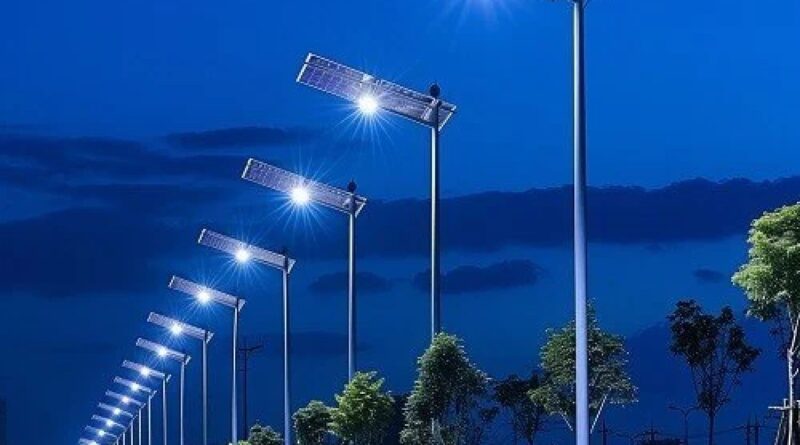
How a Top Solar Street Light Brand Ensures Long-Term Reliability and Energy Savings
Solar street lights are becoming an important part of modern outdoor lighting infrastructure. Municipalities, commercial property developers, road contractors, and industrial facilities increasingly use solar-powered lighting to reduce electricity expenses and support sustainable development. However, the success of these installations depends on more than simply using renewable energy. Long-term reliability requires carefully selected components, efficient system design, strict quality control, and effective maintenance support.
A Top Solar Street Light Brand focuses on these factors to deliver lighting systems that perform consistently under different environmental conditions while making efficient use of stored solar energy. From advanced battery technology to intelligent lighting controls, several design and manufacturing practices contribute to dependable operation and long-term savings.
Understanding these factors helps buyers make informed purchasing decisions and select solar street lights that provide lasting value.
1. Using High-Quality Solar Panels for Consistent Energy Generation
Solar panels are the foundation of every solar street lighting system. They convert sunlight into electricity, which is stored in the battery for nighttime operation. The quality and capacity of the panels directly affect how much energy the system can collect.
Reliable manufacturers select solar panels according to the energy requirements of the complete lighting system.
Important considerations include:
- Solar cell efficiency: Efficient photovoltaic cells can generate more electricity from a limited installation area.
- Panel capacity: The rated power must be sufficient to meet daily energy requirements.
- Weather resistance: Panels should withstand outdoor exposure, including rain, dust, and temperature changes.
- Long-term performance: Quality materials and manufacturing processes help maintain energy generation over time.
- Installation compatibility: Panel orientation and mounting arrangements should support effective sunlight exposure.
Correct system sizing is equally important. A panel that is too small may not fully recharge the battery, particularly during periods of reduced sunlight. Proper planning helps maintain sufficient energy reserves throughout the year.
2. Selecting Durable Battery Technology
Battery performance is one of the most important factors influencing solar street light reliability.
The battery stores energy generated during the day and supplies electricity to the LED fixture after sunset. If the battery has insufficient capacity or poor durability, the lighting system may fail to provide the required operating hours.
Many modern solar street lights use lithium iron phosphate (LiFePO4) batteries because of their cycle-life potential, thermal stability, and suitability for repeated charging and discharging.
A reliable battery selection process considers:
- Battery chemistry and rated capacity.
- Usable energy storage.
- Charge and discharge efficiency.
- Cycle-life performance under specified conditions.
- Operating temperature range.
- Battery protection features.
- Replacement availability.
Manufacturers should also provide clear information about battery warranties and expected replacement requirements.
A properly selected battery helps maintain nighttime illumination while reducing the frequency of component replacement.
3. Integrating Intelligent Battery Management Systems
High-quality batteries require suitable protection to maintain safe and consistent operation.
A battery management system (BMS) monitors battery conditions and helps prevent operating situations that may damage the cells.
Depending on the design, a BMS may provide:
- Overcharge protection.
- Over-discharge protection.
- Overcurrent protection.
- Short-circuit protection.
- Temperature monitoring.
- Cell balancing.
These functions help maintain appropriate operating conditions and support battery longevity.
For buyers, checking the BMS specifications is important because battery capacity alone does not indicate overall battery quality. The protection system, charging characteristics, and compatibility with the solar controller also influence performance.
4. Choosing Efficient LED Lighting Components
LED technology allows solar street lights to deliver useful illumination with relatively low power consumption.
An efficient LED system produces more light from the available electrical energy, helping the battery support longer operating periods.
However, energy efficiency is not determined by LED chips alone. The complete fixture design also matters.
Important factors include:
Luminous efficacy: This measures the amount of light produced per watt of electrical power.
Optical distribution: Proper lenses and reflectors direct light toward the required road or public-space areas.
Color temperature: The selected color temperature should suit the application and local lighting requirements.
Thermal management: Effective heat dissipation helps prevent excessive operating temperatures that may affect LED performance.
Component quality: Reliable LED modules and drivers contribute to consistent lighting output.
Manufacturers should provide photometric data and technical specifications so buyers can assess actual lighting performance instead of relying only on advertised wattage.
5. Applying Intelligent Energy Management
A well-designed solar street light must balance available stored energy with nighttime lighting requirements.
Intelligent controllers help regulate charging, battery discharge, and lighting operation. Depending on the system, they may include programmable schedules, brightness adjustment, and energy-saving functions.
For example, a fixture may operate at a higher brightness level during busy evening hours and reduce output during periods of lower activity.
Common energy management features include:
- Automatic dusk-to-dawn operation.
- Scheduled brightness adjustment.
- Battery-level monitoring.
- Low-voltage protection.
- Motion-activated lighting.
- Adjustable operating modes.
These functions can reduce unnecessary energy consumption and help preserve battery capacity.
However, dimming schedules should be designed carefully to maintain the illumination levels required for road safety and public visibility.
6. Designing Effective Thermal Management
Temperature has a significant effect on the performance and service life of solar street lighting components.
High temperatures can accelerate battery aging and place additional stress on electronic components. LED modules also generate heat during operation, making effective thermal management essential.
Reliable manufacturers consider heat dissipation when designing the fixture housing and internal component arrangement.
Common design approaches include:
- Aluminum housings that help transfer heat.
- Optimized heat sink structures.
- Suitable spacing between electronic components.
- Temperature monitoring and protection.
- Battery placement that limits excessive heat exposure.
For projects in hot climates, buyers should review the manufacturer’s operating temperature specifications and request information about battery thermal protection.
A system designed for local environmental conditions is more likely to maintain stable performance over its intended service life.
7. Ensuring Strong Weather and Environmental Protection
Solar street lights operate outdoors throughout the year. They must withstand rain, dust, humidity, sunlight, wind, and potentially corrosive environmental conditions.
A durable product should use suitable materials and protective construction methods.
Key features to evaluate include:
IP Protection Rating
The Ingress Protection rating indicates how effectively an enclosure protects against solid particles and water. Buyers should verify the rating for the relevant fixture and external electrical components.
Corrosion Resistance
Protective coatings, suitable aluminum alloys, and corrosion-resistant fasteners can help extend the service life of outdoor lighting equipment.
Structural Strength
Poles, brackets, and mounting hardware must be appropriate for the installation height and expected wind loads.
Sealed Connections
Properly designed cable connections, gaskets, and enclosure seals help reduce the risk of moisture entering sensitive components.
Environmental protection is particularly important for installations in coastal areas, industrial locations, and regions with heavy rainfall or dust.
8. Maintaining Consistent Manufacturing Quality
Even well-designed solar street lights can experience problems if manufacturing quality is inconsistent.
A dependable manufacturer should have established procedures for inspecting components, controlling assembly processes, and testing finished products.
Quality assurance may cover:
- Incoming solar panel inspections.
- Battery and controller verification.
- LED module testing.
- Electrical safety checks.
- Waterproofing inspections.
- Charging and operating tests.
- Final product inspection.
For large procurement projects, buyers should ask about factory quality management procedures and request relevant inspection records.
Consistency between production batches is especially important for contractors and distributors handling repeat orders.
9. Using Smart Monitoring to Reduce Maintenance Costs
Remote monitoring technology can improve the management of large solar street lighting installations.
Connected systems may allow operators to check the operating status of individual fixtures through a centralized platform.
Depending on the available hardware and software, monitoring features can include:
- Battery status information.
- Charging performance.
- Lighting operation records.
- Fault notifications.
- Remote brightness adjustment.
- Maintenance alerts.
These functions can help maintenance teams identify problems earlier and prioritize service visits.
For example, a system that reports abnormal battery performance may allow technicians to investigate an issue before the fixture stops operating.
However, remote monitoring is not included in every solar street light. Buyers should verify the communication technology, software compatibility, network requirements, and any ongoing service charges.
10. Providing Replaceable Components and Spare Parts
Long-term reliability also depends on how easily a product can be maintained.
Solar street lights contain several components with different operating lives. Batteries, controllers, LED modules, and other parts may eventually require replacement.
A modular product design can make maintenance easier by allowing technicians to replace individual components instead of removing the complete lighting unit.
Before purchasing, buyers should confirm:
- Which components are replaceable.
- Whether replacement parts are readily available.
- Whether technical manuals are provided.
- Whether the manufacturer offers repair guidance.
- How warranty claims are handled.
- Whether compatible components will remain available.
Access to spare parts can reduce maintenance delays and help control the long-term cost of large lighting installations.
11. How Solar Street Lights Generate Long-Term Energy Savings
Energy savings are a major reason organizations consider solar-powered street lighting.
Because solar street lights generate electricity independently, they can reduce or eliminate the grid electricity required for the fixtures themselves.
The financial benefits may include:
Lower electricity expenses: Solar energy reduces dependence on purchased grid electricity during normal operation.
Reduced cable infrastructure: Standalone systems can avoid some underground cabling and grid connection expenses.
Flexible installation: Lighting can be installed in locations where extending electrical infrastructure would be difficult or costly.
Intelligent energy management: Dimming and motion detection can reduce unnecessary power consumption.
Predictable maintenance planning: Quality components and accessible replacement parts can help control servicing expenses.
However, solar street lights involve an initial equipment and installation investment. A realistic financial assessment should include panel and battery replacement, cleaning, inspections, and other maintenance costs.
12. The Importance of Correct System Sizing
Even high-quality components cannot guarantee reliable operation if the solar street light is incorrectly sized.
The system must generate and store enough energy to meet the required nighttime lighting schedule under expected environmental conditions.
Project designers should consider:
- Daily operating hours.
- LED power consumption.
- Local solar radiation.
- Seasonal weather patterns.
- Required battery autonomy.
- Solar panel capacity.
- Battery usable capacity.
- Expected energy losses.
For example, a location with frequent cloudy weather may need additional battery storage or greater solar panel capacity to maintain consistent nighttime illumination.
Contractors should also assess pole height, spacing, road width, and optical distribution. Lighting calculations can help ensure that energy efficiency does not come at the expense of visibility or safety.
13. How Buyers Can Evaluate a Manufacturer’s Reliability
Importers, distributors, and project contractors should assess more than a manufacturer’s product catalogue when choosing a supplier.
A structured evaluation can help identify companies capable of delivering consistent quality and long-term support.
Consider the following:
| Evaluation Area | What Buyers Should Check |
|---|---|
| Product components | Solar panel, battery, LED, and controller specifications |
| Quality assurance | Manufacturing inspections and product testing |
| Environmental protection | IP rating, corrosion resistance, and temperature limits |
| Certifications | Relevant product certifications and test reports |
| Warranty | Coverage for individual components and clear claim procedures |
| Production capacity | Ability to meet project quantities and delivery schedules |
| Technical support | Installation guidance and troubleshooting assistance |
| Spare parts | Availability of replacement components |
Requesting samples and arranging pre-shipment inspections can provide additional confidence before committing to a large order.
Conclusion
Long-term reliability and energy savings in solar street lighting depend on the combined performance of solar panels, batteries, LED components, controllers, and protective enclosures. Intelligent energy management, effective thermal design, consistent manufacturing quality, and accessible replacement parts also play important roles.
A dependable manufacturer focuses on the complete lighting system rather than individual specifications or low initial prices. For buyers, evaluating technical documentation, environmental suitability, warranty coverage, and after-sales support can help reduce procurement risks.
By selecting appropriately designed solar street lights and ensuring correct system sizing, municipalities, contractors, and distributors can achieve reliable outdoor illumination while reducing dependence on conventional electricity and controlling long-term operating costs.