
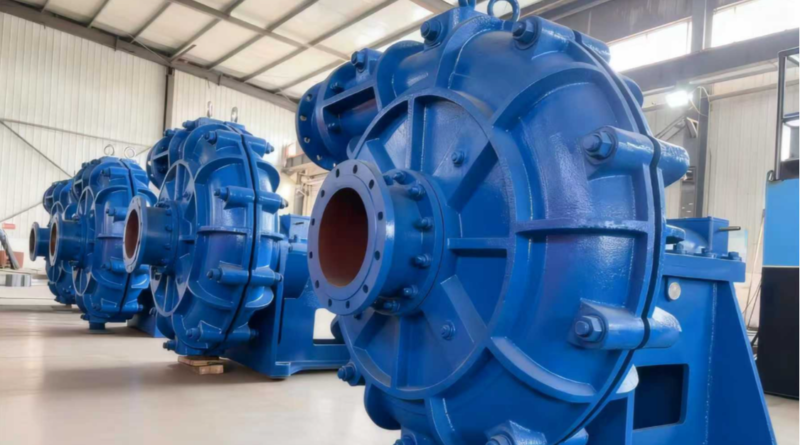
Common Centrifugal Slurry Pump Problems and Their Solutions
Slurry pumping systems operate under demanding conditions because they transport liquids containing suspended solid particles. Abrasion, high material density, changing flow conditions, and improper operation can all affect pump performance and service life.
A centrifugal slurry pump is designed to handle these challenging conditions, but even well-selected equipment can experience problems when operating conditions change or maintenance is neglected. Understanding common issues can help operators identify problems early and reduce unnecessary downtime.
Excessive Wear of Pump Components
Abrasive solids gradually wear components that come into contact with the slurry. Impellers, casings, liners, and other wetted parts can become thinner or damaged over time.
Solution
Monitor wear components regularly and establish inspection intervals based on actual operating conditions. Pay particular attention to applications involving high concentrations of hard or angular particles.
Selecting appropriate wear-resistant materials and operating the pump within its intended range can also help extend component life.
Reduced Flow Rate
A noticeable reduction in flow may indicate several problems rather than a single mechanical fault. Blocked suction lines, worn impellers, pipeline restrictions, or changes in slurry concentration can all affect capacity.
Solution
Check the suction and discharge systems for restrictions first. Compare current operating conditions with the original design requirements and inspect internal components if external causes have been eliminated.
Changes in slurry density or solids concentration should also be investigated, as they can alter the pump’s hydraulic performance.
Low Discharge Pressure
Low discharge pressure can occur when the pump is not operating at its intended speed or when internal components have become excessively worn.
Solution
Verify pump speed, valve positions, and system conditions. Inspect the impeller and other hydraulic components for wear or damage.
It is also important to check whether the actual system head has changed. Pipeline modifications or unexpected restrictions can alter the operating point.
Excessive Vibration
Vibration can indicate mechanical or hydraulic problems. Misalignment, worn bearings, an unbalanced impeller, cavitation, or operation away from the preferred operating range may contribute to excessive vibration.
Solution
Inspect the pump and drive system for alignment problems and mechanical looseness. Check bearings and coupling components for signs of damage.
The suction system should also be evaluated for adequate inlet conditions. If vibration occurs mainly at certain flow rates, compare the operating point with the pump’s performance range.
Cavitation
Cavitation occurs when local pressure falls below the liquid’s vapor pressure, producing vapor bubbles that collapse as pressure increases. This can cause noise, vibration, reduced performance, and damage to internal surfaces.
Solution
Check the available suction pressure and ensure that the system provides sufficient net positive suction head. Avoid unnecessary restrictions in the suction line and verify that valves are fully open where required.
Maintaining suitable suction conditions is especially important when pumping hot slurry or operating with changing tank levels.
Seal Leakage
Mechanical seals or other shaft sealing arrangements can develop leaks due to wear, improper installation, excessive vibration, or unsuitable operating conditions.
Solution
Inspect the sealing system and identify whether leakage is caused by normal wear or an underlying mechanical problem. Correct shaft alignment and excessive vibration before installing replacement sealing components.
The seal arrangement should also be appropriate for the slurry characteristics and operating temperature.
Motor Overload
A motor can draw excessive current when the pump operates under conditions requiring more power than expected. High slurry density, excessive flow, mechanical friction, or an incorrect pump operating point can contribute to overload.
Solution
Measure the actual operating conditions and compare them with the pump and motor specifications. Check slurry specific gravity and concentration, as increased density can raise power requirements.
Avoid operating the pump significantly outside its intended range and verify that the drive system is correctly sized for the application.
Blockage or Restricted Flow
Large solids, settled material, or foreign objects can restrict flow through the suction or discharge system. Slurry that remains stationary for extended periods can also settle inside pipelines or equipment.
Solution
Check the system for accumulated solids and remove restrictions using appropriate procedures. Where settling is a recurring problem, review pipeline velocity and operating practices.
The pump’s maximum allowable particle size should also be compared with the actual solids being transported.
Short Component Service Life
Frequent replacement of wear parts can indicate that the problem is not simply component quality. Incorrect pump selection, excessive solids concentration, unsuitable operating conditions, or operation far from the preferred duty point can all accelerate wear.
Solution
Review the complete application rather than repeatedly replacing individual components. Check flow, head, slurry concentration, particle size, pump speed, and material compatibility.
Optimizing operating conditions can often provide a greater improvement in service life than changing wear components alone.
Preventive Maintenance Practices
Regular maintenance can help identify developing problems before they result in unexpected shutdowns.
Useful practices include:
- Monitoring vibration and unusual operating noise
- Checking flow and discharge pressure
- Inspecting wear components at planned intervals
- Checking bearings and lubrication systems
- Reviewing seal condition
- Monitoring motor current
- Inspecting suction and discharge piping
- Recording operating conditions and maintenance history
Keeping accurate records makes it easier to identify gradual changes in pump performance.
When to Investigate the Entire System
Some pump problems are caused by conditions outside the pump itself. Pipeline changes, variations in slurry composition, fluctuating tank levels, valve settings, and changes in production requirements can all affect operation.
For recurring problems, investigate the pump and the complete pumping system together. This approach can help identify the underlying cause instead of treating symptoms repeatedly.
Final Thoughts
Common centrifugal slurry pump problems include excessive wear, reduced flow, vibration, cavitation, seal leakage, motor overload, and blockages. Many of these issues can be minimized through correct pump selection, suitable operating conditions, and consistent preventive maintenance.
When a problem occurs, checking the complete system and comparing actual conditions with design requirements is often more effective than replacing components immediately. Early detection and systematic troubleshooting can help improve reliability, extend component life, and reduce unexpected maintenance downtime.