
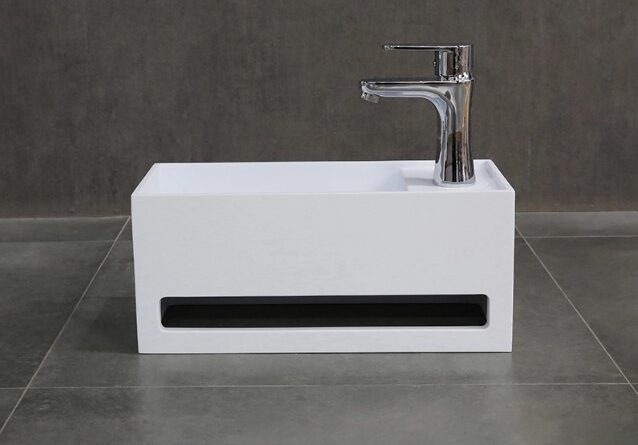
Wall-Hung Vs Countertop Small Bathroom Basin: Which Suits Your Space?
Choosing between a wall-hung and countertop basin affects more than the appearance of a bathroom. Both designs work well in compact spaces, yet they differ in installation, storage, cleaning, and daily convenience. The right option depends on the available floor area, plumbing arrangement, and how the bathroom needs to function.
A well-planned small bathroom basin should provide enough room for comfortable handwashing without making the surrounding area feel crowded. Wall-hung models keep the floor open, whereas countertop designs introduce a defined surface for everyday essentials. Understanding these differences helps homeowners select a basin that fits their layout and practical needs.
Understanding Wall-Hung And Countertop Basin Designs
Before comparing their advantages, it helps to understand how each basin attaches to the bathroom structure.
What Is A Wall-Hung Basin?
A wall-hung basin attaches directly to the wall rather than resting on a vanity or countertop. Its plumbing connections usually sit behind the wall or beneath the basin, depending on the installation design.
Since the basin does not touch the floor, the space underneath remains open. This arrangement creates a lighter appearance and makes it easier to clean the floor around the fixture.
Wall-hung models suit small bathrooms, guest toilets, and powder rooms where every inch matters. However, the wall must support the basin and its expected load. Some installations require reinforced framing or a suitable mounting system before fitting.
What Is A Countertop Basin?
A countertop basin sits on top of a vanity unit or bathroom counter. Its bowl remains visible above the surface, creating a distinct feature within the bathroom.
This design offers more flexibility in terms of vanity materials, finishes, and storage arrangements. Homeowners can pair the basin with drawers or cabinets to keep toiletries, cleaning products, and spare towels within reach.
Countertop models also come in different shapes and depths. Round, oval, square, and rectangular bowls allow homeowners to coordinate the basin with the overall bathroom style.
Space Requirements And Floor Area
The amount of available space often determines which basin design works better. Both options can suit compact bathrooms, although they use the surrounding area differently.
How Wall-Hung Basins Save Space
A wall-hung basin leaves the floor underneath completely accessible. This open area makes a narrow bathroom feel less enclosed because the fixture does not create a solid block beneath the bowl.
It also gives homeowners more freedom when arranging other bathroom elements. A small waste bin, step stool, or other suitable item may fit beneath the basin without obstructing the main walking area.
However, the wall-mounted design still needs enough clearance for comfortable use. A basin that extends too far from the wall may interfere with door movement or reduce the available standing space.
How Countertop Basins Use Space
A countertop basin requires a supporting surface, which usually occupies more visual and physical space. The vanity underneath may reduce the amount of open floor area, particularly in very narrow bathrooms.
However, the countertop can serve more than one purpose. It provides space for soap dispensers, toothbrush holders, and other frequently used items.
A compact vanity with a shallow countertop can make this design suitable for smaller bathrooms. The key is to check the combined depth of the bowl and counter before choosing a model.
Storage And Everyday Convenience
Storage is one of the main differences between these two basin types. A wall-hung model prioritizes open space, whereas a countertop basin often forms part of a storage unit.
Storage Options With Wall-Hung Basins
Most wall-hung basins do not include built-in storage. Homeowners may need to install separate shelves, wall cabinets, or recessed storage to keep bathroom essentials organized.
This arrangement works well for people who prefer a simple wash area with only a few items nearby. It also reduces the temptation to fill the space with unnecessary accessories.
However, limited storage may become inconvenient in a family bathroom where several people share the same facilities.
Storage Benefits Of Countertop Basins
Countertop basins usually pair with vanity cabinets that offer practical storage. Drawers and shelves provide space for personal care products, spare toilet rolls, and cleaning supplies.
This setup helps keep the countertop clear and reduces clutter around the basin. It also makes better use of vertical space beneath the washing area.
For households with limited bathroom storage, a countertop model may provide more everyday convenience than a standalone wall-hung fixture.
Installation And Plumbing Considerations
The installation process can influence the total project cost and the amount of renovation work required.
Installing A Wall-Hung Basin
Wall-hung basins need secure fixing points and a wall structure capable of supporting their weight. Installers must check the wall material before selecting suitable brackets, anchors, or mounting frames.
Plumbing also requires careful planning. Water supply pipes and waste connections should align with the basin outlets. Concealing these connections can create a cleaner appearance, although it may require additional work inside the wall.
Access to concealed plumbing deserves attention during installation. A suitable access panel or maintenance arrangement can make future repairs easier.
Installing A Countertop Basin
Countertop basins need a stable vanity or counter with an opening for the waste outlet and any required plumbing connections. The supporting surface must resist moisture and handle the basin’s weight.
The installer must also check the faucet position. Some countertop models need a wall-mounted faucet or a tall basin mixer because the bowl sits above the counter.
Sealing around the basin helps prevent water from entering the joint between the bowl and countertop. Proper drainage and a well-fitted waste assembly also reduce the risk of leaks.
Cleaning And Maintenance Differences
Bathroom cleaning becomes easier when the basin design does not create difficult-to-reach areas. Both styles have maintenance requirements, although their problem areas differ.
Cleaning Around Wall-Hung Basins
The open space beneath a wall-hung basin makes floor cleaning straightforward. There are no vanity corners or cabinet edges to work around, which helps in bathrooms that need frequent cleaning.
The exposed plumbing and mounting points may collect dust if the installation does not conceal them. Regular wiping around the brackets and pipe connections helps maintain a tidy appearance.
Maintaining Countertop Basins
Countertop basins require attention around the bowl’s base and the joint with the vanity surface. Water, soap residue, and toothpaste may collect in these areas during daily use.
The countertop also needs suitable cleaning products that will not damage its finish. Wooden or laminated vanity surfaces require particular care around joints and exposed edges to prevent moisture damage.
A well-sealed installation and regular drying after use help reduce maintenance problems.
Design And Visual Appearance
The basin contributes to the overall character of a bathroom. Its shape, position, and supporting structure can influence how spacious or coordinated the room feels.
The Minimal Look Of Wall-Hung Basins
Wall-hung models suit bathrooms with a simple and uncluttered design. Their open underside creates a sense of space and allows floor tiles to remain visible across a larger area.
They work particularly well with contemporary interiors, compact powder rooms, and bathrooms that use clean lines. A slim rectangular basin can create a neat appearance without dominating the wall.
The Defined Style Of Countertop Basins
Countertop basins create a more prominent focal point. Their visible bowl can introduce a contrasting shape, color, or material to the vanity area.
For example, a round basin can soften a bathroom with straight-edged cabinets and rectangular tiles. A square or rectangular bowl may suit interiors with a more structured appearance.
The vanity also offers an opportunity to coordinate the basin with storage finishes, mirrors, and lighting.
Water Splashing And User Comfort
A basin should support comfortable handwashing without sending water across the surrounding surfaces. Bowl depth, width, faucet placement, and water pressure all influence its performance.
Wall-hung basins often have compact dimensions, so choosing a bowl with sufficient depth is important. A shallow design may cause splashing when the faucet directs water too close to the drain or onto a steep surface.
Countertop basins vary considerably in height and shape. A tall bowl may require a suitable faucet to prevent water from striking the rim or splashing onto the counter.
Before purchasing either type, check the distance between the faucet outlet and the basin drain. The water stream should land in a practical washing area rather than directly against the bowl’s side.
Which Basin Works Better In Different Bathrooms?
The best option depends on the room’s layout and the needs of its users.
| Bathroom Type | More Suitable Option | Main Reason |
| Very small guest toilet | Wall-hung | Keeps the floor area open |
| Family bathroom | Countertop | Provides useful vanity storage |
| Narrow apartment bathroom | Wall-hung | Reduces visual bulk |
| Bathroom with limited storage | Countertop | Allows drawers and cabinets underneath |
| Minimalist bathroom | Wall-hung | Creates a simple, open appearance |
| Feature-focused bathroom | Countertop | Makes the basin a visual focal point |
These are general recommendations rather than strict rules. A compact countertop basin may work in a small guest toilet, just as a wall-hung model may suit a larger family bathroom with separate storage.
Important Measurements Before Making A Choice
A basin may look suitable in a showroom but feel uncomfortable after installation. Measuring the available space helps prevent problems with movement, door clearance, and plumbing alignment.
Check these details before ordering:
- Available width: Measure the wall or vanity area where the basin will sit.
- Projection: Check how far the bowl extends into the bathroom.
- Installation height: Choose a comfortable height for the main users.
- Bowl depth: Confirm that the basin provides enough room for regular handwashing.
- Faucet clearance: Make sure the tap can deliver water into the bowl without hitting the rim.
- Drainage position: Match the waste outlet with the existing plumbing arrangement.
- Storage clearance: For countertop models, check whether drawers and cabinet doors can open fully.
Also consider the position of nearby fixtures. The basin should not obstruct the toilet, shower entrance, bathroom door, or towel rail.
Making The Right Choice For Your Bathroom
Wall-hung and countertop basins serve different priorities. A wall-hung design works well when open floor space, simple cleaning, and a minimal appearance matter most. A countertop model offers more storage opportunities and gives homeowners greater freedom to create a coordinated vanity area.
The final decision should reflect the bathroom’s dimensions, plumbing conditions, and daily use. During product selection, kingkonree provides another option for comparing basin designs and finding a fixture that meets the project’s practical requirements.
A careful comparison of measurements, installation needs, and maintenance expectations will help ensure the selected basin remains comfortable and functional for years.