
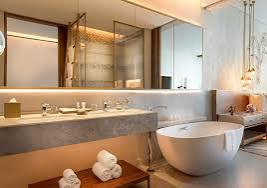
The Role of KingKonree Solid Surface in Contemporary Kitchen and Bathroom Design
Introduction
Contemporary kitchen and bathroom design focuses on creating spaces that are attractive, practical, and easy to maintain. Homeowners, architects, and interior designers increasingly look for materials that combine clean visual details with everyday functionality. Countertops, vanity units, washbasins, backsplashes, and other surface elements play an important role in achieving this balance.
Solid surface materials have become a useful option for modern interiors because of their smooth appearance, design flexibility, and potential for seamless fabrication. Products such as KingKonree Solid Surface can be considered for different kitchen and bathroom applications where coordinated finishes and customized designs are important. Understanding how these materials contribute to contemporary spaces helps designers make informed decisions about their use.
1. Creating a Clean and Minimalist Interior Appearance
Minimalism is an important influence in contemporary kitchen and bathroom design. Rather than relying on excessive decoration, modern interiors often emphasize simple shapes, balanced colors, and uncluttered surfaces.
Solid surface materials support this approach through their consistent appearance and smooth finishes. They can be incorporated into countertops, vanity tops, and other interior features without introducing unnecessary visual complexity.
Seamless Visual Transitions
One of the notable design possibilities of solid surface materials is the ability to create joints that are less visible when professionally fabricated. This can help produce continuous-looking countertops and integrated components.
In kitchens, seamless transitions can make work areas appear more organized. In bathrooms, they can support a clean connection between vanity tops and washbasins.
Coordinated Color Schemes
Solid surface products are available in different colors and patterns, allowing designers to coordinate them with cabinetry, flooring, wall finishes, and fixtures.
Neutral shades such as white, beige, and gray are frequently used in contemporary interiors because they create a calm visual foundation. More distinctive colors can also be introduced to create focal points.
2. Improving the Functionality of Modern Kitchen Countertops
The kitchen is one of the most frequently used areas of a home. Its surfaces must support food preparation, appliance placement, cleaning activities, and everyday household tasks.
Solid surface materials can be used for kitchen countertops where buyers value a smooth appearance and customization options.
Supporting Everyday Food Preparation
A well-designed countertop provides sufficient space for preparing ingredients, arranging cookware, and completing routine kitchen activities.
Solid surface countertops can be fabricated to suit different kitchen layouts, including straight worktops, islands, and customized counter configurations.
However, they are not completely scratch-proof. Cutting boards should be used during food preparation, and sharp objects should not be dragged across the surface.
Integrating Kitchen Sinks
Integrated sinks can create a coordinated appearance between the countertop and washing area. Depending on the material and fabrication method, solid surface can be shaped into designs that reduce visible joints.
This approach can simplify the visual layout of the kitchen and help create a consistent interior style.
Designing Practical Backsplashes
Solid surface materials may also be used for backsplashes behind sinks and work areas. A coordinated backsplash can protect selected wall sections from everyday splashes while maintaining a consistent appearance with the countertop.
Designers should consider wall conditions, installation details, and cleaning requirements when planning these features.
3. Supporting Modern Bathroom Vanity Designs
Bathrooms require materials that can handle regular water exposure, personal care products, soap residue, and frequent cleaning.
Solid surface materials are often considered for vanity tops because many products have non-porous construction and support customized shapes.
Integrated Washbasins
Integrated washbasins are an important feature in many contemporary bathrooms. When the basin and surrounding vanity surface are fabricated as a coordinated unit, the result can have a smooth and streamlined appearance.
This design can also reduce the number of visible joints around the washing area.
Floating Vanity Concepts
Floating vanities are commonly used in modern bathrooms to create a more open appearance. Solid surface vanity tops can complement these designs through their clean edges and adaptable dimensions.
The supporting structure must be designed to carry the weight of the countertop and any integrated components safely.
Double-Sink Bathroom Layouts
Larger bathrooms may include double-sink vanities to accommodate multiple users. Solid surface materials can be considered for these installations because they can be fabricated to suit wider countertop configurations.
Accurate measurements and appropriate support are essential for maintaining stability and ensuring proper installation.
4. Offering Flexibility for Customized Kitchen and Bathroom Features
Contemporary interior design often includes features that differ from standard rectangular countertops and conventional vanity units.
Depending on the product formulation and fabrication capabilities, solid surface materials can be shaped into curved edges, customized corners, integrated basins, and other design elements.
This flexibility is useful when a project requires specific dimensions or distinctive architectural details.
For example, a kitchen island may include rounded edges to create a softer visual effect. A bathroom vanity may incorporate a uniquely shaped basin to complement the overall design concept.
Before finalizing a customized design, buyers should confirm the material’s fabrication limitations, available thicknesses, and recommended installation methods.
5. Combining Solid Surface with Other Interior Materials
Modern kitchens and bathrooms rarely rely on a single material. Designers often combine different textures and finishes to create contrast and visual interest.
Solid surface materials can work alongside several other interior finishes when their colors and proportions are selected carefully.
Solid Surface and Natural Wood
Wood cabinetry and solid surface countertops can create a balanced combination of natural warmth and smooth contemporary finishes.
Light-colored surfaces can complement darker wood cabinets, while warmer solid surface shades can work well with light oak and similar finishes.
Solid Surface and Metal Fixtures
Chrome, brushed nickel, stainless steel, and matte black fixtures are common in contemporary kitchens and bathrooms.
These finishes can create visual contrast against solid surface countertops and vanity tops. The choice should reflect the intended interior style and the maintenance requirements of each material.
Solid Surface and Glass
Glass shower screens, cabinet panels, and decorative elements can help create a lighter appearance in modern bathrooms.
When combined with solid surface vanity tops, these materials can contribute to an interior that feels visually open and organized.
Solid Surface and Ceramic Tiles
Ceramic and porcelain tiles are frequently used for flooring and wall applications. Pairing them with solid surface countertops can help define different functional areas while maintaining a coordinated color palette.
6. Supporting Practical Cleaning and Maintenance
Maintenance is an important consideration when selecting materials for kitchens and bathrooms. Both spaces are exposed to frequent spills, moisture, and cleaning products.
Many solid surface products have non-porous construction, which helps limit liquid absorption. This can make routine cleaning relatively straightforward.
Kitchen Maintenance
Kitchen countertops should be cleaned regularly to remove food residue, grease, and beverage spills. Mild detergent and a soft cloth are generally suitable for routine cleaning, subject to the manufacturer’s instructions.
Hot cookware should be placed on heat-resistant trivets, and abrasive cleaning tools should be avoided unless specifically approved for the surface.
Bathroom Maintenance
Bathroom vanity tops and washbasins should be wiped regularly to remove soap residue, toothpaste, cosmetics, and standing water.
Special attention should be given to the areas around faucets, drains, and joints, where residue can accumulate over time.
Long-Term Surface Care
Minor scratches on some solid surface products may be repairable through suitable refinishing methods. However, the correct approach depends on the material and finish.
Following the manufacturer’s cleaning and repair guidance helps reduce the risk of accidental damage.
7. Enhancing Small Kitchen and Bathroom Spaces
Space planning is especially important in apartments, compact homes, and smaller commercial properties.
The right surface material can help create a visually organized environment without making the room feel crowded.
Compact Kitchen Countertops
In small kitchens, customized countertops can be designed to fit available wall lengths and appliance arrangements. Coordinated surfaces can also help reduce visual clutter.
Light colors may contribute to a brighter appearance, particularly when combined with suitable lighting and reflective finishes.
Space-Efficient Bathroom Vanities
Compact vanity tops can be designed around smaller basins, narrow storage units, and limited wall space.
Solid surface fabrication options may help accommodate unusual dimensions or layouts that are difficult to address with standard products.
Consistent Design Across Connected Areas
Using coordinated surface finishes in kitchens, utility areas, and bathrooms can help establish a consistent interior identity throughout a home.
This approach is particularly useful in apartments and modern residential developments where a unified design language is preferred.
8. The Importance of Color and Finish Selection
Color and surface finish influence how a kitchen or bathroom feels. They also affect how different design elements relate to one another.
Before choosing a solid surface product, designers should consider the room’s lighting, cabinetry, flooring, and fixtures.
Light and Neutral Colors
White, cream, and pale gray surfaces can create a fresh appearance and work well with minimalist interiors. They may also help smaller rooms feel more open.
Dark and Contrasting Shades
Charcoal, deep gray, and other darker colors can add visual depth. They may work particularly well in larger kitchens or bathrooms with sufficient lighting.
Patterned Finishes
Stone-inspired patterns can introduce visual variation without requiring the use of natural stone. These finishes may suit interiors that need a more decorative countertop or vanity surface.
Requesting physical samples is useful because colors can appear different under natural and artificial lighting.
9. Considering Durability and Installation Requirements
A contemporary interior should remain functional after years of regular use. Therefore, material selection must consider more than initial appearance.
Solid surface products have different performance characteristics depending on their composition, thickness, and manufacturing quality.
Buyers should review technical information covering scratch resistance, heat tolerance, stain performance, and cleaning compatibility.
Professional fabrication and installation are equally important. Incorrect measurements, poorly prepared joints, or inadequate support can affect the final appearance and performance of countertops and vanity units.
For kitchens, installers should consider appliance clearances, sink openings, and countertop support. Bathroom installations require careful attention to plumbing connections, water exposure, and vanity structure.
10. Applications Beyond Standard Countertops and Vanities
Although countertops and vanity tops are common applications, solid surface materials can contribute to other parts of contemporary kitchen and bathroom interiors.
Possible applications include:
- Kitchen islands and breakfast counters.
- Bathroom shelving and storage surfaces.
- Decorative wall panels.
- Reception-style counters in residential or hospitality settings.
- Custom washbasin surrounds.
- Selected shower-area components where product specifications permit.
These applications allow designers to create a coordinated interior using related surface materials. However, suitability should always be confirmed for the specific installation environment.
11. Factors to Consider When Selecting Solid Surface Materials
Choosing the right product requires a clear understanding of project requirements and available material options.
Important considerations include:
Intended application: Determine whether the material will be used for a kitchen worktop, bathroom vanity, integrated basin, or decorative feature.
Material specifications: Review composition, thickness, dimensions, and relevant performance information.
Design compatibility: Compare available colors and finishes with cabinetry, tiles, fixtures, and lighting.
Fabrication options: Confirm whether the required curves, edges, sink designs, and dimensions are achievable.
Maintenance requirements: Understand recommended cleaning products, heat precautions, and repair procedures.
Installation quality: Work with experienced fabricators and installers who understand the material’s handling and joining requirements.
Overall cost: Consider material prices alongside fabrication, transportation, installation, and future maintenance expenses.
Conclusion
Solid surface materials play a useful role in contemporary kitchen and bathroom design by combining adaptable fabrication possibilities with smooth finishes and coordinated visual options. They can be used for kitchen countertops, islands, integrated sinks, bathroom vanity tops, and selected decorative features.
Their ability to support customized shapes and relatively seamless designs makes them relevant to both compact residential interiors and larger architectural projects. At the same time, appropriate material selection, professional installation, and regular maintenance are essential for achieving good long-term results.
By considering design preferences alongside practical requirements, homeowners, architects, and interior designers can determine where solid surface materials fit into their projects. The result can be a kitchen or bathroom that balances visual consistency, everyday functionality, and lasting usability.