
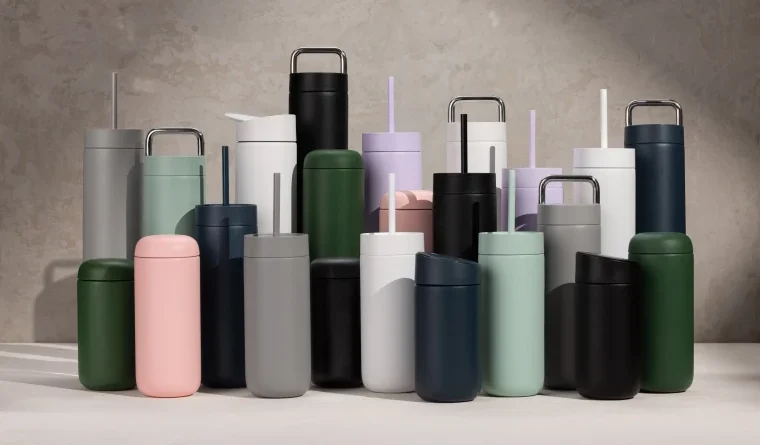
How to Choose the Right Drinkware Manufacturer for Your Business
Choosing the right drinkware manufacturer is an important decision for retailers, wholesalers, distributors, and brands looking to build a successful product range. The quality, design, pricing, and reliability of manufactured drinkware can directly influence customer satisfaction and business performance. A dependable manufacturing partner can also help businesses introduce new products, maintain consistent inventory, and respond to changing market demands.
With many drinkware styles and materials available, finding a manufacturer that understands your requirements takes careful evaluation. Whether you need reusable water bottles, insulated tumblers, travel mugs, or custom-branded products, understanding what to look for can help you make a more informed sourcing decision.
Understand Your Drinkware Product Requirements
Before contacting manufacturers, define the types of drinkware your business intends to offer. Different products require different materials, production processes, and quality standards.
Common drinkware categories include:
- Stainless steel bottles: Durable products suitable for everyday hydration, outdoor activities, and travel.
- Insulated tumblers: Popular options designed to help maintain beverage temperatures.
- Travel mugs: Convenient drinkware for commuters, office workers, and people who enjoy beverages on the go.
- Glass drinkware: Includes drinking glasses and reusable glass cups for home and hospitality use.
- Ceramic mugs: Widely used for coffee, tea, gifting, and promotional purposes.
- Plastic drinkware: Lightweight options available in different shapes, sizes, and designs.
Having a clear product plan makes it easier to identify manufacturers with the appropriate production capabilities.
Evaluate Manufacturing Experience and Capabilities
Manufacturing experience can provide useful insight into a company’s ability to handle different product requirements. Businesses should look beyond a supplier’s product catalog and learn more about its production capabilities.
Consider whether the manufacturer can produce the materials, capacities, shapes, colors, and finishes your business requires. If you plan to develop custom drinkware, ask whether the company supports product design, logo application, mold development, and packaging customization.
It is also useful to understand the manufacturer’s production capacity. A company that can accommodate both initial orders and future increases in demand may be a more suitable long-term partner.
Prioritize Product Quality and Safety
Drinkware is designed for direct contact with beverages, so product quality and material safety should be major considerations. Poor construction, unreliable lids, inconsistent finishes, or unsuitable materials can lead to customer complaints and product returns.
Before placing a large order, ask about the manufacturer’s quality control procedures. These may include inspections of raw materials, production checks, leak testing, and finished-product evaluations.
Depending on the intended market and product type, request relevant material documentation and test reports. Confirm that products meet applicable food-contact and safety requirements in the countries where they will be sold.
Requesting samples is another practical step. It allows you to examine the product’s weight, finish, durability, usability, and overall construction before making a larger purchasing commitment.
Explore Customization Options
Customization can help businesses create distinctive drinkware collections and strengthen brand recognition. Many retailers and promotional product companies look for manufacturers that can offer more than standard designs.
Depending on production capabilities, customization options may include:
- Logo printing and engraving
- Custom colors and surface finishes
- Unique product shapes and capacities
- Customized lids and accessories
- Branded packaging and gift boxes
- Special product designs for promotional campaigns
Before approving customized products, request samples or digital proofs to check the placement, size, and appearance of branding elements. Also clarify whether customization involves additional setup costs, longer production times, or higher minimum order quantities.
Compare Pricing and Minimum Order Quantities
Price is an important factor when choosing a manufacturing partner, but the lowest quotation does not always represent the best overall value. Businesses should evaluate the complete cost of purchasing and receiving their products.
Ask manufacturers for clear quotations that explain unit prices, minimum order quantities, packaging expenses, customization charges, and shipping arrangements. If applicable, also consider import duties and other logistics costs.
Minimum order quantities deserve particular attention. Large orders may offer lower unit costs, but they can create unnecessary inventory pressure if customer demand is uncertain. Smaller initial orders may be more appropriate for businesses testing a new product category.
Comparing quotations from several manufacturers can help you understand market pricing and identify a suitable balance between cost, quality, and production capacity.
Check Production Lead Times and Delivery Reliability
A manufacturer may offer attractive products and competitive prices, but unreliable delivery can disrupt your business operations. Delayed shipments can affect product launches, seasonal promotions, and inventory availability.
Ask about standard production lead times and whether these change during busy manufacturing periods. You should also understand how long customization, sample approval, and packaging preparation may take.
For international orders, clarify shipping methods, estimated transit times, export documentation, and responsibility for customs-related arrangements. Clear communication about delivery expectations helps businesses plan purchasing schedules more effectively.
Assess Communication and Customer Support
Good communication is essential when working with a manufacturer, especially when orders involve custom designs or large quantities.
A reliable manufacturing partner should provide clear answers about product specifications, pricing, production progress, and quality concerns. It should also explain any limitations before an order is confirmed.
Pay attention to how quickly and accurately the company responds to questions. A manufacturer that communicates consistently can make it easier to resolve issues and coordinate future orders.
It is also worth discussing how the company handles defective products, incorrect shipments, and other order-related problems. Having an agreed process in place can reduce misunderstandings later.
Consider Sustainability and Material Choices
Sustainability is becoming an important consideration for many drinkware buyers. Reusable bottles, tumblers, and cups can appeal to consumers seeking alternatives to disposable beverage containers.
Businesses interested in this market should ask manufacturers about material sourcing, product durability, packaging choices, and available environmental documentation.
Stainless steel, glass, and certain reusable plastics may suit different product requirements. However, sustainability claims should be supported by accurate information rather than broad marketing statements.
Choosing durable products and responsible packaging can help businesses respond to customer expectations while maintaining product quality.
Build a Long-Term Manufacturing Relationship
Finding a manufacturer should not be treated as a one-time purchasing decision. A strong business relationship can support more consistent sourcing, smoother communication, and future product development.
Once you have identified a suitable partner, establish clear expectations regarding product specifications, order quantities, quality standards, pricing, and delivery schedules. Keep records of approved samples and product requirements so future orders can be checked against the same standards.
Regularly review product performance and customer feedback. This information can help you identify improvements, introduce new designs, and plan future purchasing decisions.
Conclusion
Choosing the right drinkware manufacturer requires more than comparing product prices. Businesses should evaluate manufacturing capabilities, product quality, customization options, minimum order quantities, delivery reliability, and communication standards.
Taking time to assess these factors can help retailers, wholesalers, and brands find a manufacturing partner that supports their operational needs and long-term growth. With careful research and clear expectations, businesses can build a dependable supply chain and offer drinkware products that meet customer expectations.