
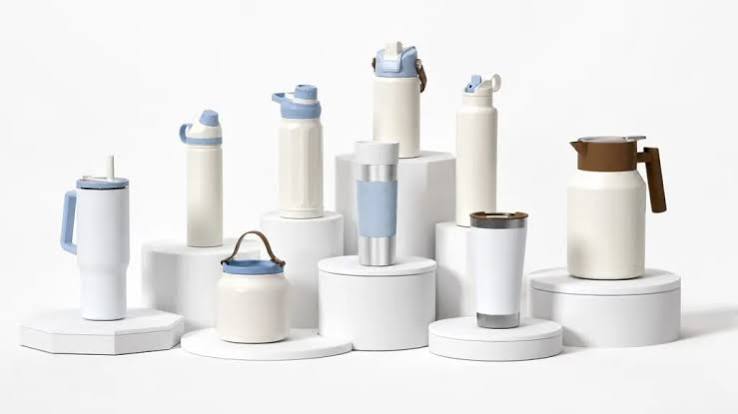
What Makes a Drinkware Manufacturer Suitable for Bulk Orders?
Bulk purchasing is an important part of the drinkware supply chain. Retailers, wholesalers, distributors, promotional merchandise companies, and hospitality businesses often need large quantities of bottles, tumblers, mugs, and reusable cups to meet customer demand. Choosing the right manufacturing partner can directly affect product quality, delivery schedules, inventory planning, and overall purchasing costs.
A suitable manufacturing partner should offer more than competitive pricing. Businesses need to evaluate production capacity, quality control, customization options, material consistency, and communication before placing a large order. Working with an experienced Drinkware Manufacturer can help buyers establish a dependable supply arrangement and reduce potential sourcing problems.
Understanding the qualities that make a manufacturer suitable for bulk orders allows businesses to compare suppliers more effectively and make decisions based on long-term requirements.
1. Sufficient Production Capacity
Production capacity is one of the first factors to evaluate when sourcing drinkware in large quantities. A manufacturer must have the equipment, workforce, facilities, and production planning systems needed to handle the required order volume.
Businesses should determine whether a supplier can produce the requested quantity within the expected timeframe. It is also important to understand whether the manufacturer can manage repeat orders without significantly changing production schedules.
Before confirming an order, buyers should ask about:
- Monthly or annual production capacity
- Available production lines
- Current manufacturing workload
- Minimum order quantities
- Capacity for repeat orders
- Ability to handle seasonal demand
A supplier with adequate production resources is more likely to manage large orders consistently and avoid unnecessary delays.
2. Consistent Product Quality
Quality consistency becomes especially important when purchasing drinkware in bulk. Even if a sample meets expectations, the finished production batch must maintain the same standards.
Differences in dimensions, material thickness, surface finishes, colors, or lid fittings can create problems for businesses selling products under their own brands.
A reliable manufacturer should have documented quality control procedures throughout production. These may include incoming material inspections, in-process checks, and final product evaluations.
Buyers should also request samples and clarify the quality standards that will apply to the complete order. This helps establish clear expectations before manufacturing begins.
3. Experience with Large-Volume Orders
Experience is another important consideration when evaluating a potential supplier. Manufacturers familiar with bulk orders are more likely to understand the challenges involved in production scheduling, material procurement, quality consistency, and shipment preparation.
An experienced supplier should be able to explain how it manages large production runs and handles unexpected manufacturing issues.
Businesses can evaluate experience by asking about previous projects, product categories, production capabilities, and experience serving similar industries.
However, buyers should not rely on experience claims alone. Samples, references where available, and clear production documentation provide more practical evidence of a supplier’s capabilities.
4. Flexible Customization Capabilities
Many bulk buyers require drinkware that reflects their brand identity or meets specific customer preferences. Customization can include logos, colors, packaging, product dimensions, and design features.
A manufacturer suitable for bulk orders should have clear processes for handling customization requests.
Common options include:
- Logo printing and laser engraving
- Custom colors and surface finishes
- Different bottle and tumbler capacities
- Customized lids and accessories
- Branded retail packaging
- Product design modifications
Businesses should confirm which options are available, whether additional tooling is required, and how customization affects minimum order quantities and lead times.
It is also useful to approve a final production sample before authorizing the complete order.
5. Competitive and Transparent Pricing
Price is an important factor in bulk purchasing because small differences in unit costs can have a significant effect on total expenditure.
However, the lowest quotation does not always represent the best value. Buyers should compare pricing alongside product specifications, materials, quality standards, packaging, and delivery arrangements.
A transparent quotation should clarify:
- Unit price and total order value
- Minimum order quantity
- Customization and tooling charges
- Packaging costs
- Sample fees, if applicable
- Shipping and other applicable charges
- Payment terms
Businesses should also ask whether pricing changes with order volume and whether quotations remain valid for a specified period.
Clear cost information makes it easier to calculate margins and avoid unexpected expenses.
6. Reliable Raw Material Sourcing
The quality of finished drinkware depends heavily on the materials used during production. Manufacturers should have dependable sourcing arrangements for stainless steel, glass, plastics, silicone, coatings, and other product components.
Material selection must suit the intended application. For example, stainless steel may be appropriate for reusable insulated bottles, while certain plastics are used for lightweight beverage containers.
Bulk buyers should ask suppliers about material specifications, sourcing consistency, and relevant food-contact compliance documentation.
Reliable material procurement also helps manufacturers maintain consistent production schedules and reduce the risk of shortages.
7. Strong Quality Control Systems
A manufacturer handling large orders should have a structured inspection process rather than relying only on occasional visual checks.
Quality control should cover the stages where defects are most likely to occur. This includes raw material inspection, production monitoring, component assembly, surface finishing, and final packaging.
Depending on the product, inspection procedures may include:
- Dimensional measurements
- Leakage testing
- Lid and seal fitting checks
- Surface finish inspection
- Coating adhesion assessments
- Insulation performance testing
- Packaging inspections
Buyers should discuss inspection criteria before production begins. For large or customized orders, they may also consider arranging an independent pre-shipment inspection.
8. Reasonable Production Lead Times
Production lead time affects inventory availability and the ability to meet customer commitments. A manufacturer may offer competitive prices but still be unsuitable if it cannot deliver within the buyer’s required schedule.
Lead times can depend on order quantity, product complexity, material availability, customization requirements, and factory workload.
Businesses should request a realistic production schedule that identifies important stages, including material preparation, manufacturing, quality inspection, and packing.
It is also useful to clarify how the manufacturer communicates delays and whether urgent orders can be accommodated.
A dependable supplier should provide practical delivery estimates instead of making unrealistic promises.
9. Ability to Support Repeat Orders
Bulk purchasing is often part of an ongoing business relationship rather than a single transaction. Retailers and distributors may need to reorder popular products regularly as inventory changes.
A suitable manufacturer should be capable of maintaining product specifications across multiple production batches.
This requires consistent material sourcing, documented product designs, clear manufacturing instructions, and reliable quality procedures.
Businesses should discuss how repeat orders will be managed and whether approved samples or specifications can be retained for future reference.
Consistency is particularly important for brands that sell the same drinkware products throughout the year.
10. Effective Communication and Customer Support
Clear communication helps prevent misunderstandings during bulk manufacturing. Buyers and suppliers must agree on product specifications, order quantities, customization details, payment terms, inspection requirements, and delivery schedules.
A responsive manufacturer should provide timely updates and explain technical or production issues in understandable terms.
Before placing an order, businesses can evaluate communication by observing how the supplier responds to questions about samples, quotations, specifications, and production capabilities.
Good communication is also important when changes become necessary. A supplier that identifies problems early can help buyers consider alternatives before they affect the entire order.
11. Appropriate Certifications and Compliance Documentation
Drinkware products must meet the applicable requirements of their intended markets. These requirements may cover food-contact materials, chemical safety, labeling, packaging, and product testing.
A suitable manufacturer should be able to provide relevant documentation for the materials and products it supplies.
Depending on the product and destination market, buyers may need to review:
- Food-contact material test reports
- Chemical migration testing
- Material declarations
- Product safety documentation
- Applicable manufacturing certifications
- Traceability records
It is important to verify that documents apply to the specific product, material, and market rather than assuming that one general certificate covers every item.
Checking compliance requirements before production can help prevent customs, regulatory, and distribution problems.
12. Safe and Practical Packaging
Packaging plays an important role in protecting drinkware during storage and transportation. Poor packaging can lead to scratches, dents, broken components, or other damage before products reach their destination.
Bulk orders require packaging that protects individual products while also supporting efficient handling and shipment.
A manufacturer should be able to explain its packaging methods and accommodate reasonable requirements, such as:
- Individual protective wrapping
- Dividers and molded inserts
- Carton labeling
- Customized retail boxes
- Export-ready shipping cartons
- Pallet preparation where required
Buyers should confirm packaging specifications in advance and consider checking packed samples before the full shipment is dispatched.
13. Experience with International Shipping
For businesses importing drinkware, manufacturing capability is only one part of supplier evaluation. The manufacturer must also be able to prepare orders for international transportation.
Export experience can help suppliers understand packing requirements, shipping documentation, and coordination with freight providers.
Buyers should clarify whether the supplier can arrange shipping or whether they must appoint their own logistics company.
Important details include shipment dimensions, carton quantities, estimated dispatch dates, required documents, and agreed shipping terms.
Clear arrangements help reduce confusion and make it easier to plan inventory around expected arrival dates.
14. Ability to Handle Different Product Requirements
Businesses may need several drinkware categories rather than a single product type. For example, a distributor might purchase stainless steel bottles, travel mugs, tumblers, and reusable cups for different customer segments.
A manufacturer with suitable product development and production capabilities may help buyers consolidate sourcing.
However, businesses should verify the supplier’s actual experience with each product category. Not every factory has the equipment or technical expertise to produce every type of drinkware.
Evaluating individual product capabilities helps buyers avoid assuming that broad catalog availability automatically means strong manufacturing expertise.
15. Long-Term Business Reliability
A bulk supplier should be evaluated based on its ability to support a stable business relationship. Reliability includes production performance, quality consistency, transparent pricing, communication, and the ability to address problems responsibly.
Businesses should consider starting with a sample order or a manageable initial quantity before committing to a large ongoing arrangement.
It is also useful to establish written agreements covering specifications, acceptable quality levels, delivery schedules, payment arrangements, and procedures for handling defective products.
These steps create a clearer working relationship and help protect both parties when unexpected issues arise.
Conclusion
Choosing a suitable drinkware manufacturer for bulk orders requires careful evaluation of production capacity, product quality, material sourcing, pricing, customization, lead times, and communication. A supplier must be capable of meeting current order requirements while maintaining consistent standards across future production batches.
Businesses should look beyond unit prices and assess the complete value of the manufacturing relationship. Reviewing samples, checking compliance documents, confirming specifications, and discussing delivery arrangements before production can help reduce sourcing risks.
By selecting a manufacturer with dependable production systems and clear business practices, bulk buyers can build a more stable supply chain, maintain product consistency, and serve their customers more effectively.