
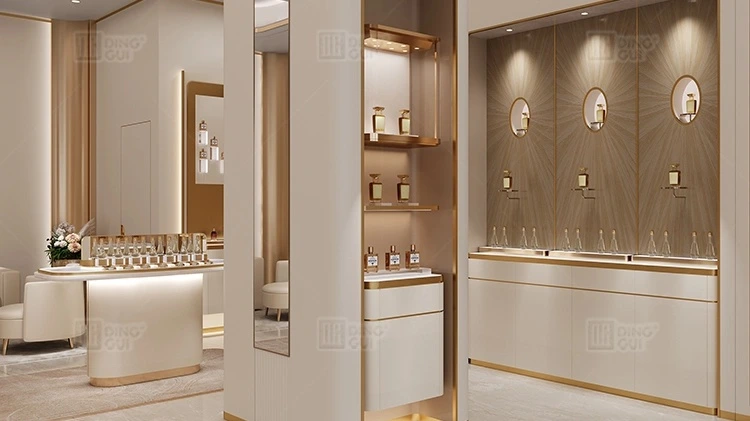
Creating an Organized Layout With Smart Perfume Showcase Design
A well-organized fragrance display makes it easier for customers to browse products and for staff to maintain the retail area. When bottles are arranged without a clear structure, even a spacious showcase can feel crowded and difficult to navigate.
Effective Perfume Showcase Design can bring structure to the display by combining thoughtful shelf placement, product grouping, clear sightlines, and practical storage. The objective is to make every part of the showcase serve a useful purpose while maintaining a clean visual presentation.
Begin With the Available Floor Plan
The layout of the store should determine where the showcase is placed. Measure the available area and identify entrances, walkways, counters, columns, and other fixed features before deciding on the display dimensions.
The showcase should provide enough room for customers to approach and browse without creating unnecessary congestion.
Decide What the Display Needs to Hold
An organized layout begins with understanding the product assortment. Count the approximate number of fragrances and consider their bottle sizes, packaging dimensions, testers, and promotional materials.
This information helps determine the number of shelves and the amount of space required for each product category.
Group Similar Products Together
Product grouping gives customers a predictable way to browse. Fragrances can be arranged by brand, collection, fragrance family, product size, or other relevant categories.
Whichever system is selected should remain consistent across the display so customers can understand the arrangement quickly.
Establish Primary and Secondary Zones
Not every section of the showcase needs equal visual importance. A primary zone can be used for new launches or featured products, while secondary areas can hold the wider collection.
This approach creates a natural visual hierarchy without requiring excessive signage or decoration.
Use Shelf Heights Strategically
Shelf height can influence both visibility and accessibility. Frequently viewed products can be positioned within comfortable eye-level areas, while other products can occupy higher or lower shelves.
Different shelf heights can also create visual variety, provided every product remains easy to identify.
Leave Sufficient Space Between Bottles
Crowded shelves make it difficult to distinguish individual fragrances. Appropriate spacing gives each bottle enough visual separation and makes labels easier to read.
The amount of space should reflect the size and shape of the products rather than applying identical gaps to every item.
Consider Bottle Orientation
Small changes in bottle positioning can make a noticeable difference to the overall presentation. Labels should generally face the customer, while bottles should remain stable and easy for staff to handle.
Consistent orientation creates a more orderly appearance across the shelf.
Create Dedicated Tester Sections
If testers are available, give them a clearly defined location. Keeping testers separate from unopened products reduces confusion and helps preserve the organization of the main display.
The tester area should also provide enough room for customers to sample products comfortably.
Use Vertical Space Efficiently
Tall showcases provide opportunities to use vertical space without expanding the footprint of the display. Multiple shelf levels can accommodate larger collections while keeping the floor area relatively compact.
However, products placed too high may become difficult to see or access, so the upper sections should be used thoughtfully.
Make Use of Concealed Storage
Extra inventory, packaging, and display accessories can quickly make a showcase look untidy if they remain visible. Cabinets and drawers can provide useful storage without affecting the customer-facing arrangement.
Keeping operational supplies nearby can also make restocking more efficient.
Plan for Easy Restocking
Staff should be able to replenish products without disturbing neighboring items. Shelves should provide adequate access, while doors and storage compartments should be positioned for convenient use.
A layout that works for customers but is difficult for employees to maintain will eventually lose its original organization.
Use Lighting to Support the Layout
Lighting can reinforce the visual structure of the display. Consistent shelf illumination can make product groups easier to identify, while accent lighting can draw attention to a featured section.
The placement of lights should also be reviewed for glare, reflections, and shadows.
Keep Labels Visible
A clear layout should help customers identify products quickly. Bottles should not be positioned behind decorative elements, shelf edges, or neighboring products that obscure important information.
Lighting should provide sufficient visibility without creating bright reflections across labels.
Consider Customer Viewing Angles
A showcase may be viewed from several positions depending on where it is installed. Customers should be able to see important product areas as they approach and move alongside the display.
For freestanding units, the design may need to remain visually coherent from multiple sides.
Create Clear Visual Separation
Large collections can become easier to browse when individual groups are visually separated. Small differences in shelf spacing, backdrop treatments, or section dividers can establish boundaries.
These divisions should remain subtle enough to preserve an overall sense of unity.
Avoid Overusing Decorative Elements
Decorative accessories can add character, but too many can interfere with product visibility. The bottles should remain the main focus of the display.
A simple structure with consistent spacing can often communicate organization more effectively than a heavily decorated showcase.
Coordinate the Layout With Store Traffic
Customer behavior should influence display placement. A showcase near a busy entrance may need a more open arrangement, while a display in a quieter consultation area may accommodate more detailed product interaction.
Observe how customers move through the store before finalizing the layout.
Plan for Different Product Sizes
A fragrance collection may include standard bottles, travel sizes, gift sets, and larger presentation boxes. A fixed shelf layout may not accommodate all of these items efficiently.
Adjustable shelving or varied shelf dimensions can provide flexibility as the assortment changes.
Integrate Security Without Disrupting Access
Security features should be part of the layout rather than added after the main structure has been designed. Lockable doors, secure hardware, and controlled staff access can protect merchandise where necessary.
At the same time, products should remain easy for authorized staff to reach when customers request assistance.
Consider the Checkout or Consultation Area
Some fragrance displays work well near areas where customers can receive assistance. Others may be better positioned away from busy counters to provide a quieter browsing environment.
The intended customer interaction should influence both the showcase location and internal arrangement.
Think About Future Merchandising
An organized layout should be capable of changing. Product launches, seasonal campaigns, discontinued fragrances, and packaging updates can all require adjustments.
Modular shelves and flexible display sections can make these changes easier without requiring a complete redesign.
Select Materials That Support the Layout
Glass can provide visibility, while solid panels and structural frames can define sections and support shelving. The combination of materials should help maintain the intended organization.
Finishes should also coordinate with the store interior and be practical to clean.
Work With an Experienced Manufacturer
Creating an efficient showcase layout often involves balancing product capacity, dimensions, lighting, storage, security, and customer access.
DG Display Showcase can be considered when retailers need a customized display that brings these requirements together according to a particular store layout and fragrance assortment.
Layout Planning Checklist
Before approving the final arrangement, retailers can ask:
- Does the showcase fit comfortably within the available space?
- Are products grouped in a logical way?
- Can customers identify individual fragrances easily?
- Are frequently viewed products positioned appropriately?
- Is there enough spacing between bottles?
- Are testers clearly separated?
- Is concealed storage available?
- Can staff restock products efficiently?
- Does the lighting support visibility?
- Are customer pathways unobstructed?
- Can the shelves accommodate different product sizes?
- Can the layout be modified in the future?
Final Thoughts
An organized fragrance display depends on more than the number of shelves available. Product grouping, spacing, viewing height, lighting, storage, customer movement, and future flexibility all influence how effectively a showcase works.
By planning the layout around both customer behavior and daily staff requirements, retailers can create a display that remains orderly, accessible, and adaptable as their fragrance collection evolves.